Babylist Says Baby Registries Can Reflect Parents’ Personal Style
Baby registries are becoming style statements without losing their practical core. Babylist’s guide shows how to make a registry feel personal, giftable, and easy to shop.
Style is now part of the registry brief
Babylist’s latest registry-style guidance treats the baby registry as more than a shopping list. It frames the registry as a place where parents can show personality through design, product choices, and the way they present the page itself. The core idea is simple: a registry can still be useful to gift-givers while also giving a clear sense of who the family is.
That shift matters because registry culture has always balanced two jobs at once. It has to answer the practical question, “What do you need?” and the social question, “What would feel meaningful to give?” Babylist’s answer is that the best registries now do both, using visual details and product selection to make the whole experience feel more considered.
The registry page itself can set the tone
Babylist points out that users can customize their registry page with different banner designs, which turns the first impression into part of the story. That matters more than it might seem, because the page is often the first signal guests get about the family’s style before they ever get to the product list. A banner can make a registry feel soft, playful, modern, earthy, or minimalist before a single item is opened.
From there, the personal tone can extend into the registry mix itself. Babylist’s framing makes room for a familiar split: the biggest gear items are usually chosen for safety and compatibility, while the smaller items are where style can come through most clearly. That keeps the registry grounded in real newborn needs while still leaving space for taste.
Keep the essentials practical, then let the personality show
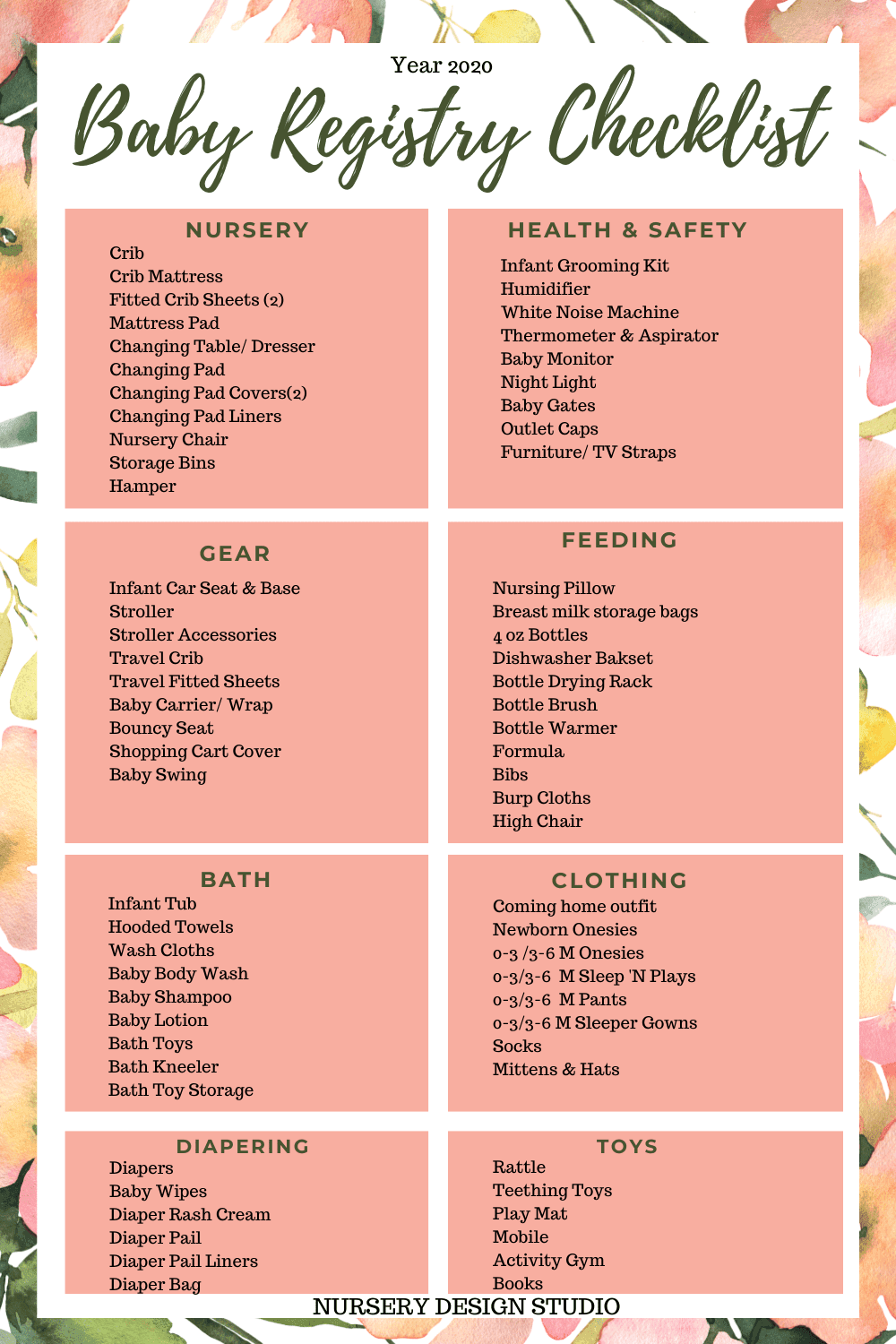
Car seats and strollers are rarely where self-expression matters most. Those purchases are usually driven by safety standards, product fit, and whether an item works with the family’s lifestyle. That is exactly why the smaller categories carry so much weight: clothing, books, toys, and decorative essentials can say something about the parents without making the registry feel precious or hard to shop.
A useful registry gives guests confidence. The more a list is tied to actual daily needs, the easier it is for people to buy with purpose, especially when they are shopping across different budgets. The point is not to turn a registry into a design exercise for its own sake. It is to let the practical items do their job while the softer choices carry the family’s aesthetic.
A simple way to approach that balance is to think in layers:
- Reserve the biggest purchases for function, fit, and safety.
- Use smaller categories to introduce color, theme, and texture.
- Choose a few decorative pieces that support the nursery look without crowding out necessities.
- Let books, toys, and clothing echo the family’s interests so the registry feels lived-in, not generic.
Personal passions translate especially well in the small details
Babylist’s examples make the strategy feel less abstract. Plant lovers can lean into greenery, botanical prints, and naturally styled nursery accents. Sports fans can nod to team colors, athletic themes, or gear that reflects a favorite pastime without overpowering the baby’s basics. The larger lesson is that hobbies do not have to disappear when a registry becomes practical.

That idea works because the most personal registries are not the ones that chase novelty. They are the ones that make small, recognizable choices feel intentional. A book set, a toy, a swaddle, or a piece of nursery decor can all carry the same visual language as the parents’ home, wardrobe, or interests, which gives guests a clearer sense of what will fit into family life.
Why personalization helps the whole baby-shower ecosystem
The broader value of a personal registry is that it functions as a communication tool. When a registry clearly reflects the family’s tastes, gift-givers are less likely to wander off-list, and the shopping experience becomes easier to navigate. That has obvious benefits for hosts, who get a shower that feels more cohesive because the registry, theme, and décor can all reinforce the same identity.
It also creates a business opportunity for retailers and registry platforms. More personalization means more demand for customization, visual merchandising, and brand storytelling. In other words, the registry is no longer just a utility layer in the baby market. It is part of how brands help parents define the mood of the whole celebration.
Other registries are pushing the same idea in different ways
Amazon, BabyCenter, The Bump, Etsy, What to Expect, and Nordstrom all point to the same market direction: registries are becoming easier to personalize and easier to share. Amazon lets registrants add a guest greeting, tag most-wanted gifts, add a diaper fund, and use group gifting for higher-priced items. It also says baby registries become searchable one to six hours after they are created, which makes sharing feel social and immediate.
Amazon’s incentives show how much registry behavior is tied to broader shopping habits. Prime members can qualify for a free Welcome Box after adding 10 unique items and receiving more than $10 in registry purchases, and can receive a 15% completion discount when the registry has been active for at least 14 days. Its group gifting system also lets friends and family contribute any amount toward pricier items or the diaper fund, and diaper fund contributions are redeemed as Amazon gift card balance. That makes the registry useful not only as a wish list, but as a practical payment pathway for bigger-ticket needs.
BabyCenter leans into a different version of the same promise, describing its registry as offering personalized product recommendations and a custom checklist. That “just the essentials, no clutter” approach speaks to parents who want curation without excess. The Bump takes a recommendation-led route as well, saying its registry draws from real parents, experts, editors, and influencers, which gives the list a social proof layer that feels especially useful to first-time shoppers.
Etsy’s baby registry sits at the opposite end of the mass-market spectrum and uses that difference as its selling point. It markets around custom items and personalized baby gift ideas, and its baby gift guidance emphasizes that personalized items can be both meaningful and practical. That combination is exactly what makes personalization work in registry culture: it is decorative enough to feel special, but functional enough to be worth giving.
Nordstrom shows the style side of the equation in a more retail-driven way. Its baby-shower gift pages mix classic essentials with polished, fashion-conscious products, including blankets, clothing, plush toys, and branded gear. What to Expect’s Registry Builder adds one more example of how this category keeps evolving, giving parents another centralized place to organize the details of baby planning.
The pattern across all of these platforms is hard to miss. Modern registries are being built to feel curated, personal, and easy to decode. The strongest ones do not choose between self-expression and usefulness. They make those two things work together, which is exactly what makes them easier for guests and more satisfying for parents.
This article was produced by Prism’s automated news system from verified source data, official records, and press releases, then run through automated quality and moderation checks before publishing. The system is built and supervised by the people who set the standards it runs under. Read our full AI policy.
Did this article answer your question?