Babylist turns registry shopping into an in-person guided experience
Babylist is turning registry shopping into a guided showroom visit, mixing app-based lists with hands-on testing, expert help, and a real-world retail outing.
Registry shopping gets a physical form
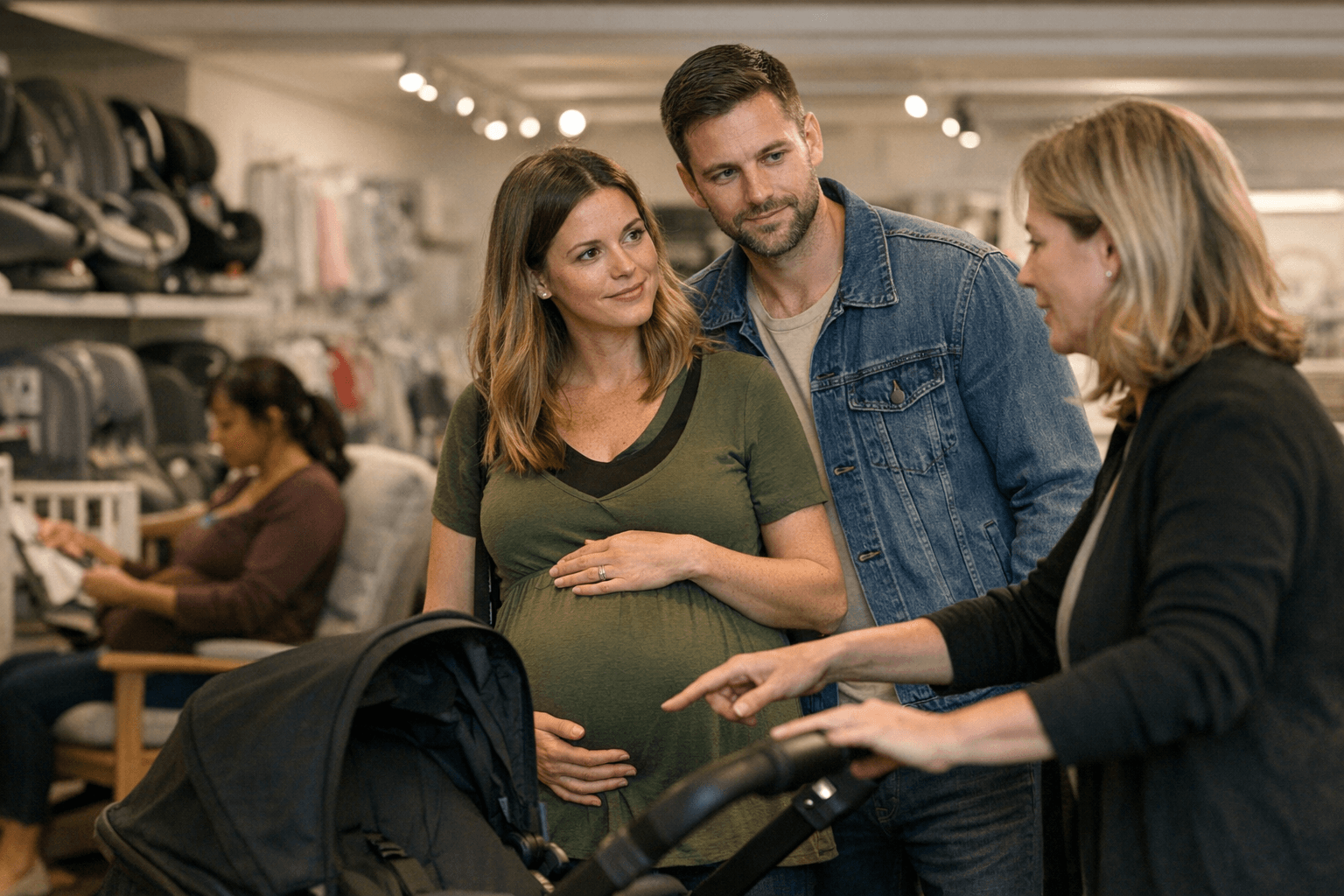
Babylist is making a clear bet that expectant parents want more than a scrolling checklist. Its April Registry Weekend, set for April 25 to 26 at The Babylist Showroom in Beverly Hills, is built around demos, expert tips, snacks, and the chance to try products before committing, which is exactly the kind of hands-on reassurance a big baby purchase demands.
That matters because registry shopping has always been a high-stakes exercise in guesswork. Parents may know they need a stroller, a bassinet, or a bottle system, but a static online list does not tell them how heavy the stroller feels, how the bassinet folds, or whether the bottle actually works for their routine. Babylist is answering that problem by turning registry building into a guided in-person session instead of a solo digital task.
What the weekend is trying to solve
The event is designed to reduce the friction that comes with too many nearly identical choices. Babylist’s own messaging leans into the idea that the showroom is a place to explore products and build a registry, not just browse merchandise, and the setup points to a broader shift in baby retail: shoppers want confidence, not just convenience.
That is why the format is so practical. Attendees are encouraged to download the Babylist app before they arrive so they can add items in real time. In other words, the trip is not replacing digital tools, it is giving them a physical setting where decisions can happen faster and with more certainty. The event is part shopping trip, part planning session, and part social outing, which is exactly why it feels different from a typical registry appointment.
Babylist also notes that it may capture photo and video content for promotional use. That detail says a lot about where registry retail is headed: these events are not just utility-driven, they are designed as branded experiences that can be shared, documented, and extended beyond the showroom floor.
The showroom is the point
Babylist has been building toward this for years. The company says its Beverly Hills Showroom is free to visit and meant as a hands-on experience, and its Help Center is even more explicit, describing the space as “more of a hands-on experience to explore products and build your registry” rather than a retail store. Babylist also offers one-on-one registry appointments with Registry Specialists, which include a one-hour guided tour.
That guided approach is a big part of the appeal. A registry specialist can cut through the noise, explain the differences between overlapping products, and help a parent make sense of what is actually worth buying. In a category packed with pricey gear and strong opinions, that kind of human guidance is not a luxury. It is the product.
The flagship showroom opened on Aug. 18, 2023, and Babylist later described it as an 18,000-square-foot space. The company says the showroom features more than 200 vetted brands, which gives the experience enough breadth to be useful rather than promotional fluff. A space that size can function like a lab for parents who want to touch, test, compare, and then decide.
Why the app and the showroom work together
Babylist is not trying to choose between digital and physical retail. It is blending them. The interactive registry checklist includes 70-plus essentials and tracks progress as items are added from any store, which keeps the universal-registry model intact even as the shopping experience becomes more tactile.
That matters because Babylist’s registry quiz frames the whole philosophy in plain English: “Let’s figure out what you really need, not what stores want to sell you.” That line is doing a lot of work. It captures the company’s pitch to parents who are tired of being pushed toward bundles and defaults, and it explains why the showroom experience feels more consultative than transactional.
The company’s registry advice content reinforces the same idea. Babylist talks about making registries easy to shop, sharing a personalized QR code, and adding practical support such as non-material gifts. The show floor, the app, and the advice content all point in the same direction: registry building is becoming a service, not a list.
The retail ecosystem is already responding
The showroom is also becoming a platform for brand partnerships. In February 2025, Momcozy announced the opening of its first pop-up shop inside Babylist Beverly Hills, debuting during Babylist’s Registry Weekend. That kind of activation shows how manufacturers see value in placing products inside a setting where shoppers can compare them in person.
Dorel Juvenile USA partnered with Babylist in 2023 to showcase products in the flagship showroom, another sign that Babylist’s space is useful as a test drive for gear. For brands selling strollers, car seats, nursery items, and feeding gear, the ability to let parents handle the product before buying is still persuasive. It gives the category a tactile credibility that online listings struggle to match.
Babylist says the showroom experience also helps people think about nursery aesthetics and product fit in a more concrete way, and local tourism materials describe the space as a place to test strollers and engage with products in a 3D virtual home through a metaverse activation. That mix of practical testing and polished presentation is exactly why the model has attention beyond the baby aisle.
A bigger business is taking shape
The experiential push is not happening in a vacuum. Babylist says it is a generational brand leading the $88 billion baby product industry, and CNBC cited founder and CEO Natalie Gordon as having presided over Babylist’s profitable growth into a half-billion-dollar annual registry business. That is a serious scale, and it helps explain why the company is investing in physical spaces instead of treating them like side projects.
Babylist is also expanding the showroom concept. Retail TouchPoints reported that the company planned a second showroom in New York City’s SoHo neighborhood after roughly three years of operating in Beverly Hills, and PR Newswire said the New York showroom is expected in late summer 2026. That expansion signals that the company sees this as a repeatable retail model, not a one-off flagship.
The pattern is easy to read: Babylist is using physical space to deepen a digital business, not replace it. If the Beverly Hills showroom works as a proof point, the next phase is bigger, broader, and more geographic. The move into New York suggests the company believes parents want the same guided experience in more than one market.
The company’s original frustration still drives the playbook
Babylist’s current strategy still traces back to Natalie Gordon’s original frustration with overwhelming baby aisles and the desire for a universal registry. Company materials and interview coverage say that idea took shape in 2010 or 2011, when Gordon wanted a way to combine items from multiple retailers and even include non-material support like diaper services or dog-walking.
That origin story explains why the showroom feels like a natural extension rather than a pivot. Babylist started by trying to make registry shopping less confusing. The guided showroom, the specialist appointments, the app-based list building, and the brand partnerships all push that mission further by giving parents a place to test products, get help, and leave with a plan they trust.
In a category where the wrong purchase can be expensive and annoying fast, that is the real draw. Babylist is not just showing off baby gear. It is making registry shopping feel like a decision-making service, and that may be the model that reshapes the category next.
This article was produced by Prism’s automated news system from verified source data, official records, and press releases, then run through automated quality and moderation checks before publishing. The system is built and supervised by the people who set the standards it runs under. Read our full AI policy.
Did this article answer your question?