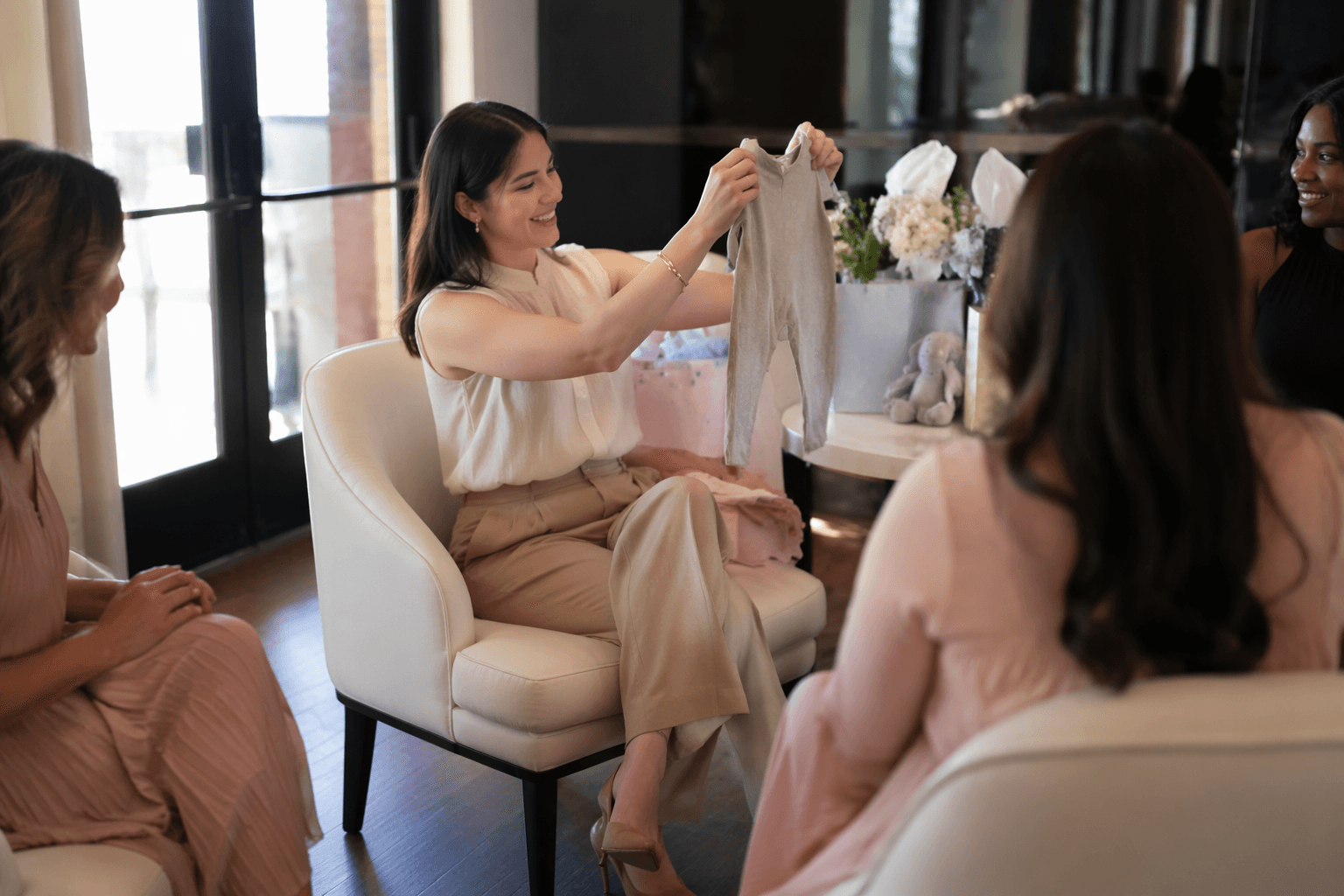
Gentle Nursery guide helps parents build safer baby registries
Gentle Nursery's checklist trims baby shopping to what matters: safer sleep, fewer duplicates, and registry choices based on real standards, not wellness marketing.
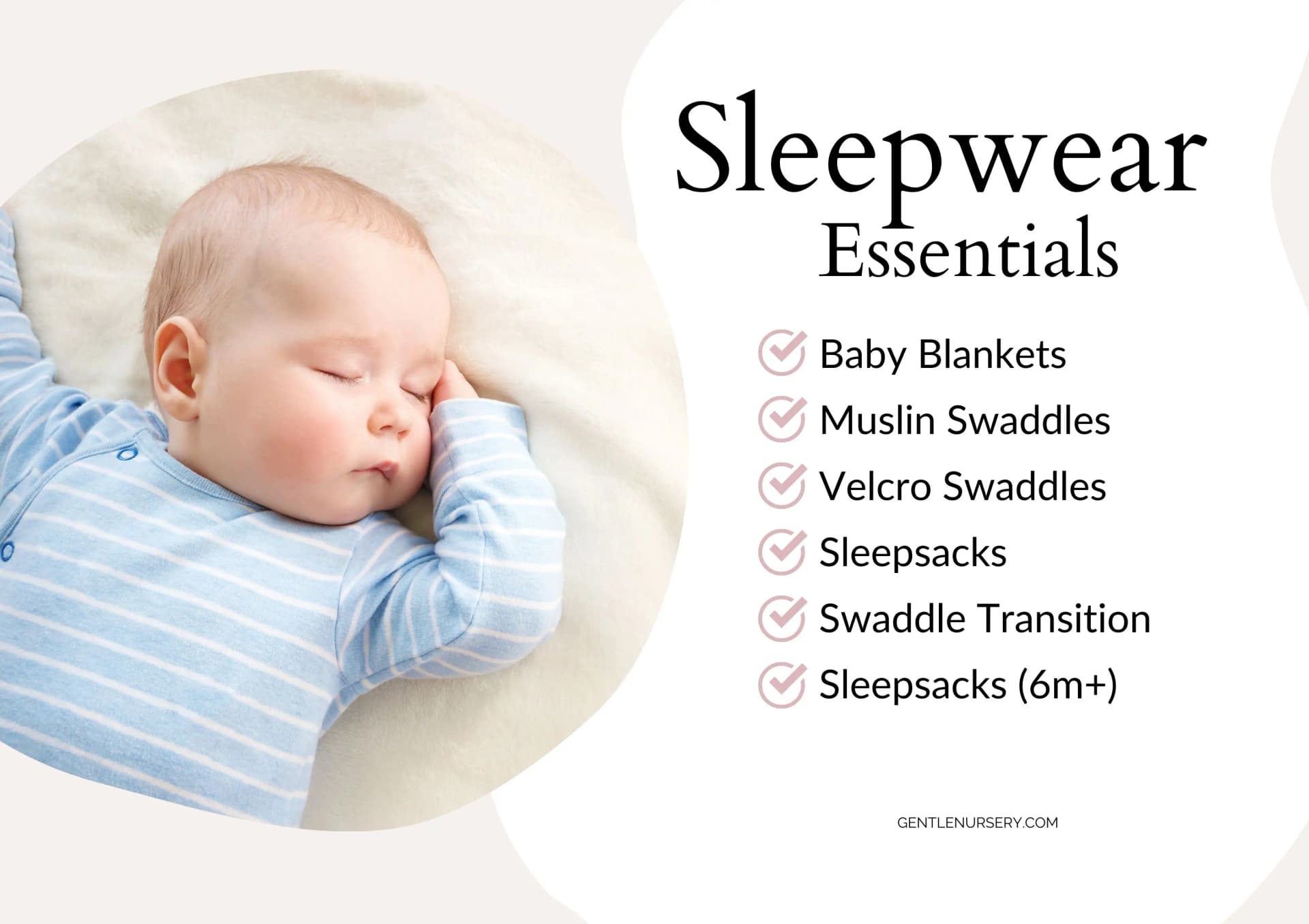
Safer baby registries start with safer sleep
Gentle Nursery’s registry guide answers a problem many new parents recognize immediately: baby shopping can feel more chaotic than joyful. Instead of chasing plastic gadgets, vague wellness claims, or products that only sound cleaner and safer, the guide pushes a simpler standard: choose items that are actually useful, safer, and worth the space they take up.
That approach gives the registry a practical spine. It separates essentials from nice-to-haves, and it adds a planning spreadsheet so the whole process feels less like guesswork. The result is a registry built around calm, intention, and real-world use, not the pressure to buy everything in sight.
The safety baseline is not negotiable
The strongest part of the guide is how closely it tracks established sleep-safety guidance. The U.S. Consumer Product Safety Commission says the nursery should be the safest room in the house, and the American Academy of Pediatrics says a safe sleep environment lowers the risk of all sleep-related infant deaths. The AAP also says those safe sleep recommendations apply to babies up to 1 year old.
That guidance is specific. Babies should sleep on their backs on flat, noninclined surfaces, without soft bedding. The CPSC defines an infant sleep product as one marketed or intended to provide a sleeping accommodation for an infant up to 5 months of age, and it says inclined products with an angle greater than 10 degrees should never be used for infant sleep. In other words, the safest registry choices are not just the softest-looking or most heavily marketed ones, but the ones that meet a clear, conservative safety standard.
What belongs on the list, and what does not
The guide’s non-toxic framing works best when it is stripped of hype. It is not about labeling every product as clean, green, or premium; it is about asking whether an item genuinely supports safe sleep, everyday use, and peace of mind. That is why the checklist is built to keep the focus on essential gear first, while treating extras as optional rather than mandatory.
Some products are exactly the sort of things this approach is meant to weed out. The CPSC and AAP both warn against inclined sleepers, and the AAP says inclined sleepers have been tied to more than 100 deaths. The Safe Sleep for Babies Act bans inclined sleepers in the United States, which makes the message hard to miss: products that once felt modern or convenient can now fall squarely on the wrong side of safety guidance.
The CPSC also says products such as rockers, gliders, soothers, swings, baby nests, docks, and similar items should never be used for infant sleep. That matters because these are often the items that can look appealing in a registry photo or a showroom display. The guide’s value is that it helps parents see past the mood and ask a better question: will this item actually make the nursery safer, or is it simply making the setup look more complete?
A smaller shower calls for a tighter list
Gentle Nursery does not treat every family the same, and that flexibility is one of the guide’s smartest features. A smaller baby shower should focus on essentials, while a larger shower or especially generous gift-givers can support a fuller registry. That keeps the list realistic without turning it into a shopping binge.
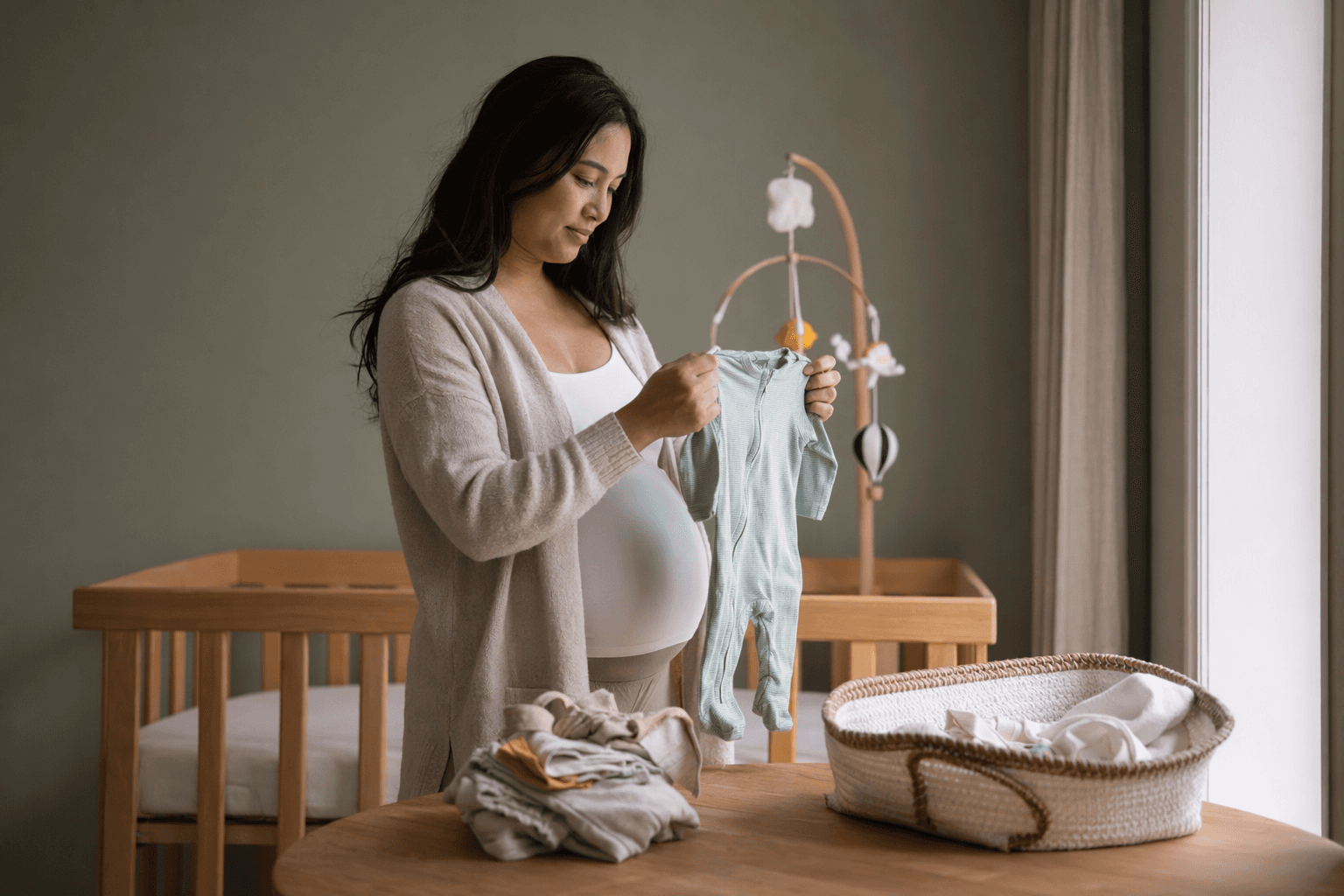
The planning spreadsheet matters here because it makes the tradeoffs visible. Parents can track what is essential, what can wait, and what is only worth adding if someone truly wants to cover a bigger-ticket need. That is a useful shift from impulse to structure, especially for first-time parents who are trying to avoid duplicates and unnecessary clutter.
A practical registry, in this model, is not packed to the brim. It is curated.
- Essentials first, especially anything tied to safe sleep or daily use.
- Nice-to-haves only when the nursery has the room, the budget, or a clear need.
- Fewer duplicates, more intentional purchases, and less pressure to accept every trendy item.
- A registry that reflects the family’s actual situation, not a one-size-fits-all baby-shower template.
Where to register matters too
The guide recommends Amazon first, and the logic is straightforward: convenience, selection, customer service, the welcome box, the completion discount, and fast shipping all make it easy to centralize a registry there. For many families, that is the most efficient backbone for gathering the basics.
But the guide does not stop at one platform. It also encourages pairing Amazon with another registry, such as Babylist, Target, MyRegistry, or Pottery Barn Kids, so guests have options and parents can still add niche or safer products. That hybrid strategy reflects how registry behavior is changing. It is less about stockpiling and more about building a list that fits different gift budgets, different shopping habits, and a more intentional definition of what belongs in a nursery.
Why this trend is sticking
What makes this guide feel timely is that it lines up with a broader shift in baby shopping. Parents are increasingly asking not just what is cute, popular, or heavily promoted, but what is durable, safe, and worth keeping in the home. That is a meaningful move away from acquisition for its own sake and toward values-based curation.
The safety numbers help explain why. The CPSC reported in 2024 that unsafe sleep environments are a leading cause of injuries and deaths involving nursery products, with more than 160 nursery product-related deaths annually. In 2022, the agency said there are almost 100 infant deaths annually in unsafe sleep environments involving nursery products. Against that backdrop, a registry that prioritizes flat sleep surfaces, avoids inclined products, and skips soft, sleep-related extras is not austere. It is aligned with the clearest consumer-safety warnings available.
Gentle Nursery’s real contribution is making that alignment feel manageable. It turns registry building into a system instead of a referendum on taste, and that is exactly what many parents need when the market is crowded with products that promise more than they prove.
This article was produced by Prism’s automated news system from verified source data, official records, and press releases, then run through automated quality and moderation checks before publishing. The system is built and supervised by the people who set the standards it runs under. Read our full AI policy.
Did this article answer your question?