Judge Dismisses Abbott NEC Lawsuit, Citing Causation Gaps in Infant Formula Case
A court dismissed an Abbott NEC lawsuit after plaintiffs failed to prove Similac Special Care caused a preemie's intestinal injury, a legal hurdle not a product safety ruling.
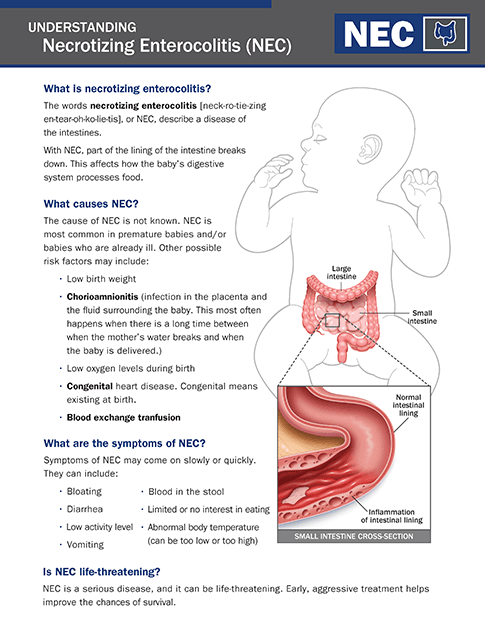
Necrotizing enterocolitis is one of the most feared diagnoses in neonatal medicine. The disease attacks the intestinal lining of premature infants, sometimes within hours, and can result in bowel perforation, sepsis, or death. It is, in nearly every case, a condition of prematurity: the earlier the birth, the higher the risk. That clinical reality is the engine behind years of litigation that produced its latest ruling on March 27, 2026, when a regional court dismissed a product-liability lawsuit against Abbott Laboratories alleging that a premature infant developed NEC after being fed Similac Special Care formula.
The presiding judge concluded that the plaintiffs failed to establish essential causation, finding that their evidence did not show the formula was the proximate cause of the infant's condition given competing medical explanations and the absence of definitive scientific markers connecting the product to the injury under the specific circumstances of that filing. That distinction is the one parents and NICU families most need to understand: the dismissal is a ruling about proof, not about product safety. Courts do not acquit formulas; they evaluate whether the evidence presented in a particular case clears legal thresholds.
Those thresholds have proved formidable throughout the broader litigation. Over 760 NEC-related lawsuits are pending against Abbott and Mead Johnson, maker of Enfamil. The claims are consolidated in MDL-3026, coordinated before U.S. District Judge Rebecca Pallmeyer. Pallmeyer has issued summary judgment in three separate bellwether cases, all ruling in favor of the formula companies. A bellwether involving Enfamil is scheduled for trial in July 2026, with a second wave of Similac trials expected in August. State courts have been more receptive to plaintiffs; a Missouri jury awarded $495 million against Abbott in July 2024, and an Illinois court returned a $60 million verdict against Mead Johnson in March of that year.
Expert testimony has become the decisive axis of the entire litigation. Judges in both federal and state proceedings have applied Daubert standards aggressively, weighing whether causation experts relied on reliable methodology and peer-reviewed science rather than inference drawn from population studies. Research published in The Lancet found NEC to be six to ten times more common among premature infants fed cow-milk formula than those receiving human breast milk, a striking epidemiological signal that has underpinned thousands of filings. But courts have consistently distinguished population-level association from individualized proof of causation, and that gap is where most federal claims have collapsed.

For parents navigating a NICU, none of this resolves the immediate feeding question. Ask the care team whether the hospital offers pasteurized donor human milk and what the specific protocol is for when cow-milk-based formula is introduced for premature infants. Ask what gestational age or clinical criteria trigger a formula reassessment, and whether the hospital's feeding approach aligns with current American Academy of Pediatrics guidance on human milk for preterm infants. Know the warning signs of NEC: abdominal distension or tenderness, bloody stools, temperature instability, and sudden feeding intolerance. Early identification remains the variable with the greatest influence on outcomes, and that conversation belongs with a neonatologist, not a courtroom.
The March 27 dismissal strengthens Abbott's negotiating posture heading into the next round of MDL bellwether proceedings and may prompt plaintiffs' counsel to refine their expert development strategies. It does not resolve the clinical science, quiet the hundreds of remaining claims, or change what a family in a neonatal unit needs to ask about the milk going into a three-pound infant.
Sources:
Know something we missed? Have a correction or additional information?
Submit a Tip