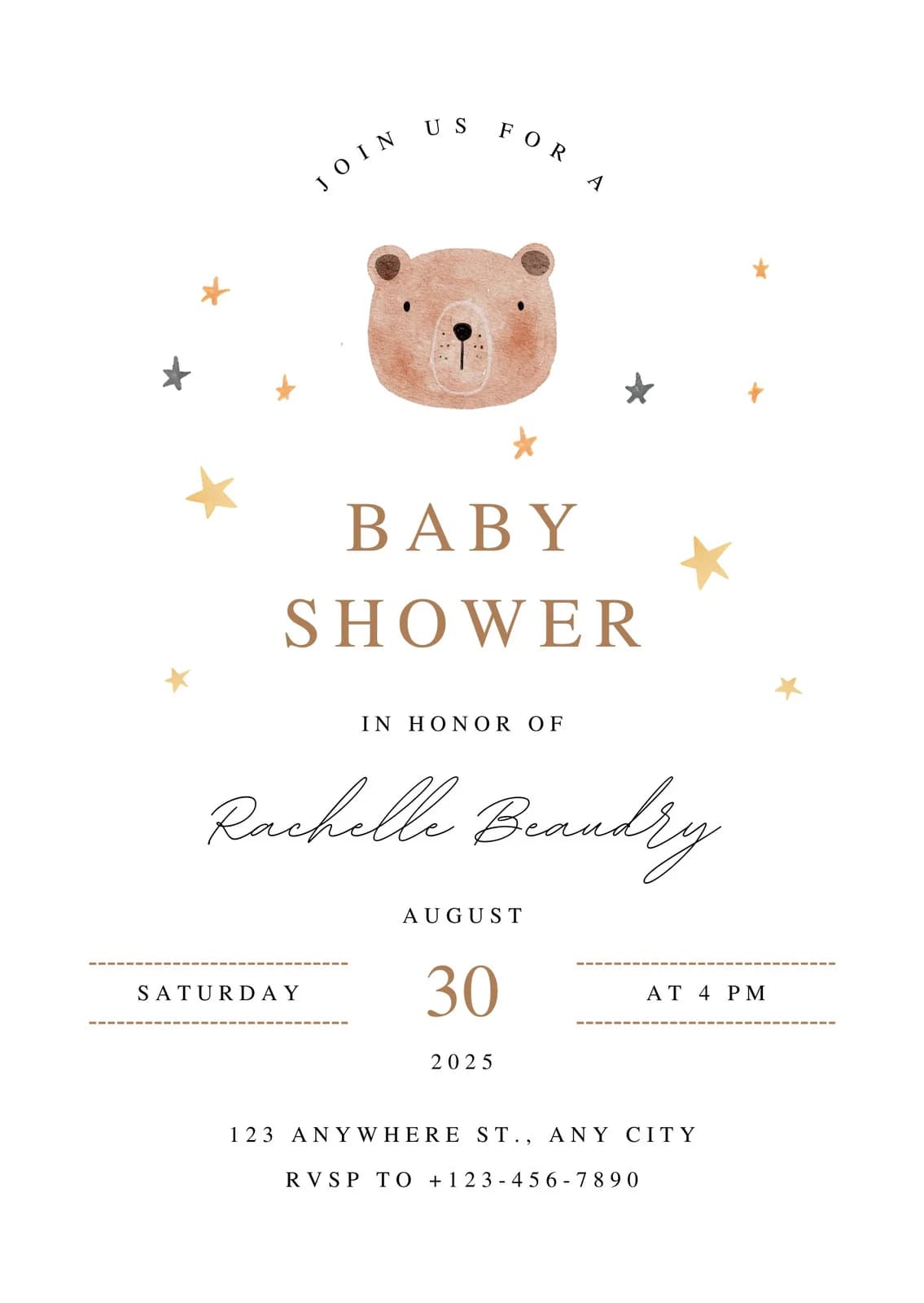
WebBabyShower outlines modern baby shower ideas for 2026
The strongest 2026 baby-shower ideas are the ones that cut friction: coed guest lists, digital invites, practical gifts, and smaller, easier-to-host formats.
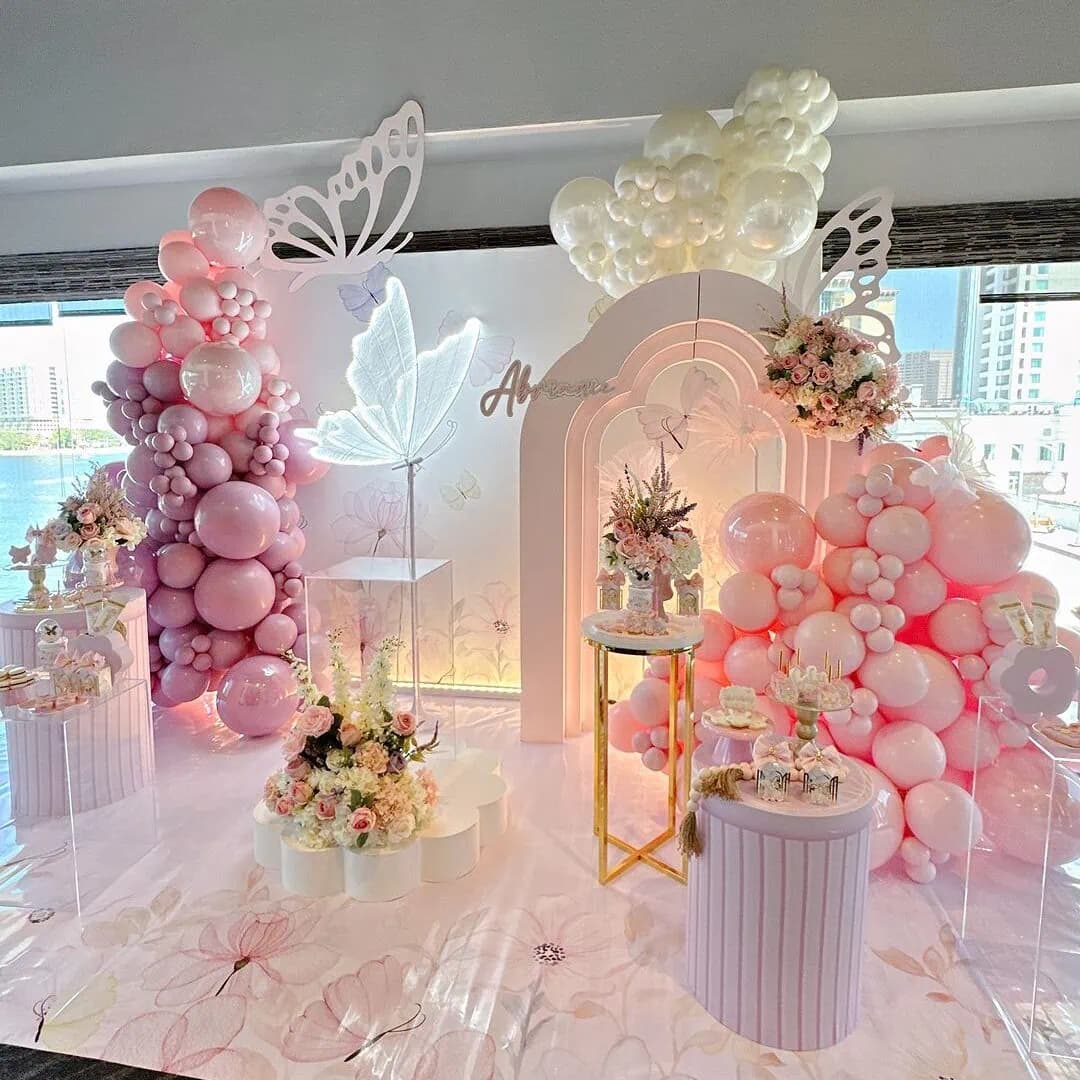
A HomePage News 2024 Occasions Report found that 27% of consumers expected a baby shower among family and friends, and 13% expected to be involved with one themselves. The format is shifting toward smaller, smarter, and easier-to-host events that feel fun and current without demanding a bigger budget, a larger venue, or a pile of one-use décor. The pressure points are familiar: limited space, coed guest lists, and guests who want to give something useful instead of another novelty gift.
What modern baby showers are solving
The clearest shift is that the shower is no longer built around a single traditional script. Coed gatherings are now mainstream, with themes, invitations, and games designed for all guests, not just women. That widens the guest list, makes hosting easier for couples, and fits families who want the day to feel social rather than formal.
Modern styling also leans more neutral and less fussy. A neutral palette can work for a mixed guest list and a mixed-age crowd, while a smaller, more intimate format reduces both cost and setup time. The same is true of activity-driven showers: a few planned games or a shared moment can do more for the mood than a room full of décor that will never be used again.
The ideas that actually remove host pain points
WebBabyShower offers RSVP tracking, unlimited free invitations, built-in games, and instant video chat. They reduce manual follow-up, keep the guest list organized, and make it easier to include relatives or friends who cannot attend in person.
Its “Ready to Go Setup” automatically creates the site and manages the event in a single workflow instead of a string of separate tasks. That fits the current reality of baby-shower planning, where invitations, reminders, guest communication, and gift coordination often need to live in the same place.
- Digital invitations cut printing costs and keep last-minute changes easy to manage.
- RSVP tracking prevents over-ordering food or underestimating seating.
- Built-in games reduce the need to buy extra supplies or hire entertainment.
- Instant video chat makes hybrid attendance possible without complicating the host’s day.
For a practical shower, the highest-value tools are the ones that save time and money:
What is mostly a style rebrand
Some 2026 baby-shower trends are more about appearance than solving a planning problem. Gender-neutral styling, elevated but approachable themes, and invitation-led design all help a shower look current, but they do not automatically make it cheaper or easier to run. They work best when they are paired with practical tools, not used as the entire plan.
The steady stream of 2026-themed invitation and theme pages shows demand for fresh visuals and shareable themes, but the strongest versions still need the same basics underneath: an organized guest list, an easy registry, and a format that does not overwhelm the host.
Gifts are moving toward utility, not clutter
Registry behavior is changing in a way that reinforces the practical turn. A What to Expect survey found that more moms-to-be want cash at their baby shower. That preference makes sense in a market where families often already have a short list of essentials and would rather put funds toward diapers, gear, or other baby costs than collect duplicate décor.
Retailers have also responded by bundling registry perks into the experience. Major stores are offering welcome kits, coupons, and complimentary samples to registrants, which turns the registry into a planning hub rather than a simple wish list. Gift etiquette guidance still commonly lands in the roughly $50 to $100 range for many guests, so a registry that mixes practical items with cash or cash-fund options gives guests a clear place to shop without creating clutter.
A simple planning model that fits the current moment
A modern shower works best when each decision pulls its weight. The cleanest approach is not to pile on every trend, but to choose the parts that reduce stress and skip the rest.
1. Start with the guest list and the space.
If the room is small, keep the event intimate and invite the people who will actually shape the day, not everyone who might be available.
2. Use digital invitations and RSVP tracking from the start.
That keeps the count accurate, which helps with food, seating, and budget.
3. Choose one visual direction, then stop.
A neutral palette or a single well-defined theme is enough to make the event feel intentional without turning it into a production.
4. Build the registry around useful gifts, then add a cash option.
That reflects what many guests already expect and reduces the odds of receiving items that never get used.
5. Add one built-in activity and, if needed, one virtual access point.
Built-in games and instant video chat are enough to keep the shower lively without overcomplicating it.
Why the category keeps changing
The tradition reaches back to older birth rituals before becoming a mainstream American postwar celebration, especially during the baby boom era. The current move toward coed, gender-neutral, and tech-enabled showers follows that same pattern of reinvention.
This article was produced by Prism’s automated news system from verified source data, official records, and press releases, then run through automated quality and moderation checks before publishing. The system is built and supervised by the people who set the standards it runs under. Read our full AI policy.
Did this article answer your question?