Baby showers are younger than you think, Emily Post shaped them
Baby showers are a 20th-century American invention, and Emily Post’s 1922 etiquette book gave the ritual its familiar gift-and-hosting script.

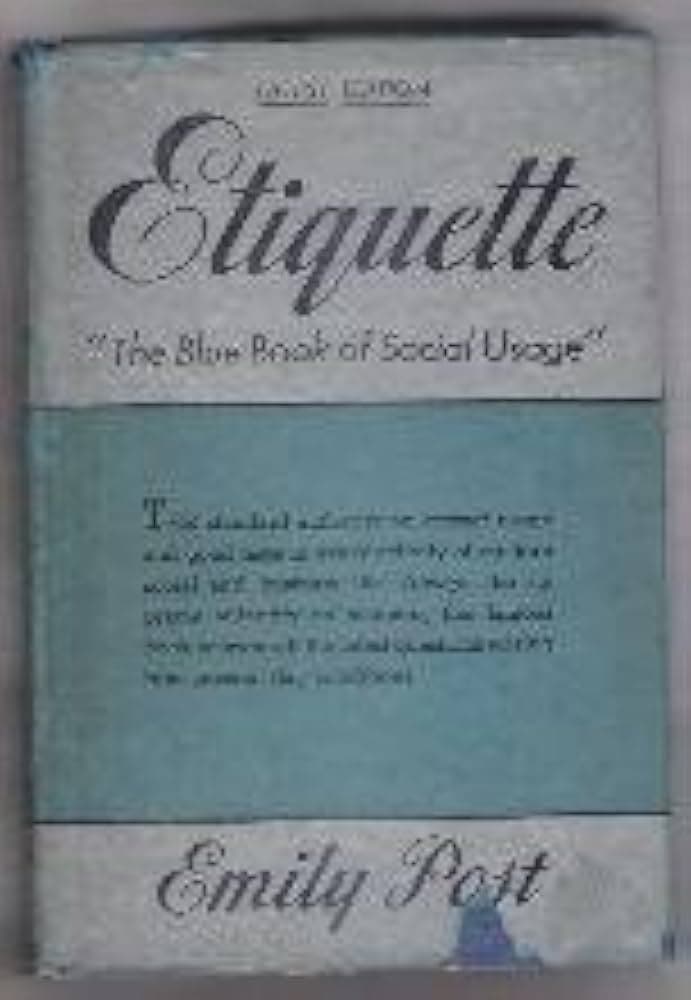
The baby shower feels older than it is. The version most people recognize, with invitations, gifts, and a set script for host and guests, only really takes shape in the 20th century, and Emily Post’s 1922 Etiquette: The Blue Book of Social Usage is the clearest marker of that shift.
Before the shower, there were blessings
Pregnancy and birth have long been marked by ritual, but those earlier customs were not baby showers in the modern sense. Historical overviews point to Ancient Egypt, Ancient Greece, and India, where ceremonies centered on protection, fertility, and safe delivery rather than furnishing a nursery or building a gift pile.
That distinction matters. In those traditions, the point was to help a mother and child move safely through a risky passage, not to stage a middle-class domestic gathering with wrapping paper and registry cards. Even where gifts existed, they were bound up with blessing and survival, not the consumer-friendly format that later became standard in the United States.
Emily Post gave the modern shower a rulebook
Emily Post’s 1922 book changed the game because it turned social behavior into a recognizable template. Etiquette: The Blue Book of Social Usage was published as a standard guide to polite behavior, and Post’s name quickly became synonymous with etiquette across the 20th century. The book became a bestseller, and later editions, including a 1948 72nd edition and a 1960 tenth edition, extended its influence well beyond the Roaring Twenties.
That matters for baby showers because etiquette is where private custom becomes public form. Once Post’s framework was in circulation, the shower started to look like the event many Americans know today: hosted, scheduled, gift-aware, and governed by expectations about invitations, manners, and the proper role of the hostess. The modern shower is not just a spontaneous blessing circle with presents added on; it is a social performance that etiquette helped standardize.
Postwar America turned the shower into a consumer ritual
The postwar era is the next big hinge. It is widely identified as a key period in the rise of consumer culture, and that shift helps explain why baby showers became more closely tied to shopping, household goods, and registries. Once mass consumption and suburban domestic life accelerated, the shower fit neatly into a culture that prized practical acquisition and newly stocked homes.
That is where the baby shower’s gift logic hardened. What had once been a loose gesture of support became a structured exchange where the gifts were expected to be useful, often focused on infant care products and other practical items. SAGE Reference’s social history of the American family describes the shower as a celebration of a pregnant woman and impending birth, hosted by family or friends, and explicitly frames it as a rite of passage into motherhood. That rite of passage was increasingly wrapped in the language of buying well and preparing efficiently.
The event standardized, then kept mutating
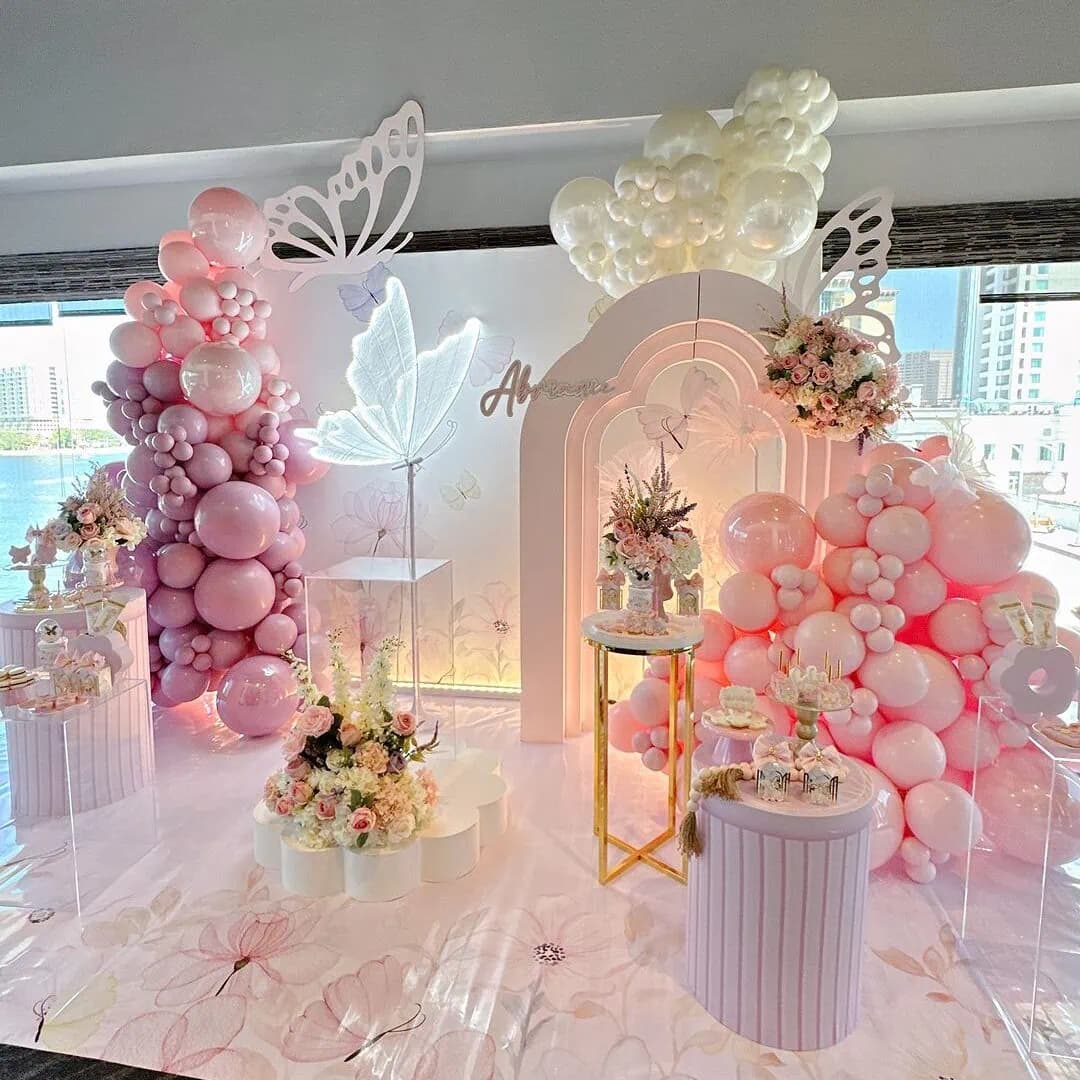
For a long stretch, the classic image was women-only, pastel, and domestic. That version made sense in a culture that treated pregnancy as a private, female-coded household matter, and it matched the older expectation that the shower’s job was to stock the home with essentials. But the event did not stay frozen there, and the modern shower now shows more variation than the old stereotype suggests.
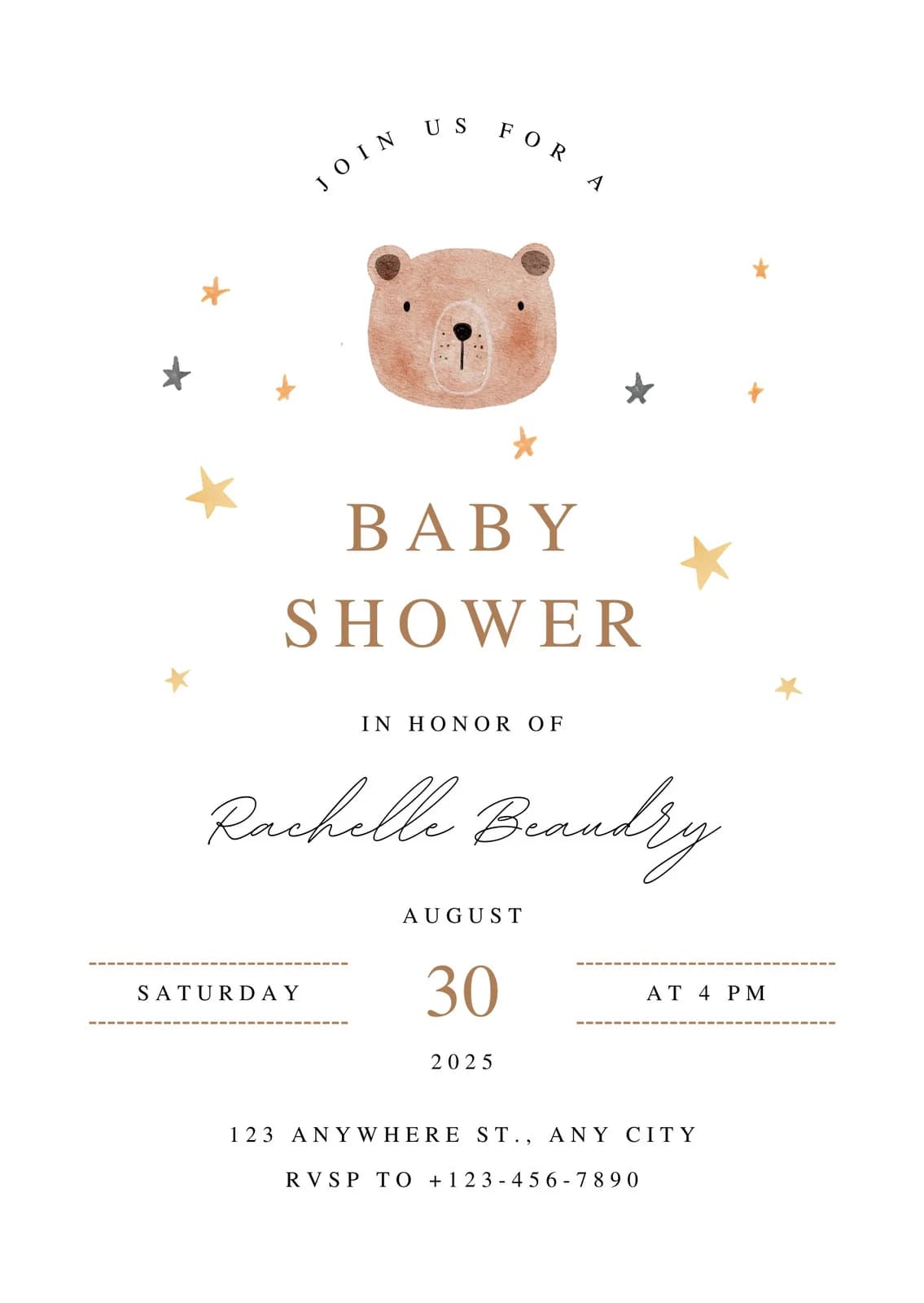
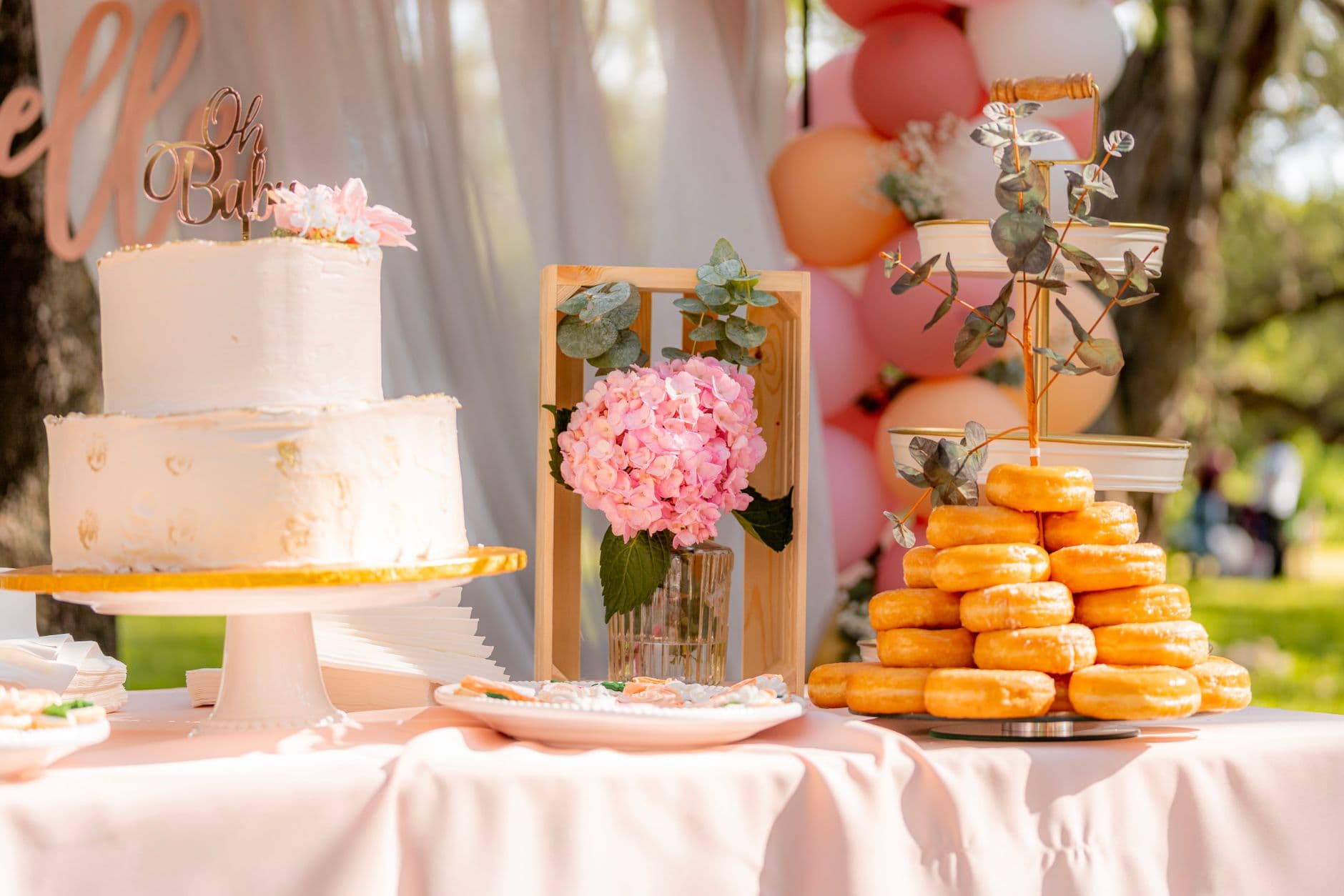
Coed showers, reveal parties, themed decor, digital invitations, and registry-driven gift lists all show how far the tradition has traveled from its etiquette-book roots. The registry is the cleanest example of the change: practical gifts are still central, but today they are often blended with personalized keepsakes, decorative themes, and a more polished guest experience. In other words, the shower has become less about simply supplying diapers and bottles and more about managing taste, presentation, and social inclusion.
Emily Post’s influence never really left
The Emily Post Institute still publishes baby shower etiquette guidance, which tells you how institutionalized the event has become in American social life. Its current advice covers hosting and thank-you notes, and it treats the baby shower as a defined social occasion with gift expectations and rules around who should handle the event. That modern guidance also shows a loosening of the old all-female template, with more flexible hosting and guest-list norms than the classic midcentury version allowed.
That flexibility is the quiet proof that the tradition survived by adapting. The shower has kept the bones that Post helped formalize, but it now stretches to fit contemporary family structures, different hosting setups, and a wider idea of who gets to be included in the welcome. The etiquette still matters because people want the event to feel considerate rather than chaotic, especially when gifts, timing, and family politics are all in play.
Why the shower still works
The baby shower endures because it sits at the intersection of social support and material preparation. It is one of the few rituals that still makes a new baby feel like a community event, not just a private household update, and that is why the format keeps returning even as the details change. The gift table, the guest list, and the advice about hosting all trace back to the same basic idea: a new parent is stepping into a major life change, and the people around them should mark it with care.
What changed over time is not the fact of celebration, but its social meaning. The modern baby shower grew out of 20th-century etiquette and postwar consumer habits, not an ancient universal tradition, and that makes it a revealing little window into family life, class performance, and how motherhood gets publicly staged in American culture.
This article was produced by Prism’s automated news system from verified source data, official records, and press releases, then run through automated quality and moderation checks before publishing. The system is built and supervised by the people who set the standards it runs under. Read our full AI policy.
Did this article answer your question?