Barcelona 2026 guide frames the city as a wellness system
Barcelona’s wellness story is bigger than gyms: bike lanes, markets, superblocks and beach-side fitness shape daily life, while tourism and density test the model.

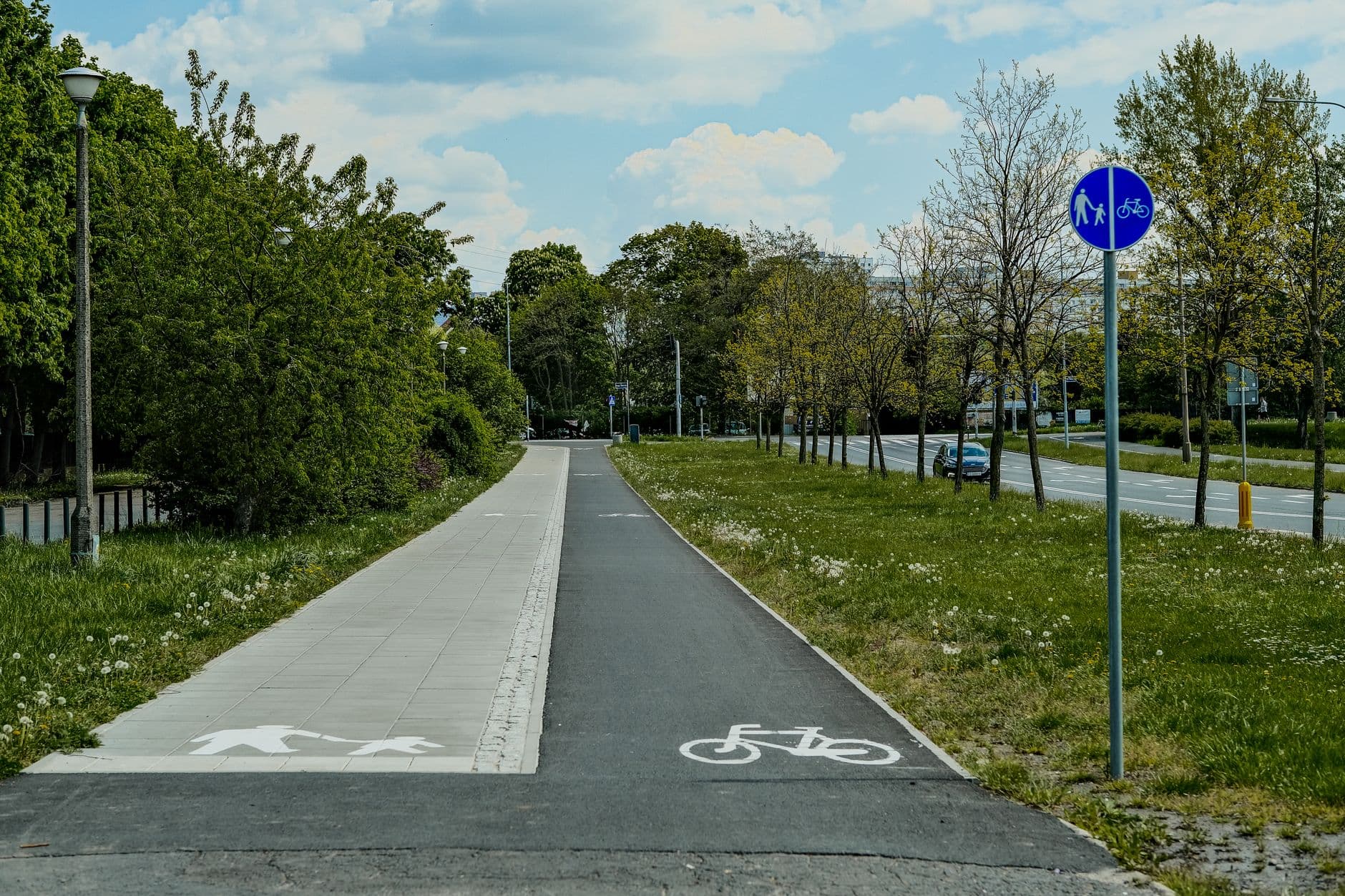
Barcelona’s strongest wellness asset is not a single gym floor or a polished studio district. It is the way the city stitches movement, food, air quality, and public space into ordinary life, making health feel like part of the urban design rather than a separate consumer category. That is why Barcelona’s case matters to operators and residents alike: the city says it already has nearly 2,000 kilometres of cycling routes and 263 kilometres of bike lanes, while its mobility strategy puts pedestrians at the center of a safer, healthier and more sustainable city.
Wellness built into the street grid
The practical value of Barcelona’s model starts with mobility. Barcelona City Council says it wants 95% of residents to have at least one bike lane within 300 metres of home, a goal that turns cycling from an enthusiast habit into a usable daily option. The city’s Urban Mobility Plan 2024 is framed as a roadmap for a Barcelona that is safer, healthier, more equal and more sustainable, and that framing matters because it links commuting, exercise, and public health in one policy package.
For the fitness industry, this is the first clue that Barcelona’s wellness market is not confined to members-only spaces. A resident can rack up activity through bike commuting, walking, and errands long before stepping into a studio or booking personal training. The city’s climate and compact urban form also make outdoor movement easier to sustain than in places where wellness depends almost entirely on paid facilities.
Food culture as health infrastructure
Barcelona’s wellness identity also runs through the pantry. Official tourism material says the city has 39 food markets selling fresh food, with produce brought in daily from nearby farms and fish markets. That is not a lifestyle flourish, it is a distribution system that makes healthy eating part of the city’s normal rhythm. The Mediterranean diet sits at the heart of that story, and UNESCO recognized it as Intangible Cultural Heritage in 2010.
That gives Barcelona’s food culture a different weight than a generic wellness trend. Markets, neighbourhood shopping, and a growing plant-based restaurant scene all help turn nutrition into a lived habit rather than a branding exercise. In practice, that means the city’s health proposition extends from the street market to the dining room, with residents making daily choices inside a food culture that already values freshness, seasonality, and balance.
Superblocks turn public space into a health tool
Barcelona’s superblock programme shows how far the city is willing to push the wellness idea into planning itself. The official programme says it is reclaiming road space from private vehicles to create healthier, greener, fairer and safer public space that supports social relations and the local economy. That is a much broader promise than traffic calming alone, because it treats cleaner streets as a social and economic asset as well as an environmental one.
The health evidence behind the model is persuasive. The World Health Organization says residents and workers in evaluated superblocks reported better well-being, tranquility, sleep, less noise and pollution, and more social interaction. In Sant Antoni, the WHO reported a 25% decrease in NO2 and a 17% decrease in PM10 in the superblock area around the central market. Barcelona’s healthy-urban-design language also says the city needs a 50% reduction in traffic density to create more room for active transport and green space, which shows how ambitious the shift still is.
That matters because the city’s wellness image is strongest where public space works hardest. Superblocks are not decorative urbanism. They are the connective tissue between fitness, mental health, quieter neighbourhoods, and the everyday conditions that make exercise and recovery feel possible instead of aspirational.
Where wellness becomes a business ecosystem
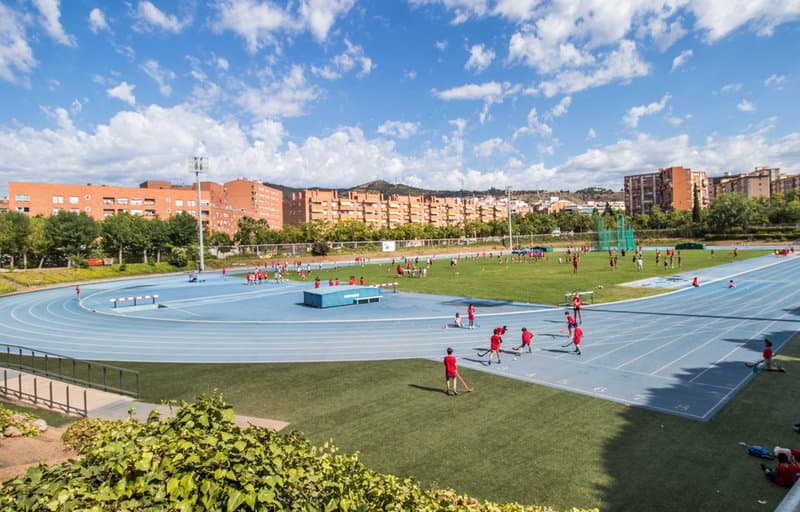
Barcelona’s appeal to the fitness sector goes well beyond membership sales. The city’s wellness market is built around the intersection of training, prevention, food, recovery, and outdoor life, which broadens the customer journey in a way operators elsewhere often miss. A person is not just buying access to equipment. They are moving through bike routes, market halls, pedestrian streets, beach workouts, and public spaces that nudge them toward healthier routines.
That logic is visible in how Barcelona markets itself. Official city tourism pages promote beach yoga experiences, while the fitness and leisure ecosystem includes outdoor gyms, mindfulness retreats, and community programming that make wellness feel embedded in local culture. The Piscina Barcelona trade fair has also pushed the category forward with its Wellness Experience Awards, which in 2025 highlighted innovation, sustainability, accessibility, social impact, and wellness destinations. The event drew more than 10,000 professionals, 100 exhibitors from 30 countries, and a conference programme that underlines just how commercially serious the sector has become.
For founders and investors, the signal is clear: Barcelona rewards businesses that can live at the intersection of urban lifestyle and health. The strongest opportunities are likely to sit where training overlaps with nutrition, where recovery overlaps with outdoor access, and where private services complement a city that already encourages motion.
The gap between the brand and the lived reality
Barcelona’s wellness reputation is convincing, but it is not frictionless. A city of roughly 1.6 million residents, at the core of a metropolitan region that reaches into the several-million range, must serve both daily life and intense visitor demand. Barcelona recorded 16 million visitors in 2025, and 26.1 million across the city and region, which shows the scale of pressure on streets, public spaces, and local routines.
That scale is exactly why the wellness story cannot stop at branding. The city can market health beautifully, but residents still live with the realities of density, traffic, and uneven access to calm space. The real strength of Barcelona’s model is that it tries to answer those pressures with infrastructure, not slogans: bike lanes, markets, pedestrian priority, superblocks, and neighbourhood spaces that make healthier choices easier to repeat.
That is the larger lesson Barcelona offers the wellness industry. The city’s health identity is not built on a handful of premium studios. It is built, and still being tested, by the urban systems that shape how people move, eat, recover, and live together.
This article was produced by Prism’s automated news system from verified source data, official records, and press releases, then run through automated quality and moderation checks before publishing. The system is built and supervised by the people who set the standards it runs under. Read our full AI policy.
Did this article answer your question?