Barcelona Drives Spain’s Fitness Expansion as Investment Shifts Smaller
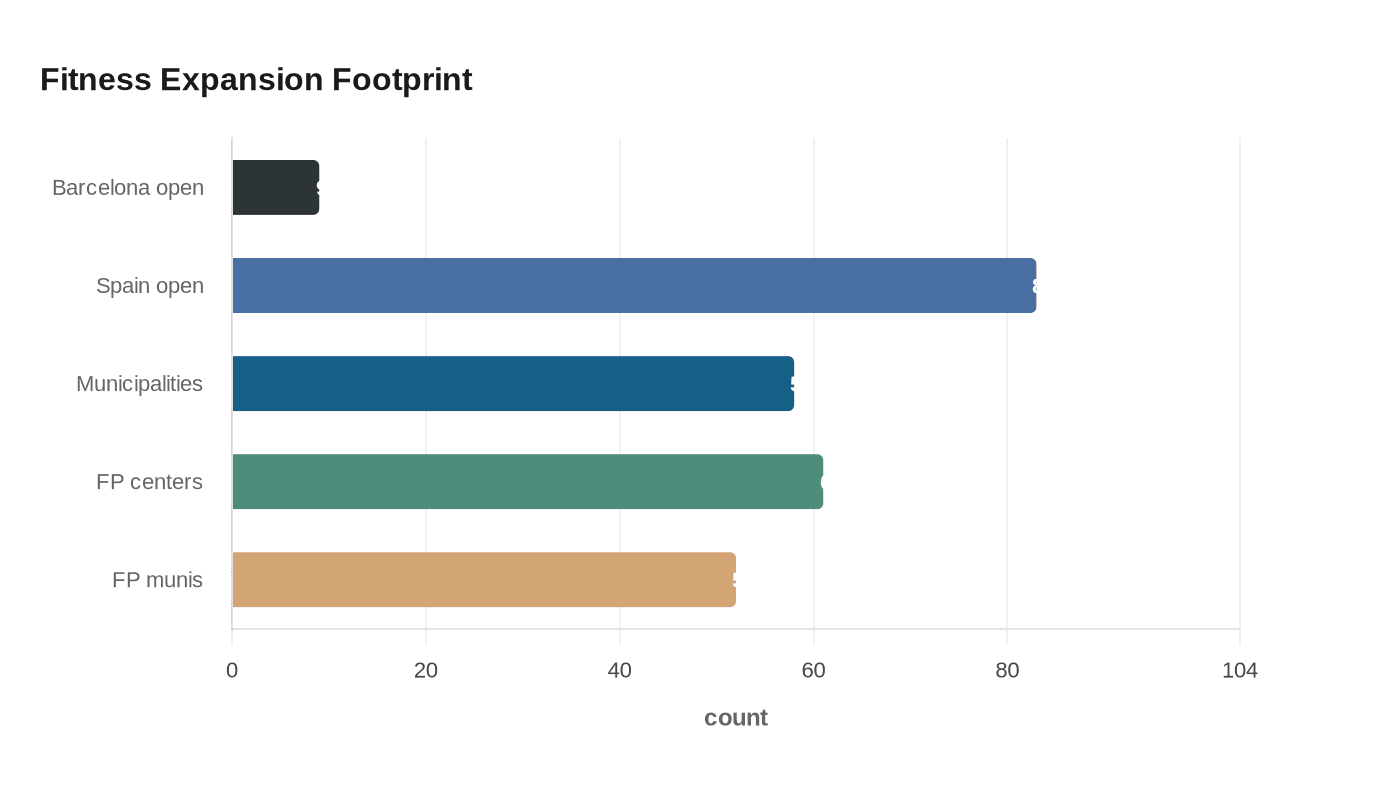
Barcelona grabbed 9 of Spain’s 83 new gym openings, but the real story is a market tilting toward smaller bets as boutique and low-cost formats gain ground.

Barcelona claimed 9 of Spain’s 83 new gym openings in the first quarter, or 10.8% of the national total, but the sharper signal is what those openings say about how operators are investing. Unit growth rose 13.7% from a year earlier, yet combined investment fell 44% to 61.2 million euros as chains leaned into smaller projects and pulled back from large-format builds.
The mix is changing fast. Boutique studios accounted for half of all new openings, low-cost operators for another 25%, while medium-format players absorbed the biggest share of capital even as their contribution to new units softened. In Barcelona, that tilt matters because the city has become a proving ground for price, footprint and service model. A club near Sants, a boutique site near Francesc Macià and a Barcelona-born studio network can all compete in the same urban map, but each is betting on a different customer and a different rent structure.

That is also why Barcelona still sits near the center of Spain’s fitness expansion even as 58 municipalities recorded at least one opening. The city offers density, spending power and visibility, but it is no longer a place where one formula wins easily. Boutique concepts keep proliferating, low-cost operators keep building route density and mid-market clubs have to justify heavier capital spending with a clearer proposition. The more crowded the city becomes, the more every square meter has to earn its place.
The broader sector backdrop helps explain the pressure. Deloitte says Spain now has 5,806 fitness centers and 8.4 million users, and more than half of operators expect M&A activity to increase, with deals concentrated in Madrid, Catalonia and the Valencian Community. That places Barcelona inside a larger consolidation story, not just a local opening race.
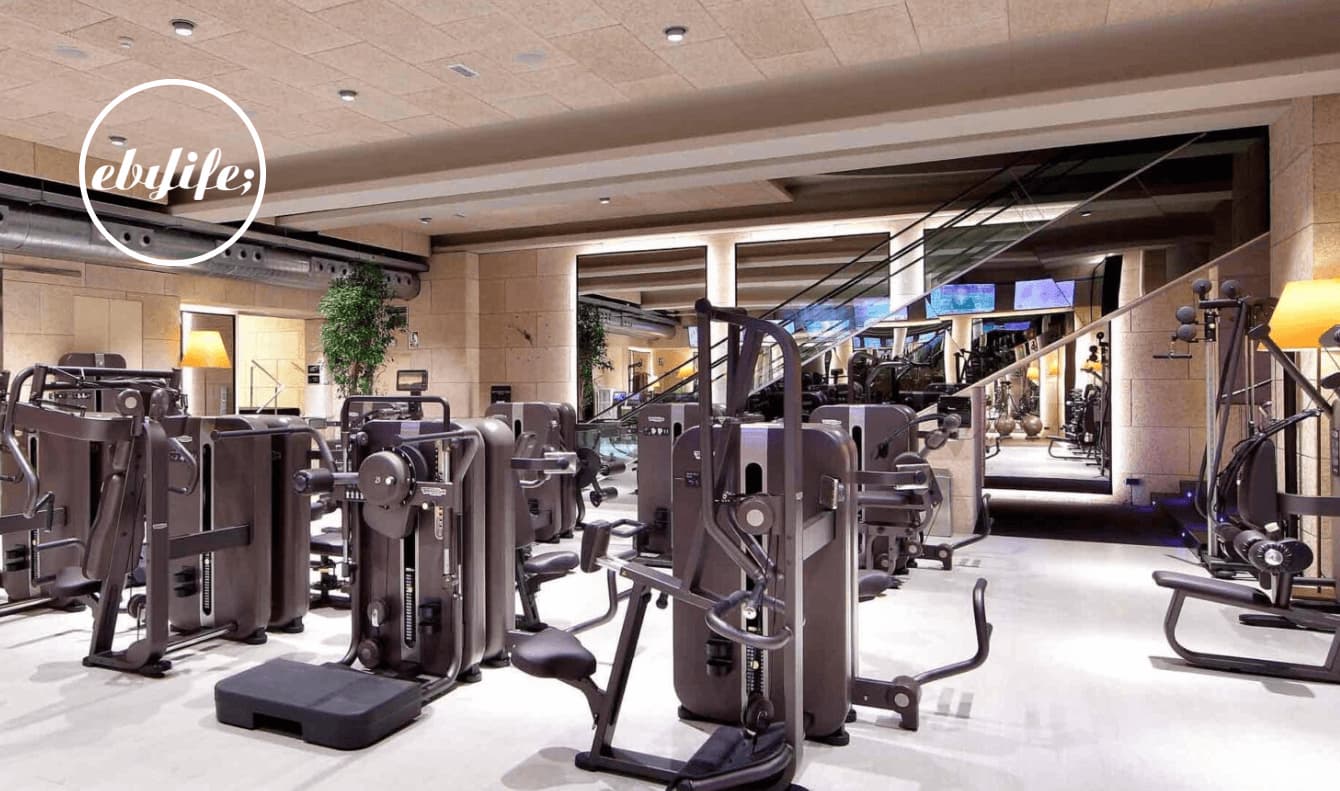
The deal flow is already visible. Planet Fitness said it would open in Barcelona near Sants station in the Estel building, its 11th gym in Spain and second in Catalonia. In March, Mexico’s Commando Studio bought Barcelona-born Lapso Studios, a business founded in 2021 that had more than 50 professionals. Barry’s opened in Barcelona near Francesc Macià in early 2024, O2 Centro Wellness planned a Barcelona relaunch as Boutique Gym Barcelona and FitActive entered Spain with a Barcelona club priced at 19.90 euros a month. Fitness Park, meanwhile, shows how scale is being built beyond one city, with 61 centers across 52 municipalities in 13 autonomous communities.
Barcelona’s municipal sports system ended 2025 with 205,373 subscribers, about 7,000 more than a year earlier. Private chains are reading that demand as real, but not as blank-check demand. The next phase of growth in Barcelona will belong to operators that can pair disciplined real-estate strategy with a format that fits a city already close to saturation.
This article was produced by Prism’s automated news system from verified source data, official records, and press releases, then run through automated quality and moderation checks before publishing. The system is built and supervised by the people who set the standards it runs under. Read our full AI policy.
Did this article answer your question?