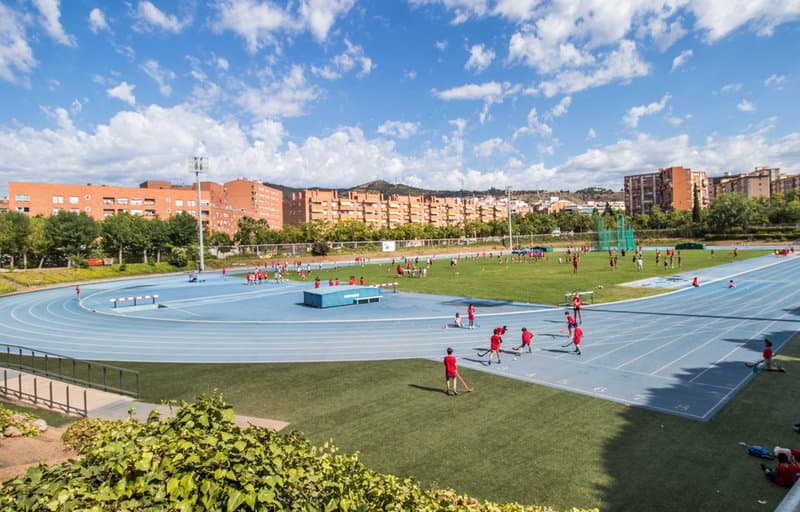
Barcelona joins Spain’s health strategy, linking fitness to public policy
Barcelona has folded fitness into public health policy, and the big test is whether that changes gyms, parks and neighborhood exercise access.
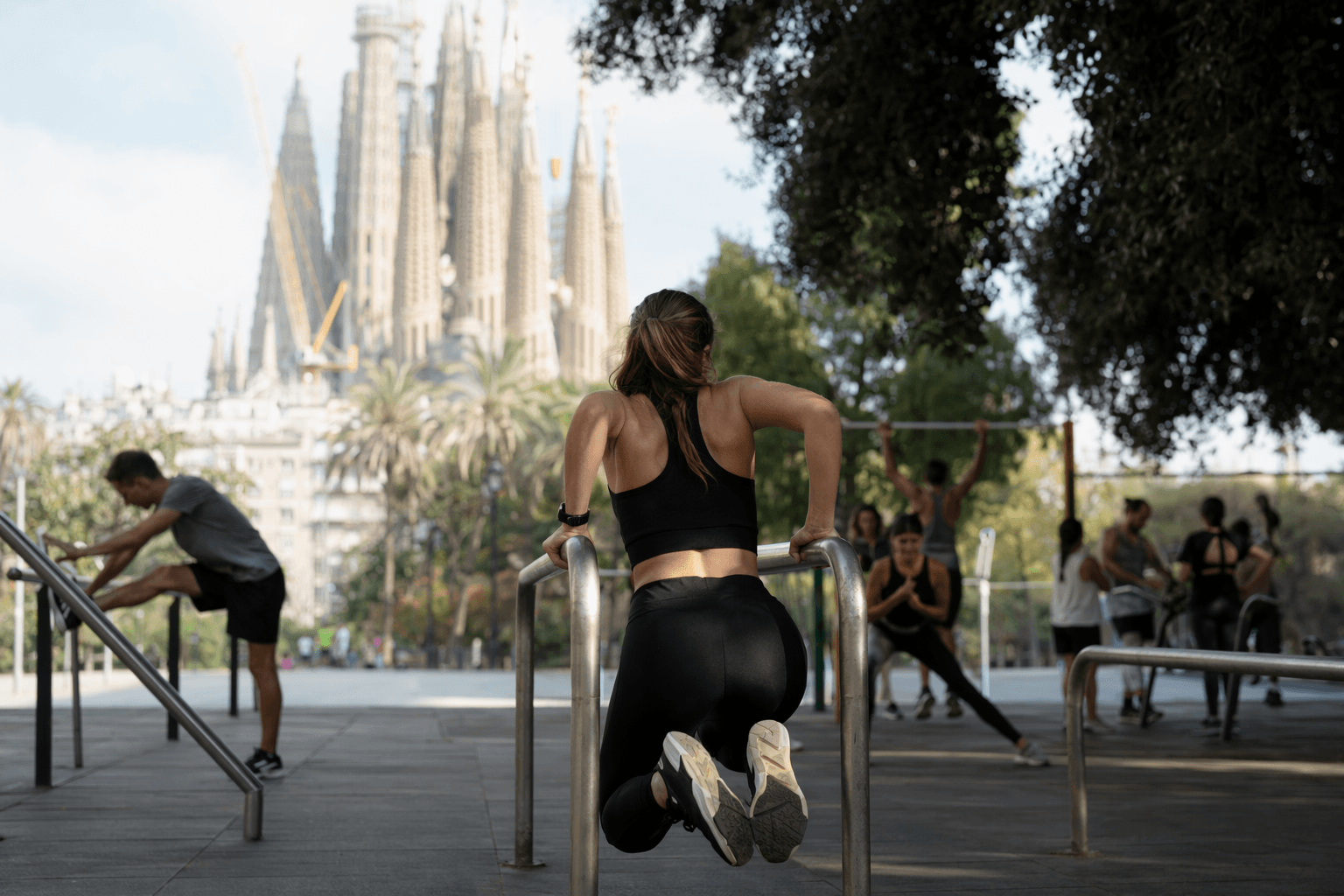
Barcelona’s formal entry into Spain’s National Strategy for Health Promotion and Prevention turns fitness from a stand-alone lifestyle issue into a municipal policy question. The real issue now is whether the city can translate that framework into concrete changes in sports facilities, outdoor activity, preventive care and neighborhood access, or whether it stays a symbolic nod to healthier living.
The city government joined the EPSP on May 10, a move that places public health and healthy habits inside a broader framework instead of treating them as isolated campaigns. The strategy is designed as a common, flexible model that helps local governments align policy with the social determinants of health, a phrase that matters because it points to the built environment, access, inequality and daily routines, not just individual discipline. In Barcelona, that framing gives exercise and preventive health a wider policy lane than they usually get.
That wider lane could matter across the city’s fitness ecosystem. If health policy now includes active commuting, exercise referrals and neighborhood wellbeing, then sports centers, community clubs, outdoor programs and even private gyms sit closer to the public-health agenda than they did before. For residents, that could mean more pressure on the city to think about where people can move safely, how they reach facilities, and whether exercise is being built into everyday life rather than left to personal motivation alone.
Barcelona said joining the network will let it share best practices, training and resources with other municipalities and build collective knowledge. That sounds bureaucratic, but it is the kind of mechanism that can shape what gets funded, copied and scaled. If the city uses that access to strengthen prevention programs, it could influence how officials design sports spaces, connect primary care to physical activity and support neighborhood-level initiatives that make exercise easier to sustain.
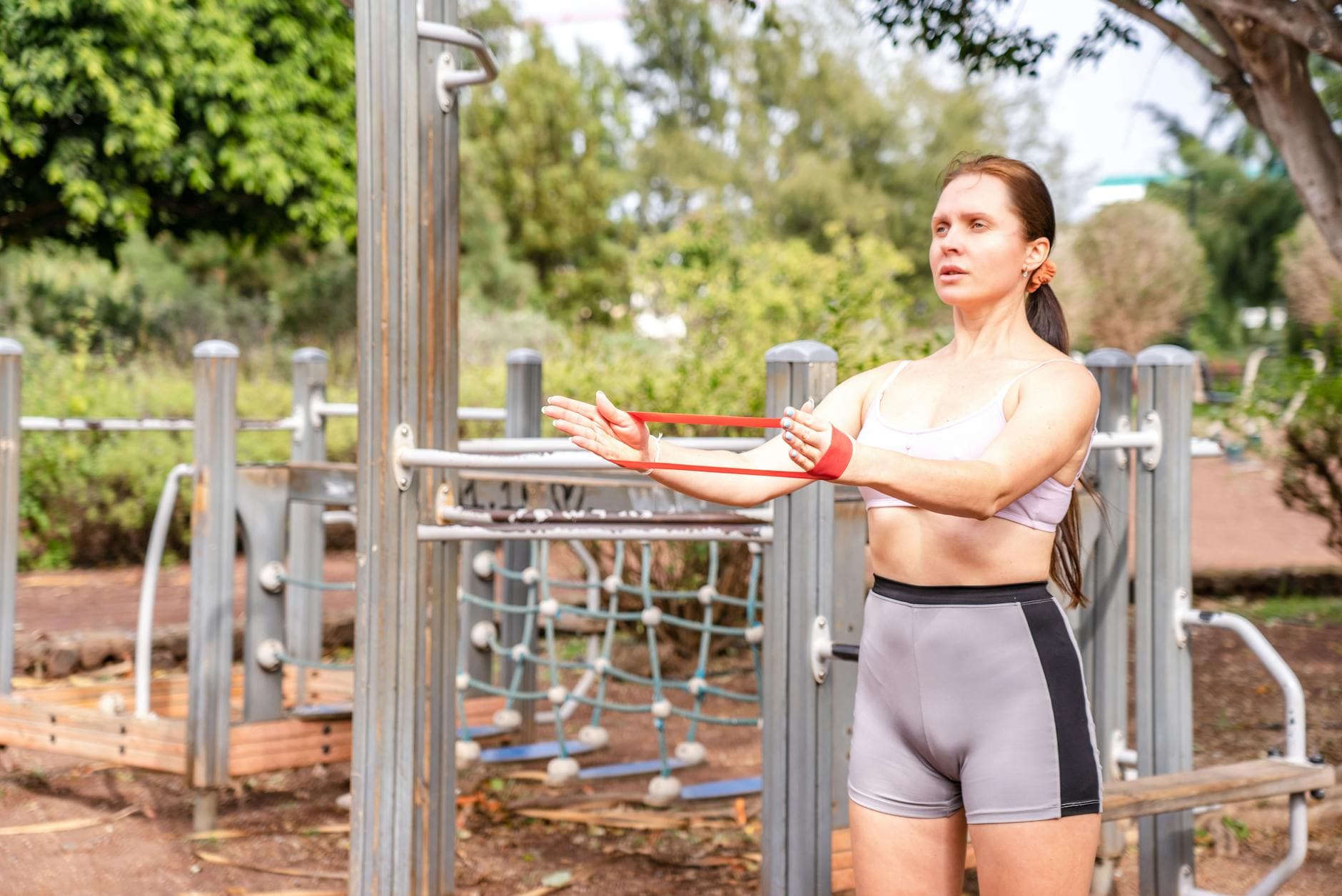
The strategy’s stated aim goes beyond fitness promotion. It seeks healthier and safer environments, longer healthy life expectancy and lower social inequality. That is the important part for the industry watching this closely: when a city treats physical activity as a health intervention, private operators, boutique studios and community sports spaces are no longer just selling workouts. They become part of the prevention system Barcelona is now helping to build.
This article was produced by Prism’s automated news system from verified source data, official records, and press releases, then run through automated quality and moderation checks before publishing. The system is built and supervised by the people who set the standards it runs under. Read our full AI policy.
Did this article answer your question?