Piscina Barcelona explores water as a tool for healthier cities
Piscina Barcelona is reframing pools as city infrastructure, using a May 27 forum to link water, wellbeing and urban design in Barcelona.
Water is becoming urban infrastructure, not just amenity
Piscina Barcelona is pushing a smarter conversation than the usual pool-and-spa trade-fair script. Its new “Water & Space: designing the future of wellbeing” session treats water as a planning tool, one that can shape healthier public spaces, better landscapes and a more liveable city.
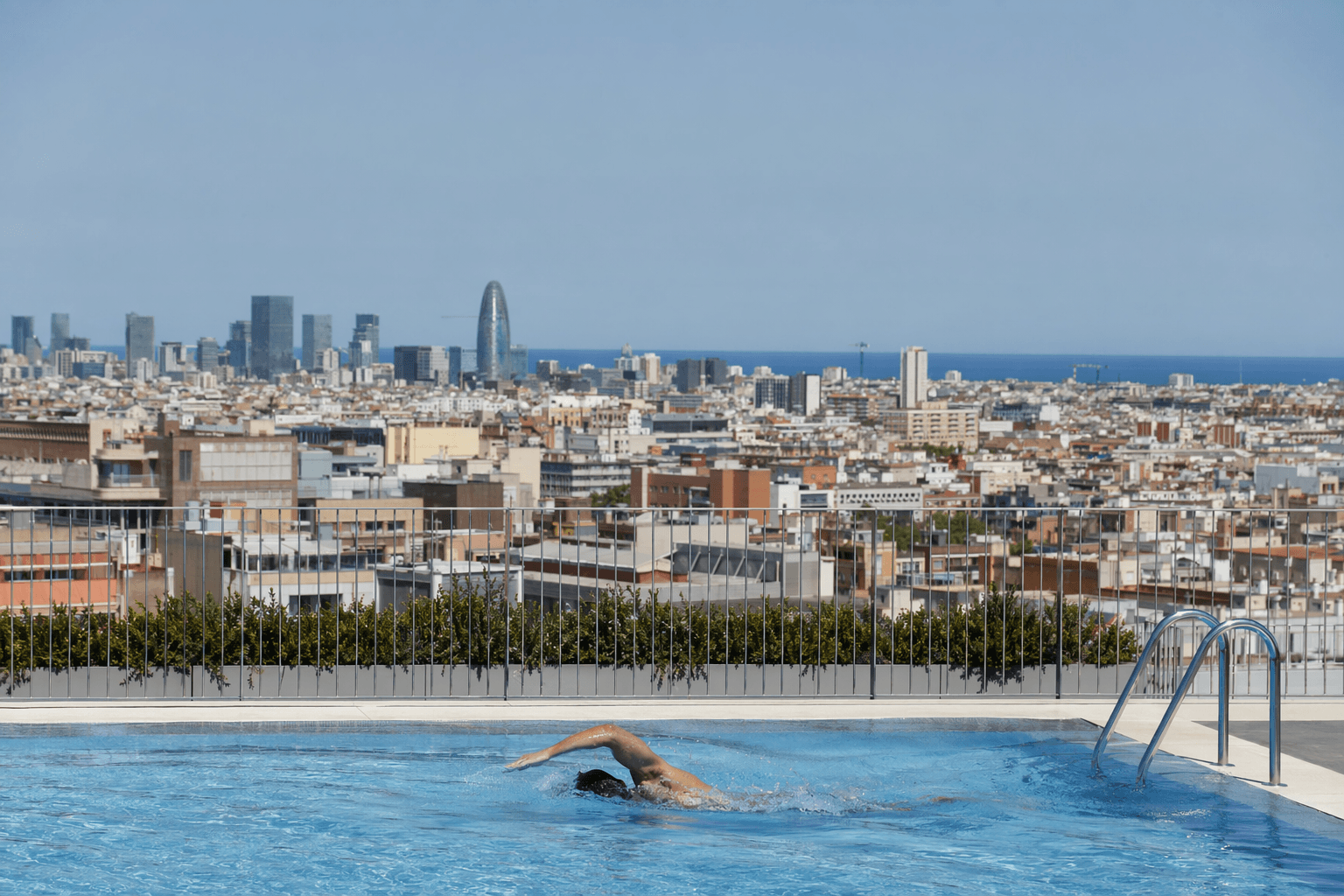
That matters in Barcelona, where space is tight and every design decision has to earn its keep. In a dense city, a pool, a courtyard water feature or a wellness-oriented building is not just a luxury finish. It can influence how people move, recover, socialize and make fitness part of everyday life.
What happens on May 27
The themed day is scheduled for May 27, 2026, at the Mies van der Rohe Pavilion in Barcelona. Fira de Barcelona says the conference will gather architects and designers to examine water’s role in urban and architectural spaces aimed at improving quality of life.
The setting is no accident. The Fundació Mies van der Rohe describes the gathering as a day of debates and networking with influential voices in design and architecture, and it frames water as both a creative material and a transformative experience. That is a useful way to think about the category right now: water is not being presented as decoration, but as an active ingredient in how cities support healthier routines.
For anyone working in pools, wellness clubs, hospitality or civic design, the practical question is straightforward: where does water create daily value, and where is it just expensive spectacle? This event is built around that tension.
Why Barcelona is using architecture to talk about wellbeing
The session sits inside Barcelona 2026 World Capital of Architecture, which runs from February 12 to December 13, 2026. The program stretches across all 10 districts of Barcelona and includes activities in other municipalities in Catalonia, so this is not a narrow industry sidebar. It is part of a citywide effort to use architecture as a public conversation about how people live.
Barcelona City Council presents the program as a broad, diverse project for all audiences, and that framing gives Water & Space a wider policy edge. When a city is already talking about architecture as a tool for shaping daily life, a discussion about pools and aquatic spaces becomes more than a niche design event. It becomes part of a bigger argument about access to wellbeing in the built environment.
That connection is especially relevant in a city where residents increasingly expect wellness to be integrated into the places they already use, not locked away in exclusive facilities. Water in this context is not only about leisure. It is about recovery, heat relief, movement, and the quality of public and semi-public space.
The road to the larger Piscina Barcelona salon
The May gathering is also a strategic warm-up for the larger Piscina Barcelona salon, scheduled for November 15-18, 2026, at Fira de Barcelona Gran Via. That gives the conference a clear role in the calendar: it is the thinking part before the commercial floor opens.
The fair has real momentum behind it. Piscina Barcelona 2025 drew more than 17,000 professionals and 428 exhibitors from 30 countries, reinforcing its position as the most international European platform for the pool, wellness and outdoor living industry. Those numbers explain why the organizers are using the May event to set the agenda early, instead of waiting for the autumn show to define the conversation.
For architects, operators and suppliers, that timing is useful. It creates a place to test ideas around aquatic design, wellness spaces and outdoor living before the industry turns those ideas into product launches, project pitches and procurement decisions.
Europe, Latin America and the Middle East are all in the frame
Piscina Barcelona says it is building bridges between Europe and Latin America around water culture and wellbeing, and the conference programming reflects that wider ambition. The press materials also point to a dialogue that spans Europe, Latin America and the Middle East, which signals that the organizers want Barcelona to function as a global node for aquatic design ideas.
That broader geography matters because the best ideas in this sector are increasingly hybrid. A residential pool, a hotel wellness deck, a public spa or an urban courtyard with cooling water all borrow from the same ecosystem of materials, climate strategies and user expectations. When the conversation crosses regions, the lessons travel faster: how to design for heat, how to make wellness feel accessible, and how to make water infrastructure do more than look good in renderings.
The point is not to romanticize water. It is to use it with discipline. In a city like Barcelona, where fitness access and daily wellbeing depend on how well spaces are planned, the most valuable aquatic projects will be the ones that make healthy behavior easier to repeat.
What the industry should watch next
The useful insight from Water & Space is not that Barcelona likes pools. It is that the city is treating water as part of the operating system for healthier urban life. That shifts the debate from isolated leisure assets to connected systems of public space, architecture and wellbeing.
- Expect more overlap between pool design, wellness architecture and outdoor living concepts.
- Expect urban clients to ask harder questions about social value, not just aesthetics.
- Expect Barcelona to keep using architecture programming to frame these topics as civic infrastructure rather than niche luxury.
By the time the November salon opens at Fira de Barcelona Gran Via, the real value of the May forum should already be visible: it will have sharpened the industry’s language around water, and pushed the conversation toward cities that make healthier habits easier to build into everyday life.
This article was produced by Prism’s automated news system from verified source data, official records, and press releases, then run through automated quality and moderation checks before publishing. The system is built and supervised by the people who set the standards it runs under. Read our full AI policy.
Did this article answer your question?