Barcelona fitness leans into functional training and personalization in 2026 survey
Functional fitness led Spain's 2026 trend survey, and Barcelona's crowded market now has 929 gyms and 733,061 members pushing clubs to prove value fast.
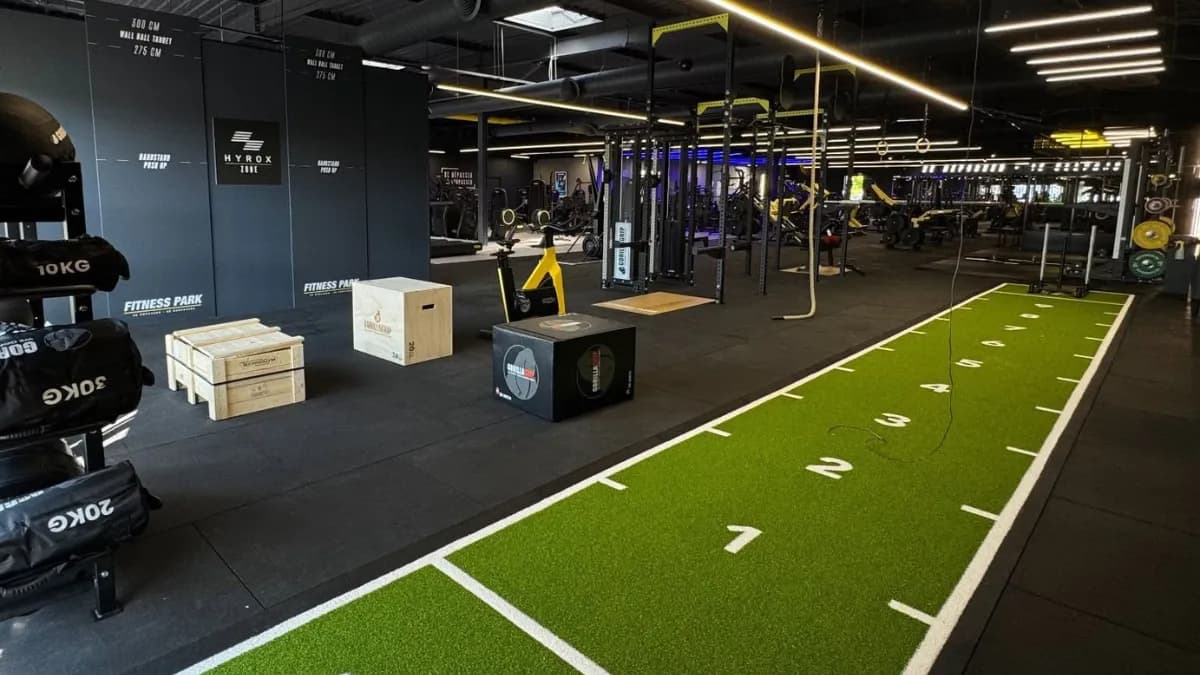
Functional fitness training led Spain’s 2026 National Survey of Fitness Trends, the tenth edition of the report, which asked 6,980 fitness professionals to identify the 20 trends most likely to shape the year. Small group training, personal training, fitness programs for older adults and high-intensity functional training, or HIFT, followed at the top of the list.
The result reads less like a break with the past than a tightening of it. Fourteen of the 20 most selected trends repeated from previous years, six of the top 20 were training modalities, and three clinical-exercise trends entered the national top 20 for the first time. The study also found 11 overlaps with the international ACSM ranking, but in different positions, a sign that Spain is tracking the same broad industry currents while putting less weight on digital technology than the global benchmark. In Catalonia, wearable technology ranked first regionally, which points to a more measurable, data-aware consumer base than the national average.

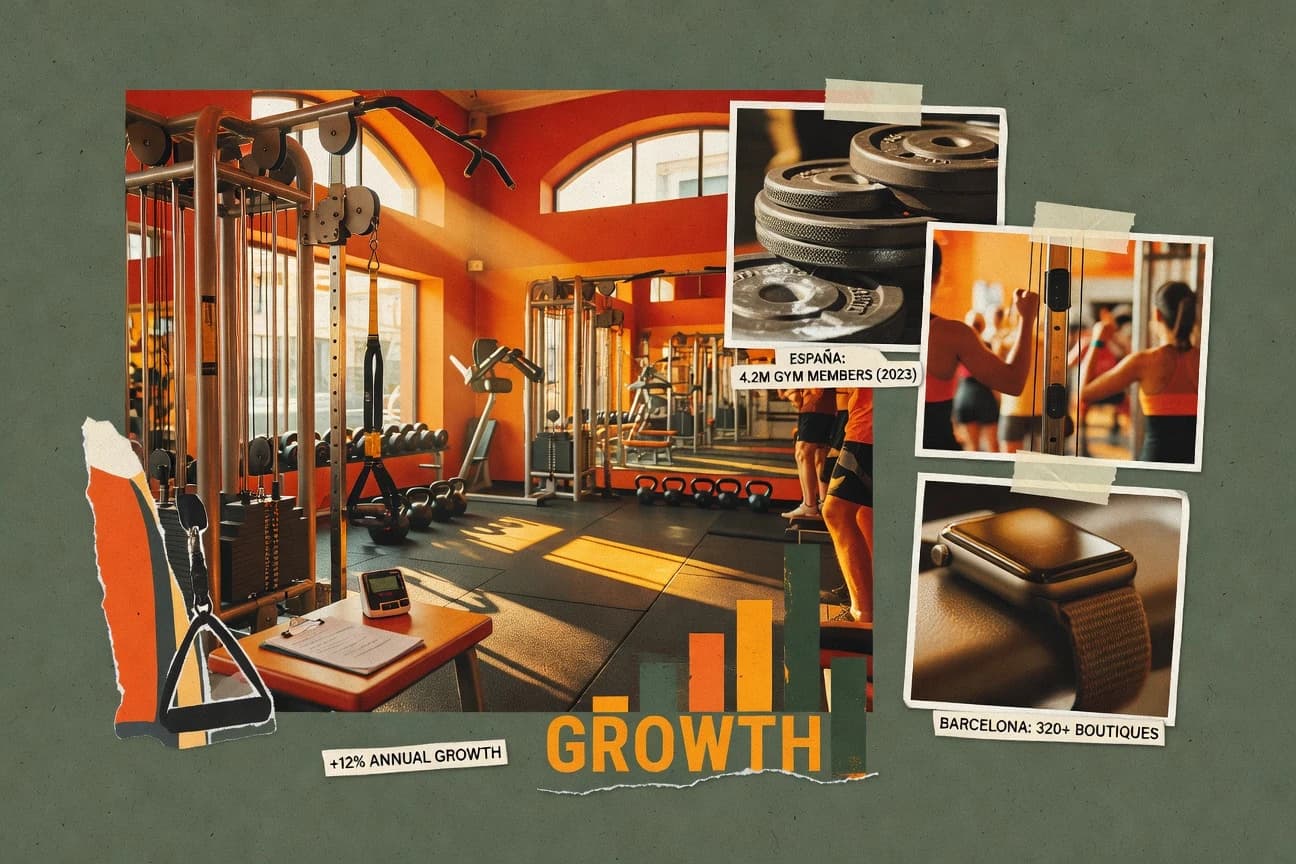
Barcelona’s clubs are operating inside that reality at scale. The city’s fitness market generated 476.3 million euros in 2025, with 733,061 members and 929 gyms, and 20 more openings are expected. Across Spain, the sector closed 2025 with 3.235 billion euros in revenue, 8.3 million users and 5,806 centers, so Barcelona’s density is not an outlier but a pressure test: there is room for many concepts, but not for weak ones.
That is why the survey matters less as a trend list than as an operating manual. In a city where generic floor access gets lost quickly, clubs have to turn functional training into a clear product, not just a buzzword on the timetable. Smaller-group sessions, coached functional systems, hybrid training and injury-aware programming are the formats most aligned with the ranking, but the real differentiator is how they are packaged: enough coaching depth to show progress, enough personalization to justify a higher price, and enough tracking to make the work visible.
The Spanish market is already settled on the basics. Functional training and personalization are no longer emerging propositions; they are the baseline expectation. In Barcelona, the clubs that will separate themselves are the ones that build staffing, programming and member experience around that fact, instead of adding it as an extra on top of a standard membership.
This article was produced by Prism’s automated news system from verified source data, official records, and press releases, then run through automated quality and moderation checks before publishing. The system is built and supervised by the people who set the standards it runs under. Read our full AI policy.
Did this article answer your question?