Barcelona fitness shifts from body change to wellbeing and longevity
Barcelona gyms are selling sleep, energy and longevity now, and the strongest clubs are redesigning memberships to match.
Barcelona’s fitness market is being reset around wellbeing
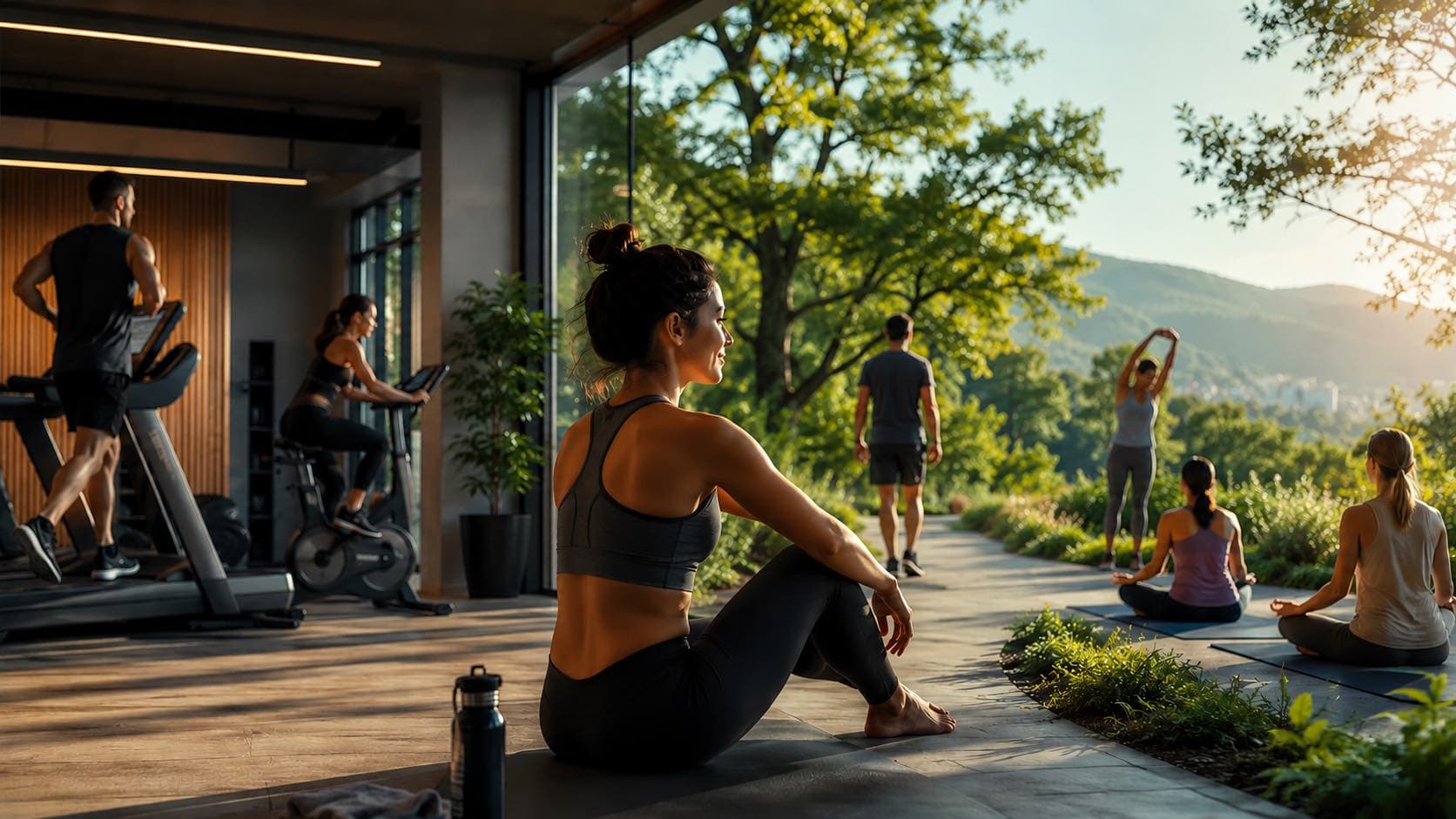
The old gym pitch, visible change first and everything else later, is losing ground in Barcelona. A growing share of clubs, boutique studios and personal-training businesses are selling a different outcome now: better energy, less stress, improved sleep and a routine people can actually keep.
That matters in a city of 1,732,066 residents, a metropolitan region of more than 5 million people and a visitor base that reached 16 million in 2025, up 2.9% from 2024. Barcelona has the scale, the international flow and the wellness culture to reward operators that treat fitness as part of daily life rather than a short-term transformation project.
The new value proposition is quality of life
GYM FACTORY’s analysis captures a real pivot in the sector. Fitness is no longer being sold only through performance, aesthetics or body change. The stronger message is becoming longevity, recovery, mental wellbeing and balance, with exercise framed as something that supports work, travel, sleep and overall life stability.
That shift changes what success looks like on the business side. Instead of judging a club only by visible results or high-intensity branding, operators are being pushed to show that they can build trust, improve adherence and create an atmosphere that feels less intimidating. Coaching quality, personalization and a clearer link to health are becoming part of the product, not just extras around it.
Barcelona already has the market conditions for the pivot
Barcelona is unusually well suited to this repositioning because its fitness demand is not only local. The city has a large resident base, a dense metropolitan catchment and a steady stream of international visitors, all of which support lifestyle-led formats that blend training, recovery and experience.
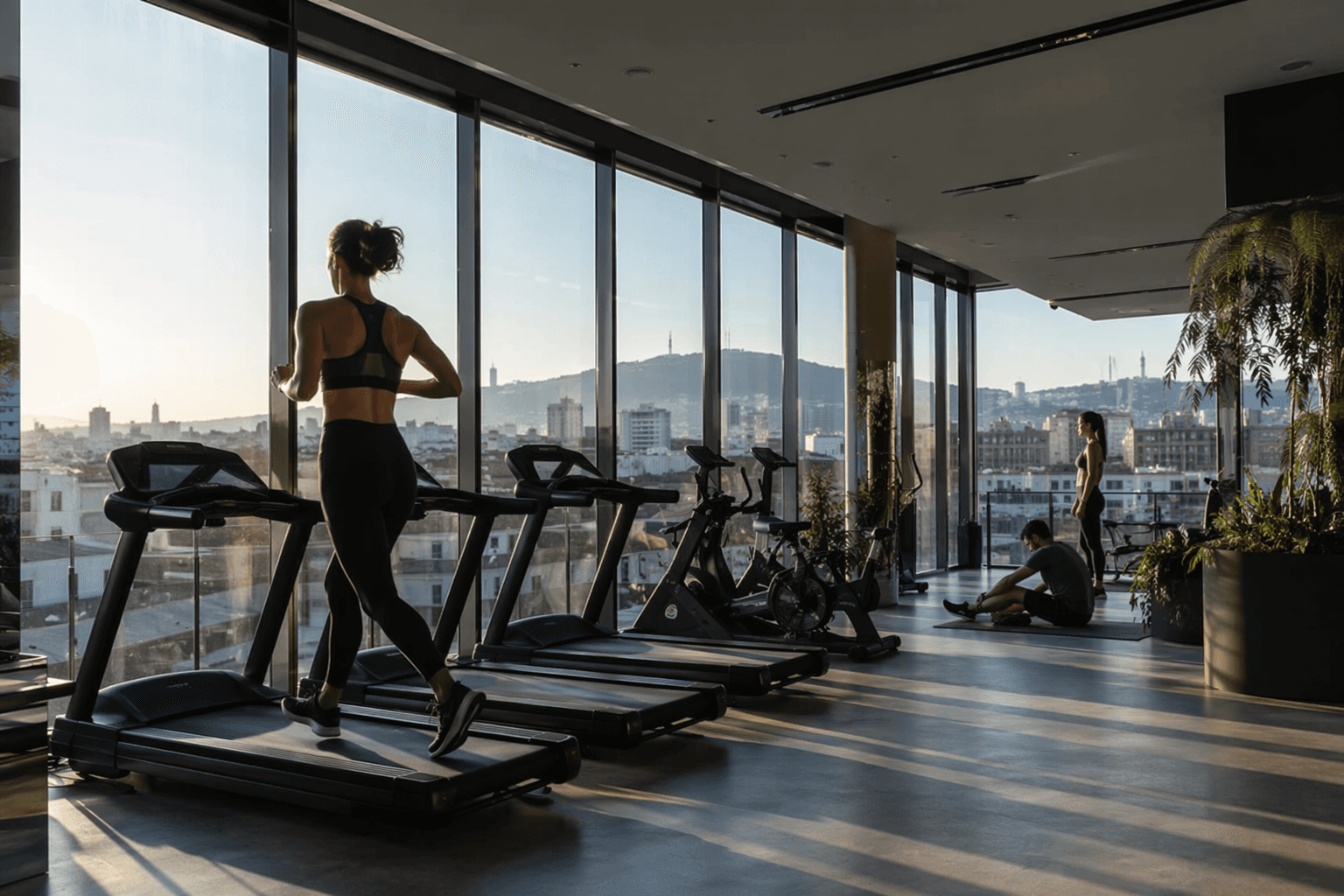
That environment helps explain why the language around fitness is changing so quickly. A city that attracts 16 million visitors a year can support more than a standard gym floor. It can also support studios and club concepts that sell calm, habit formation, coaching and a feeling of belonging, especially in premium and boutique segments.
The local examples show how the model is changing
Lapso Studios is a strong sign of where the market is headed. Founded in Barcelona in 2021, the boutique described by GYM FACTORY as the city’s most complete sports studio was sold in March 2026 to Mexico’s Commando Studios after becoming a sector leader by check-ins in the boutique category. The commercial logic is clear: the winning concept was not simply a harder workout, but a format that attracted repeat visits and built a recognizable identity in the local market.
Welfare points in the same direction, but through a different business model. On January 10, 2025, it opened its third Barcelona site on Carrer Girona, number 177, and said it had more than 45 active personal trainers. That scale of coaching reinforces the idea that the next generation of fitness spaces is not just about equipment or classes, but about blending training with health guidance and ongoing support.
Élevé Barre Studio adds the lifestyle layer. Presented as Barcelona’s first hot barre studio and one of the first barre and pilates boutiques in Catalonia to allow dog-friendly sessions, it shows how operators are differentiating through experience as much as exercise. The point is not novelty for its own sake. It is that the offer now reaches into everyday routines, emotional comfort and community habits, all of which make membership harder to cancel.
What members are signaling across Spain
The demand side supports the same shift. A VivaGym study cited by GYM FACTORY found that 45% of Spaniards train with the goal of living longer and better. That is a major signal for operators who still rely on body-transformation messaging, because it suggests many consumers are already thinking in terms of healthspan rather than appearance.
The wider market data fits that pattern too. Europe’s fitness market reached 75.5 million members and €39.1 billion in revenue in 2025, while Spain hit 7.1 million fitness members, up 8.3% year over year. That is not a sector in retreat. It is a sector expanding while its customer promise becomes more mature, more health-focused and more tied to lifestyle outcomes.

Why the premium segment is under pressure to adapt
The clubs best positioned to grow in Barcelona are likely to be the ones that connect exercise with a broader story of health and daily functioning. That means memberships that feel less transactional, class programming that supports consistency, and messaging that speaks to stress control, sleep quality, recovery and energy instead of only physique change.
It also means the atmosphere matters more than before. A less intimidating environment can be a competitive advantage, especially in a market where many consumers want to keep training for years, not chase a six-week result. The business question is whether operators are genuinely redesigning the experience around that reality, or simply repainting an old transformation pitch in softer language.
The wider industry is already validating the change
Technogym has been pointing in the same direction. At its 25th Wellness Congress on February 15, 2025, the company’s founder, Nerio Alessandri, unveiled the Healthness strategic vision, putting healthy longevity at the center of the brand’s future thinking. That is significant because it shows the wellness conversation has moved beyond marketing language and into strategic planning at the highest level of the industry.
Barcelona’s operators are reading that shift in real time. GYM FACTORY’s own framing of its 2026 RESET tour in Barcelona as wellbeing as strategy makes the point plainly: this is no longer just about how a club looks or how hard a class feels. It is about whether fitness can become part of a longer, healthier and more sustainable way of living.
For Barcelona, that is the real reset. The clubs that win will be the ones that stop selling a mirror result and start selling a better life.
This article was produced by Prism’s automated news system from verified source data, official records, and press releases, then run through automated quality and moderation checks before publishing. The system is built and supervised by the people who set the standards it runs under. Read our full AI policy.
Did this article answer your question?