Barcelona gym market fragments as clubs compete on lifestyle fit
Barcelona’s gym scene now rewards fit over fame. The city’s clubs are splitting into clear user types, with amenities, neighborhood and training style driving the choice.
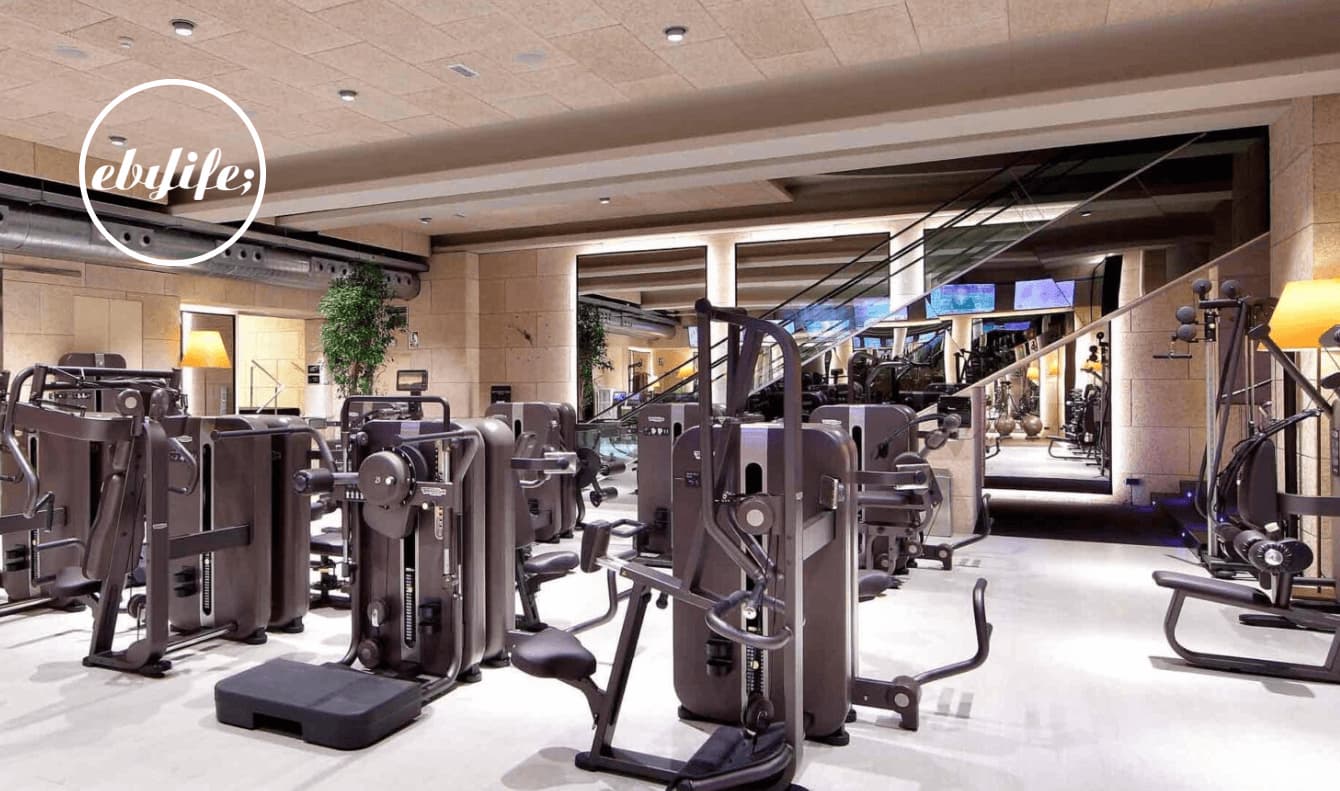
Barcelona’s gym market has moved past the idea that one club can be “the best” for everyone. Barcelona Life’s 2026 guide treats the city as a menu of different fitness models, and that reflects a bigger shift: members now shop for the gym that matches how they actually train, commute and live.
A market built on choice, not one-size-fits-all
The clearest sign of that shift is scale. A June 2026 report put Barcelona at nearly 1,000 sports facilities serving more than 730,000 users, which is a dense ecosystem by any measure. The city government also describes Barcelona as one of Europe’s leading cities for citizen sports participation, and the Barcelona Sports Institute says the public network is large and widely distributed across the city.
That matters because it changes the competitive landscape. Private clubs are not just fighting each other for members, they are competing against a municipal network that makes access more normal, more local and often more convenient. In a city like this, the question is no longer whether you can find a gym, but which kind of gym fits your routine best.
The real trade-offs: amenities, coaching and atmosphere
Barcelona Life’s guide makes the market’s segmentation easy to see. Some clubs are designed for members who want the full-service experience: pools, spas and a long list of classes. Others are stripped back and efficient, built for people who want to lift, train and leave without paying for extras they will never use.
That split turns every decision into a trade-off. A full-service club may win on amenities and variety, but a simpler gym may win on speed, focus and a less complicated membership. Boutique studios bring a different appeal again, often emphasizing a more defined training style and a stronger sense of identity, while mainstream clubs tend to offer broader access and a more familiar format.

Community is part of the equation too. In Barcelona’s crowded fitness market, the atmosphere of a club can matter as much as its equipment. Some members want a coach-led environment with a clear program and social energy; others want anonymity, flexible entry and no-frills convenience. The “right” gym now depends on which of those experiences feels sustainable week after week.
Neighborhood convenience has become a core feature
Barcelona’s public sports network helps explain why geography weighs so heavily in gym choice. When facilities are spread across the city, proximity stops being a minor preference and becomes a major part of the value proposition. For many members, the decisive factor is whether a club sits near home, near work or on the route between the two.
That is why the market increasingly rewards clubs that are easy to integrate into urban life. A member who trains before work may care more about opening hours and a fast in-out experience than about spa facilities. Someone who fits training around family or commuting patterns may prioritize neighborhood convenience and contract flexibility over premium touches. Barcelona Life’s guide is useful precisely because it reflects those practical decisions rather than pretending all gym users want the same thing.
Chains are scaling, but they are not erasing the differences
The segmenting of the market is happening alongside active expansion. VivaGym signed a binding agreement in April 2026 to acquire Synergym, a move that would create more than 450 clubs across Spain and Portugal. It would also make the combined company the largest fitness operator in Spain by number of centers.
That kind of consolidation signals a mature market, not a crowded one. Large operators are still chasing scale, but the way they do it matters: growth is happening in a landscape where consumers have more options and more specific expectations than before. Planet Fitness is following a similar expansion path, saying in April 2026 that it planned seven new openings in Spain in 2026 and aimed to reach 18 clubs in the country.

The takeaway is not that chains have flattened the market. It is that scale now has to coexist with segmentation. Bigger operators can build reach, but they still need to appeal to distinct user types, whether the draw is value, a recognizable format, a more premium feel or a straightforward training setup.
How to choose the right club for your routine
For anyone navigating Barcelona’s gym scene, the smartest approach is to think in terms of fit rather than brand familiarity. The city’s market is deep enough that the deciding factors are often the small ones: where the club sits, how the membership works, whether the training style matches your goals and how much of the experience is built around extras versus basics.
A practical shortlist looks like this:
- Choose full-service clubs if pools, spas and class menus are part of your routine.
- Choose simpler gyms if your priority is efficient strength or cardio training.
- Choose boutique formats if coaching style and atmosphere drive motivation.
- Choose neighborhood-first options if commute and consistency matter most.
- Choose mainstream chains if you want scale, familiarity and straightforward access.
Barcelona’s gym scene now looks less like a single market and more like a collection of overlapping niches. That is the hallmark of a mature city fitness economy: plenty of supply, clear differences between clubs, and a customer base that increasingly knows exactly what kind of training life it wants to buy into.
This article was produced by Prism’s automated news system from verified source data, official records, and press releases, then run through automated quality and moderation checks before publishing. The system is built and supervised by the people who set the standards it runs under. Read our full AI policy.
Did this article answer your question?