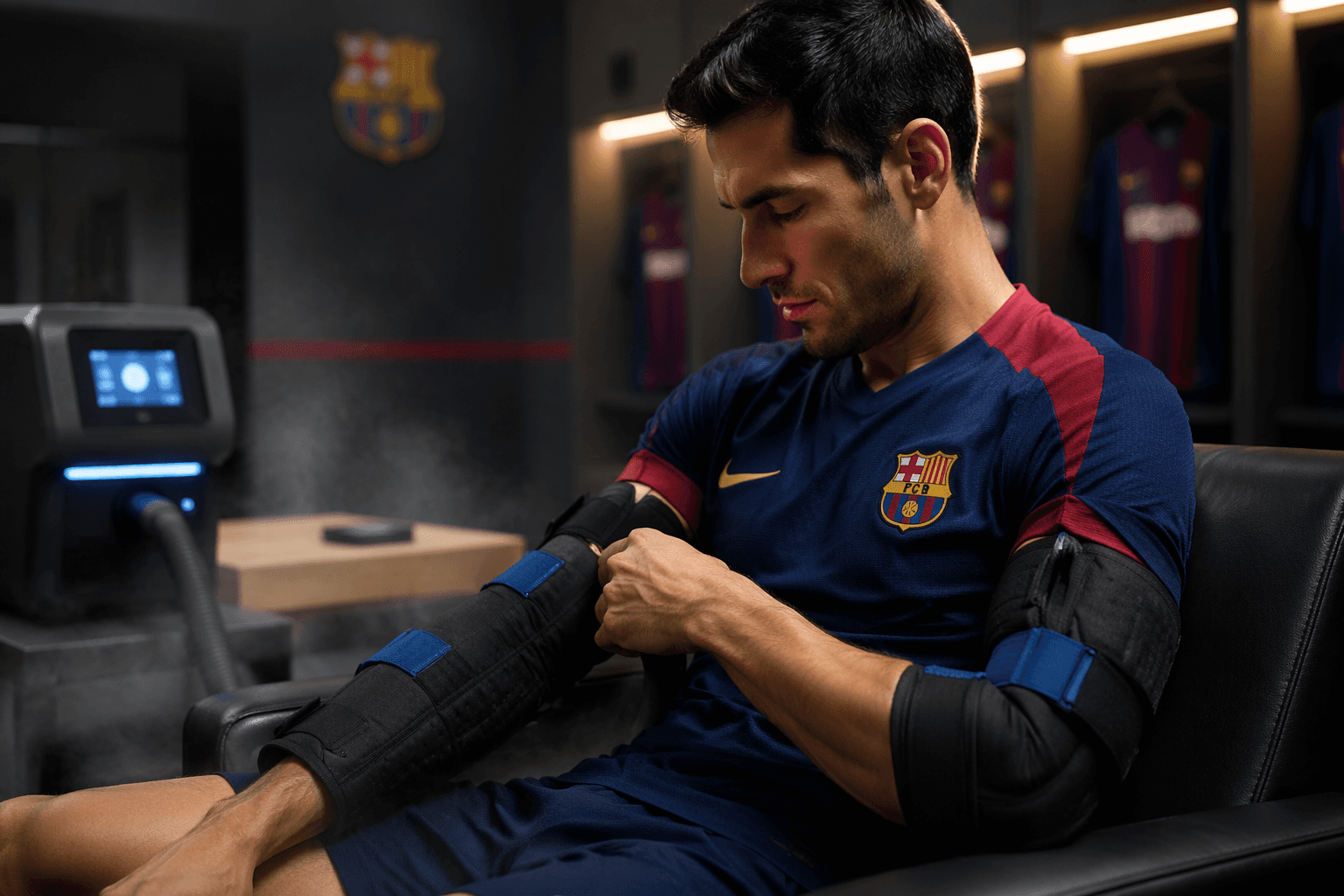
Barcelona gyms adapt as fitness merges with preventive health platforms
Barcelona gyms face a bigger shift than new classes: members are starting to expect training bundled with sleep, recovery, nutrition, and biomarker data.
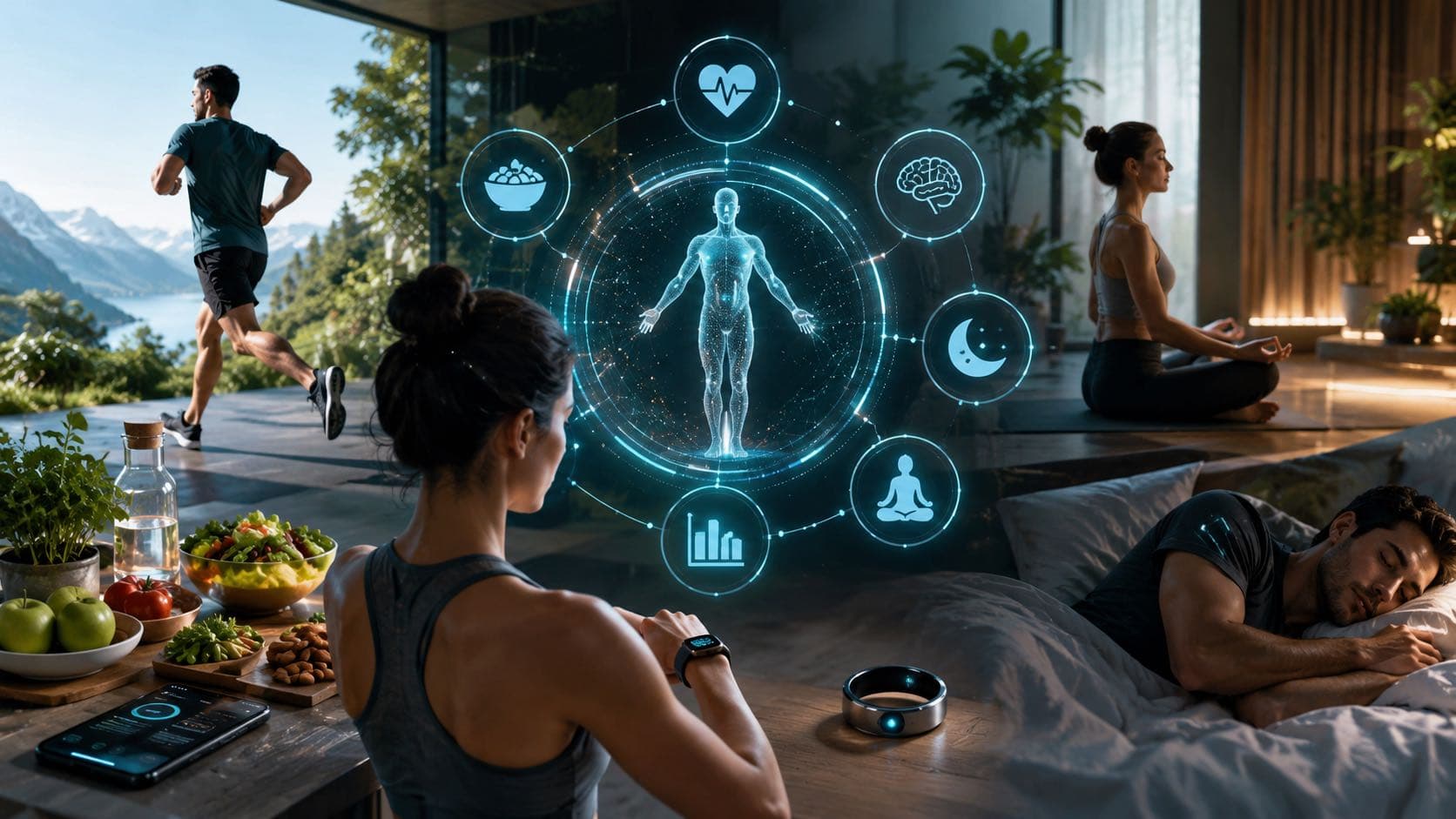
Barcelona’s fitness market is heading into a different business entirely, one where the gym floor is no longer the product’s center of gravity. A Gym Factory analysis, drawing on trend researcher Carl Rohde, argues that exercise is becoming just one pillar inside a broader preventive-health platform that also covers sleep, recovery, nutrition, mental wellbeing, and biomarkers. For Barcelona operators, that is not a branding tweak. It changes what members buy, what staff must know, and which partners a club needs to stay relevant.
Fitness is moving from service to system
The old model of fragmented wellness services is giving way to something more coordinated and data-driven. Instead of selling a block of training sessions and leaving the rest to the customer, the new expectation is that movement, recovery, and lifestyle guidance fit together in one experience. That shift matters because it recasts a gym, studio, or coach as part of a health-support system rather than a standalone access point.
The market examples already point in that direction. WHOOP centers its current product around sleep, strain, recovery, healthspan, stress monitoring, and health features, while Oura, Zoe, Levels, and Function Health each connect fitness-adjacent behaviors to a broader view of health. WHOOP’s regional availability page also says Spain is among the countries where irregular heart rhythm notifications are available, a reminder that feature sets now depend on local regulatory approval as much as product design.
Why Barcelona is a strong test case
Barcelona is unusually well placed for this transition because the city already competes on sophistication, international clientele, and a willingness to pay for better guidance. In a market like that, consumers are often quicker to value convenience and measurable results, especially when wellness offerings are packaged as part of a premium lifestyle. That makes the city fertile ground for platforms that can tie training to sleep, stress, nutrition, and recovery instead of treating each as a separate purchase.
The practical implication is simple: member value is shifting toward coordination. A club that can help a client understand how a hard session affected recovery, how sleep changed readiness, and how food or stress may have influenced performance will feel more useful than a facility that simply provides equipment and a timetable. That is the competitive conversation Barcelona operators need to hear now, not later.
What gyms actually need to change
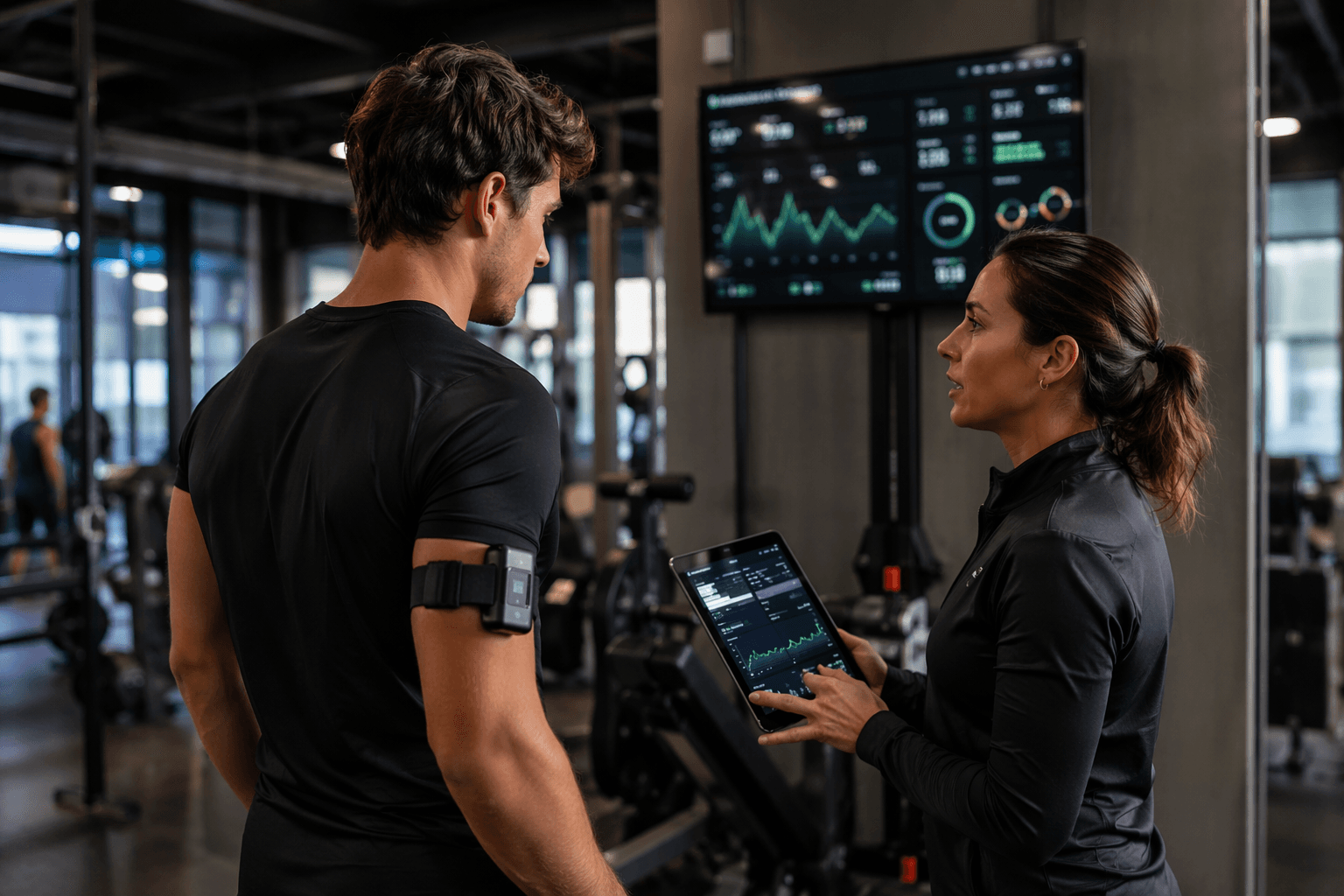
To compete in a platform-shaped market, local operators will need to think beyond programming and treadmills. Staffing is the first pressure point. Coaches may need more competence in recovery, behavior change, and basic nutrition literacy, while some clubs will need formal partnerships with dietitians, sleep specialists, lab providers, or digital-health services that can translate data into action.
Member experience will also have to become more connected. Instead of treating wellness as a series of separate add-ons, gyms may need to build pathways that link training plans to wearable data, lifestyle check-ins, and personalized feedback. That could mean onboarding tools that capture sleep and readiness patterns, dashboards that track strain and recovery, or advisory models that help members interpret biomarkers rather than just log workouts.
The brands already winning mindshare show what that looks like in practice. WHOOP emphasizes sleep, strain, recovery, healthspan, and stress monitoring. Oura has made readiness and sleep part of the daily conversation. Zoe, Levels, and Function Health extend the promise further into nutrition, metabolic health, and diagnostics. For Barcelona operators, the lesson is not to copy those products outright, but to understand why consumers may soon expect a gym to coordinate with them.
Barcelona’s digital-health ecosystem is already moving
This shift is not happening in isolation. Barcelona Health Hub describes itself as linking startups, health organizations, corporations, and investors in digital health, and says its members form the foundation of its ecosystem. That matters because it gives local fitness businesses a nearby network of potential technology partners, clinical collaborators, and innovation contacts.
The scale of that ecosystem is already significant. A May 2025 report cited by Europa Press said Catalonia had about 400 digital-health companies employing 5,300 people. In June 2025, Mutua Universal joined Barcelona & Madrid Health Hub to help advance digital-health innovation, another signal that the city’s health and tech communities are converging around the same preventive-health logic. For gym operators, that means the infrastructure for partnerships is no longer theoretical.

The trade shows are sending the same signal
Barcelona’s wellness trade calendar is reinforcing the direction of travel. Fira de Barcelona says Piscina Barcelona 2025 will run from November 17 to 20, 2025, with more than 400 companies from 30 countries and a program focused on wellness, outdoor living, digital transformation, sustainability, and innovation. That lineup is a strong sign that the market is no longer thinking only about pools or facilities, but about the broader wellness experience around them.
The scale of the sector was already visible in the 2023 edition of Piscina & Wellness Barcelona, which said it would host 360 companies, 68% of them international, across 40,000 square meters. Those numbers show how mature and international the local wellness scene already is. Barcelona is not waiting for the preventive-health trend to arrive from elsewhere. It is one of the places where the trend is being normalized.
Tourism, premium demand, and measurable outcomes
Barcelona’s broader tourism and lifestyle economy makes this even more important. Turisme de Barcelona maintains studies and statistics on visitor profiles and spending patterns, and that matters because the city’s fitness and wellness offers often overlap with international tourism, workation travel, and high-intent consumers looking for visible health gains. In that environment, a gym is not competing only with the club across town. It is competing with every premium health experience a visitor or resident can compare in a single search.
That is why the warning for Barcelona operators is so practical. The winners will not simply add a recovery corner or talk about wellness in marketing copy. They will build staffing, partnerships, data tools, and member journeys that connect training with sleep, nutrition, recovery, stress, and biomarkers. In a city that already rewards sophistication, the next competitive edge is becoming part of the health platform itself.
This article was produced by Prism’s automated news system from verified source data, official records, and press releases, then run through automated quality and moderation checks before publishing. The system is built and supervised by the people who set the standards it runs under. Read our full AI policy.
Know something we missed? Have a correction or additional information?
Submit a Tip