Barcelona fitness shifts toward injury-prevention and personalized training
Barcelona’s fitness market is moving from intensity to durability, with injury-prevention, mobility work and personalized coaching turning into a real commercial edge.

42.3% of Barcelona’s population is subscribed to sports centers. The city’s most visible fitness story is no longer about training harder for a quick body change, but about training longer, with less breakdown, through programs built around mobility, corrective work and strength that fits the individual.
The Ajuntament de Barcelona puts the market at 733,061 users, 949 identified facilities and 476.3 million euros in annual business. In a city that active, prevention is no longer a niche add-on. It is becoming part of the product.
From intensity to durability
The anti-injury trend puts a new generation of trainers at the center of Barcelona fitness. Instead of writing the same hard sessions for everyone, they are paying attention to each body’s history, current stress, age, mobility, sleep and recovery, then adjusting the load accordingly. That is a direct break from the old script of more sweat, more weight and more repetition as the default definition of progress.
People are not only looking to train, they are looking to keep training without losing weeks to pain, flare-ups or setbacks. In practical terms, the city’s fitness market is rewarding coaches who can build consistency and keep clients training.
What these programs actually include
Anti-injury training in Barcelona is not a single method. It is a mix of corrective work, guided mobility, well-prescribed strength sessions and programming that takes the client’s background into account. It is a more technical and functional approach that asks how a body responds to effort instead of assuming every body should be pushed the same way.
That approach is especially relevant for people trying to stay active over months and years rather than in short motivational bursts. It is also a better fit for recreational runners, cyclists and desk-bound workers who need routines that support movement outside the gym. In practice, the value is in designing work that helps people recover better, sleep better and stay consistent longer.
Mobility-led sessions and corrective strength are becoming recognizable service lines, not just warm-up material. The value proposition shifts from “we make you sweat” to “we help you train without derailing your routine.”
Who is paying for it
The people paying for this evolution are already visible in Barcelona’s membership base. The city’s 733,061 sports-center users and its 205,373 people subscribed to municipal sports facilities at the close of 2025 show a broad paying audience, not a narrow elite. Barcelona also reached a record 212,136 subscriptions in municipal sports facilities in September 2025, a sign that demand is still expanding.
Women make up more than 50% of municipal sports-center subscribers. A more diverse customer base usually means more demand for safer onboarding, tailored loads and coaching that respects different starting points.
Injury-prevention work is becoming a revenue line. Boutique studios, premium clubs and personal trainers can frame it as an upgrade path: more assessment, more personalization and more supervision. In a city with 949 centers competing for attention, safety and customization can stand beside price and location as a reason to buy.
Why Barcelona is especially ready for this change
Barcelona’s fitness market is already large enough to support specialization. The city puts annual business at 476.3 million euros, a sign of a mature ecosystem, and mature markets tend to reward differentiation. Once basic access becomes common, the next competitive frontier is service quality, retention and the ability to keep clients healthy enough to stay enrolled.
The anti-injury model fits Barcelona’s scale, competition and informed user base. A trainer who can adjust programming around old injuries, heavy work schedules or low mobility is offering something more durable than a viral challenge or a temporary transformation plan.
Public health is reinforcing the same logic
The anti-injury wave is not only a private-market trend. The Agència de Salut Pública de Catalunya has been promoting physical-activity prescription among health professionals, and it defines prescripción deportiva as an initiative to increase physical activity, especially among vulnerable groups or people at higher risk of disease, and to integrate it into primary care. Preventive exercise is in the same conversation as healthcare, not just aesthetics or performance.
Gyms and trainers that can translate that idea into safe, structured programming have a stronger case for their services. The city’s strongest operators are likely to be the ones that can bridge those two worlds without making the offer feel clinical.
A city built to move more
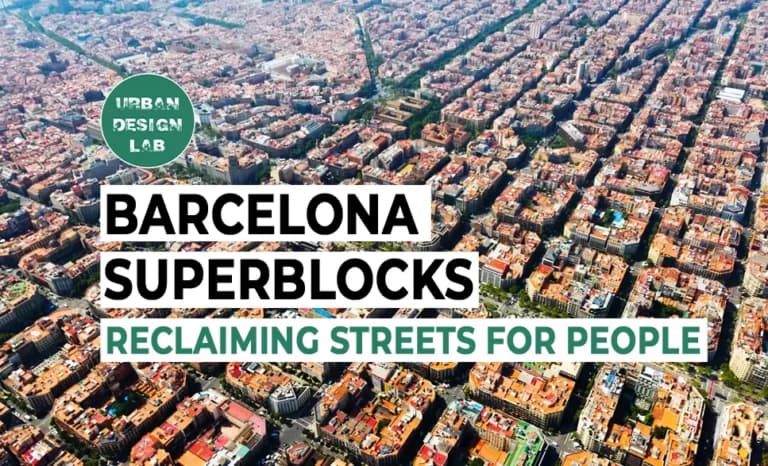
Barcelona’s urban strategy also supports the same direction. The city is working within a mobility framework that seeks to increase sustainable travel and reduce private-car use, which encourages more walking, more public transport use and more time on bikes and foot.
This article was produced by Prism’s automated news system from verified source data, official records, and press releases, then run through automated quality and moderation checks before publishing. The system is built and supervised by the people who set the standards it runs under. Read our full AI policy.
Know something we missed? Have a correction or additional information?
Submit a Tip