Barcelona’s Olympic Ring blends fitness, heritage and daily city life
Barcelona’s Olympic Ring is still a working sports district, not a frozen monument. Its pools, stadium and tower keep Montjuïc tied to daily exercise, events and city life.
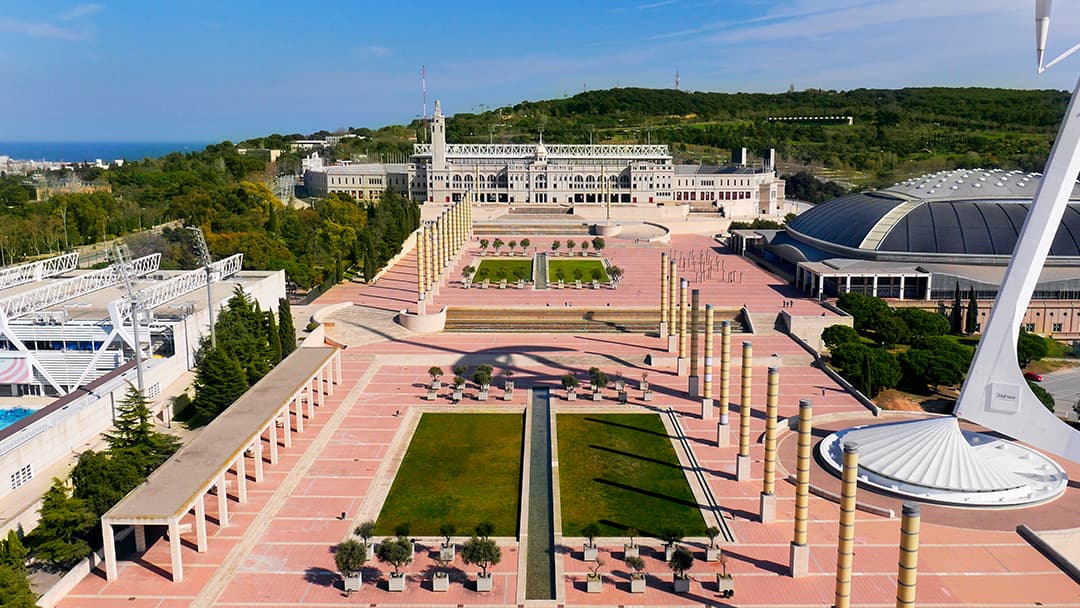
The Olympic Ring still earns its keep because Barcelona never treated it like a shrine. On Montjuïc, the Anella Olímpica remains a working cluster of sports facilities, with the Palau Sant Jordi, the Estadi Olímpic Lluís Companys, Santiago Calatrava’s 136-metre telecommunications tower and the Piscines Bernat Picornell all folded into the city’s daily rhythm. That is the difference between a legacy project that gathers dust and one that keeps pulling residents, athletes and event crowds back up the hill.
What the Olympic Ring actually is now
Barcelona City Council describes the Anella Olímpica as a set of sports facilities created or remodelled for the 1992 Olympic Games, and the key detail is what comes next: it is now used daily by residents and admired by visitors. That matters because it changes the way you should read the place. This is not a sealed-off monument to a single summer; it is a sports district that still functions inside the city.
The mix of uses is the point. The Ring is not only a place for formal competition or nostalgia-driven sightseeing. It sits on the border between civic infrastructure and cultural venue, which is why the same hill can host a concert one night and still serve as a place people move through, swim in and train around the rest of the time.
The venues that keep it alive
The strongest argument for the Olympic Ring’s relevance is the lineup of facilities that survived the Olympics and still pull real traffic. The Palau Sant Jordi remains one of Barcelona’s major indoor venues, the Estadi Olímpic Lluís Companys gives the complex its stadium backbone, and the Piscines Bernat Picornell keep the aquatic side of the site active. The telecommunications tower, designed by Santiago Calatrava, rises to 136 metres and gives the whole complex a visual marker that is impossible to miss from the hill.
That tower is more than a landmark for postcards. It tells you how the Ring was built to be seen from across the city, but the real test is ground level use. The Piscines Bernat Picornell are still used daily by people in Barcelona who want to enjoy them, which is exactly the kind of detail that separates living infrastructure from dead architecture. If a pool complex is still part of everyday life, the legacy is working.
Why the 1992 story still matters
Barcelona keeps reinterpreting the Olympic moment instead of freezing it. In 2022, the city marked the 30th anniversary of the Games with the exhibition Barcelona 1992, thirty years on at Montjuïc Castle, tying the Olympics directly to the transformation of Montjuïc and the wider city. That framing is useful because it shows the Ring as part of a bigger urban shift, not an isolated sporting triumph.
The lesson is straightforward: Barcelona used a global event to build or upgrade a large infrastructure cluster, then folded it into civic life. That is the rare version of mega-event planning that actually pays off for ordinary use. Many Olympic sites become expensive relics once the closing ceremony ends, but the Anella Olímpica stayed legible as a place to move, train, gather and watch. In a city where fitness is as much about public space as private gyms, that is a serious asset.
How to read it as a fitness destination
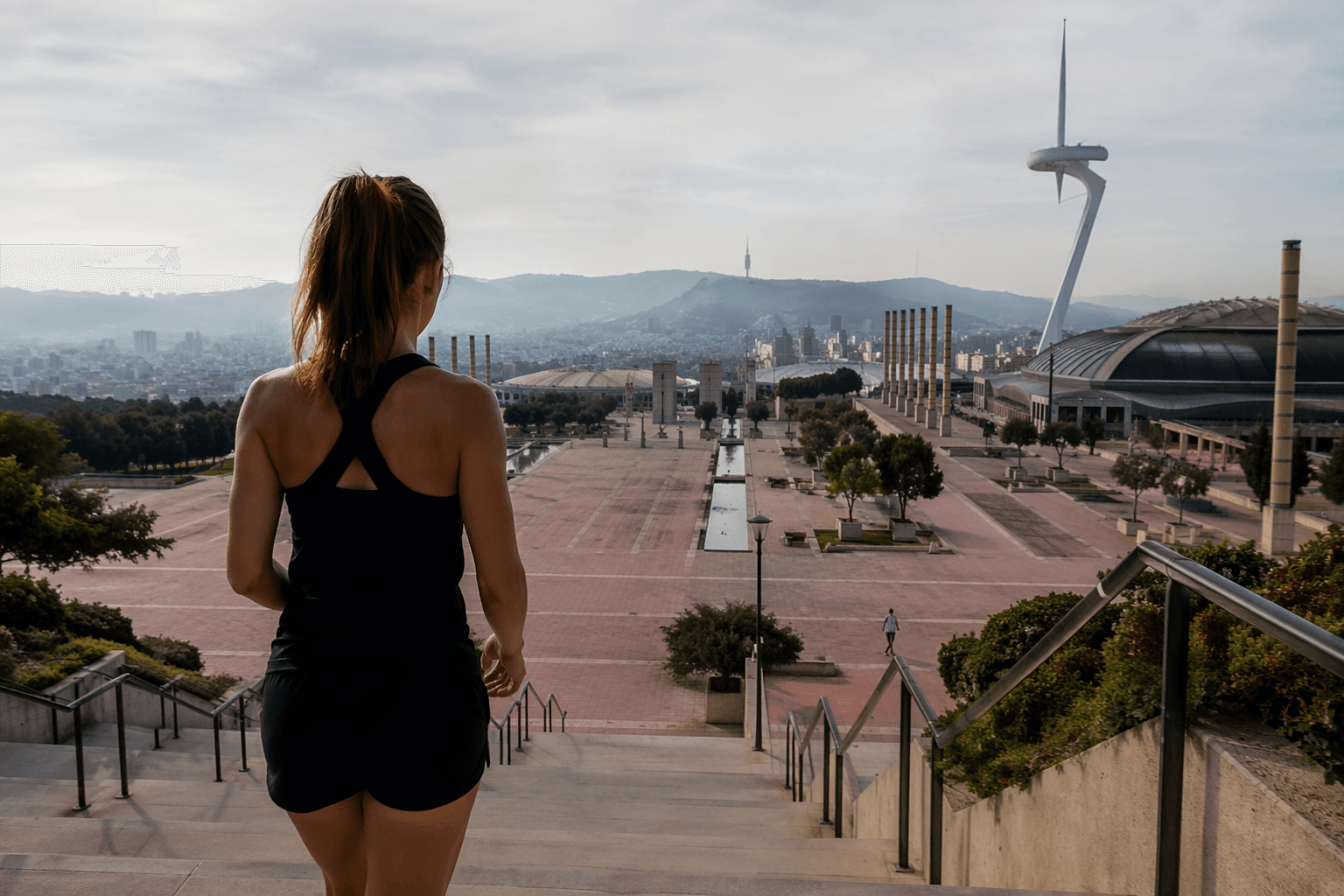
Treat the Olympic Ring like a district, not a single stop. The value is in the way the pieces fit together: the stadium, the arena, the pools and the tower sit on the same hill, so the area works both as a destination and as a backdrop to regular city routines. You can come for an event and still feel the structure of a place built for everyday movement, not just for one-off spectacle.
A practical way to think about it:
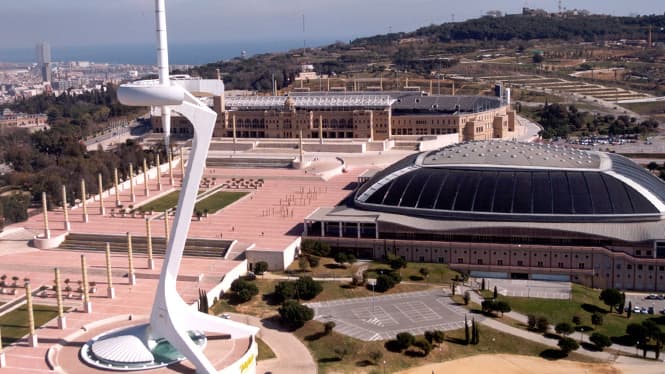
- The Piscines Bernat Picornell show how a legacy venue stays useful when it keeps serving real users.
- The Estadi Olímpic Lluís Companys and Palau Sant Jordi prove the district still has a major event role, which keeps the area active instead of abandoned.
- The 136-metre Calatrava tower gives the site its skyline identity, making the whole complex easy to read from a distance.
- The Montjuïc setting links the Ring to the city’s broader public landscape, which is why it still feels connected to Barcelona rather than parked outside it.
What makes the Olympic Ring worth your time is that it solves the hardest problem in sports legacy planning: it still has a reason to exist on an ordinary day. The 1992 Games built the shell, but daily use, regular events and continued public relevance are what keep the place from turning into a museum piece.
This article was produced by Prism’s automated news system from verified source data, official records, and press releases, then run through automated quality and moderation checks before publishing. The system is built and supervised by the people who set the standards it runs under. Read our full AI policy.
Know something we missed? Have a correction or additional information?
Submit a Tip