Barcelona spa scene grows as recovery becomes part of city life
Barcelona’s spa boom is turning recovery into a core fitness purchase, from hammams and saunas to hotel-grade wellness. The question is whether that broadens access or just raises the price.
Barcelona’s wellness economy now sells more than relaxation. Across the city, recovery is being packaged as part of the full performance lifestyle, sitting beside training, social life and tourism rather than trailing behind them as an occasional indulgence. That shift is visible in the range of spas, hotels and studios adding sauna, massage and cold-therapy options, and in the way Barcelona’s fitness culture is increasingly built around restoration as much as exertion.
Recovery has moved into the main product
Barcelona Life’s spa guide makes a clear case that wellness is no longer an add-on to the city’s lifestyle scene. The appeal is easy to see in a place where beach days, tapas, nightlife and a pleasure-seeking social rhythm already shape daily life, and where a quick recovery session can feel like a natural extension of the routine. The guide points to a market that is expanding quickly, with wellness centres opening across the Catalan capital and serving a clientele that wants more than a standard gym session.
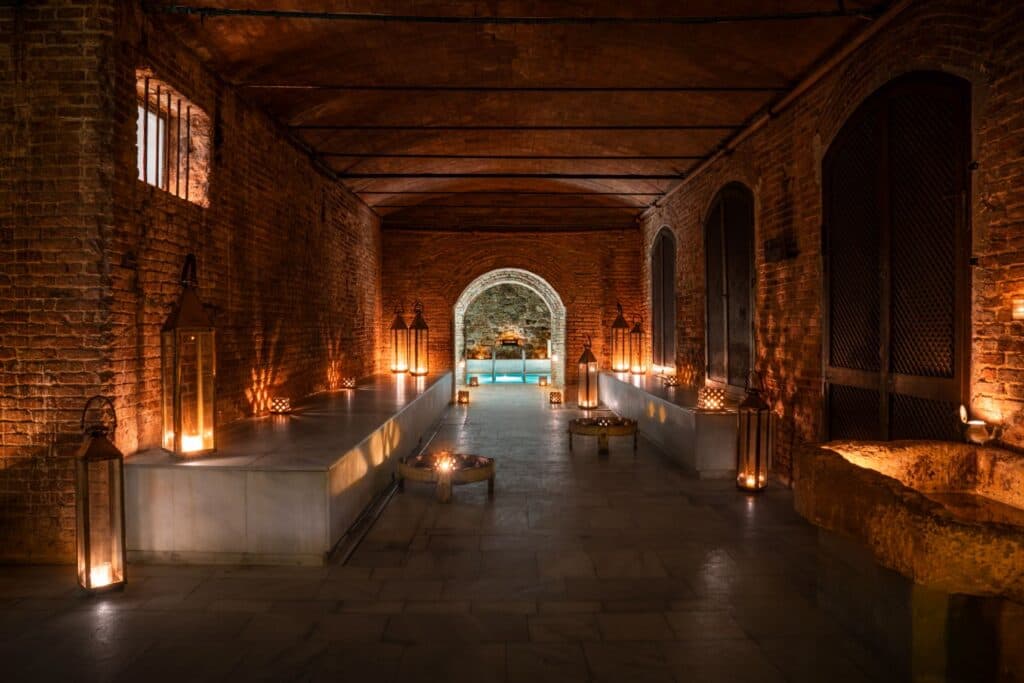
The menu of services is broad enough to show how far the category has matured. Turkish steam rooms, Finnish saunas, flotation tanks, infinity pools and ice showers now sit alongside massages in Thai, Balinese, Hawaiian and Swedish traditions. That variety matters because it signals a market that is no longer defined by a single spa format. Barcelona’s recovery economy now stretches from luxury hotels to day spas, hammams and women-only wellness centres, giving operators room to target very different spending habits and comfort levels.
What the city’s fitness scene is learning
For gyms and studios, the bigger lesson is not about pampering. It is about retention, differentiation and the expectation that recovery should be available alongside training. Le Patio Spa in Eixample shows how a boutique wellness retreat can build value around hammam and jacuzzi access, while the Mandarin Oriental Spa represents the ultra-premium end of the market, combining massage and skincare into a polished high-end experience. These are not side services anymore. They are part of the pitch.
Barcelona also has spa hotels open to the public, plus spa towns nearby such as Caldes de Malavella, which widens the choice between a short urban reset and a more destination-style escape. That range gives operators a useful benchmark: some clients want a fast post-work recovery option, while others are willing to turn wellness into a half-day or weekend ritual. In practical terms, the city’s fitness businesses are being pushed toward a more integrated model, whether that means in-house saunas, spa partnerships or class schedules that include mobility and recovery work.
Why Barcelona is such fertile ground
Barcelona’s tourist economy helps explain why the wellness market can support so many tiers. Spain received 93,759,297 tourists in 2024, with total tourism spending reaching €126.143 billion, a scale that supports premium services as well as mainstream leisure. Barcelona itself has 1.73 million residents and 1.2 million jobs, with more than half in knowledge-intensive sectors, which means the city is not dependent only on visitors to sustain higher-end recovery businesses.
That blend of tourism and dense urban life is important. It gives wellness operators both a transient audience looking for a memorable experience and a resident base that may treat recovery as part of weekly life. The result is a market that can support everything from a one-off spa day to a recurring membership add-on, especially in neighborhoods where work, training and hospitality overlap.
A city with recovery in its DNA
Barcelona’s wellness boom also fits a longer history of body culture and public bathing. The Museu d’Història de Barcelona notes that Roman thermal baths in the city were used not just for hygiene but also for social interaction. That matters, because it frames modern spa culture as something Barcelona has been circling for centuries: bathing as a communal and civic ritual, not merely a private luxury.
The city’s Olympic legacy deepened that relationship between sport, body care and public identity. Barcelona City Council says the 1992 Olympic Games were a key moment in transforming the city and Montjuïc, and the Museu Olímpic i de l’Esport Joan Antoni Samaranch was created by City Council decision in 2005 to reflect the importance of the Olympic and sporting spirit. Add in the city’s extensive sports infrastructure, with about a hundred sports centres and swimming pools across the districts, and recovery stops looking like an imported trend and more like the next logical layer of an already active city.
The public infrastructure is quietly doing work too
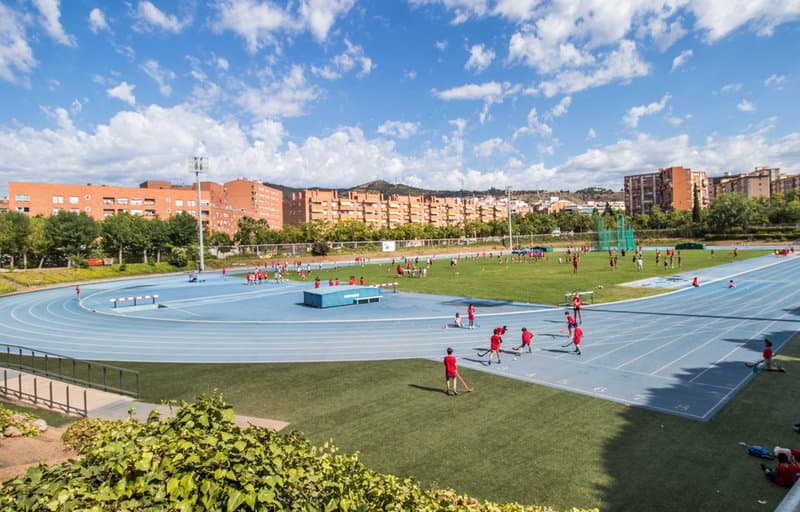
Barcelona’s municipal sports network makes recovery easier to integrate into everyday training. The city’s new interactive map for municipal sports centres lets residents search by district, opening times and services, including whether a facility has indoor or outdoor pools. That kind of practical access tool matters because it lowers the friction between exercise and recovery, especially for people who want to build a routine rather than plan an occasional spa outing.
Even the city’s pool policy reflects a changing approach to wellness infrastructure. Barcelona’s municipal open-air swimming pools introduced measures aimed at reducing water consumption by 15% in summer 2024, showing that the city is trying to balance public leisure with resource management. For the recovery market, that is a useful reminder that sustainability now sits inside the same conversation as comfort, performance and access.
Luxury is growing, but so is the question of reach
Recent reporting has pushed Barcelona further into the spotlight as a wellness destination at the premium end. Forbes highlighted the city in August 2024 with a roundup that included float tanks, lymphatic massage and IV therapy, while Time Out’s January 2024 spa guide underlined the breadth of options for massages, saunas and spa days. Together, those guides show a market that is not only expanding in size but also getting more specialized and more polished.
That is where the tension lies. Barcelona’s spa scene clearly broadens the definition of fitness by making recovery more visible and more available across a range of formats. At the same time, the best-known examples still lean heavily toward premium spending, whether through hotel spas, boutique retreats or destination-level experiences. The city is building a full performance-and-recovery lifestyle, but the price of entry will determine whether that lifestyle becomes a wider habit or remains mostly a luxury signal.
What is undeniable is the direction of travel. In Barcelona, recovery is no longer waiting at the end of the workout. It is becoming part of the workout economy itself, shaped by the city’s history, its sports infrastructure and a wellness market that now expects restoration to be built in from the start.
This article was produced by Prism’s automated news system from verified source data, official records, and press releases, then run through automated quality and moderation checks before publishing. The system is built and supervised by the people who set the standards it runs under. Read our full AI policy.
Did this article answer your question?