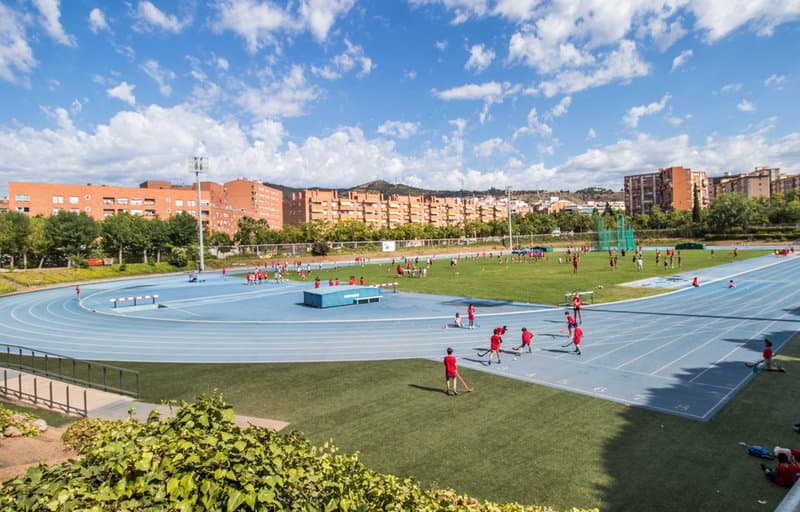
Barcelona to install natural grass at Sant Andreu and Europa stadiums
Barcelona will put natural grass at Narcís Sala and Nou Sardenya while shifting base teams to new training fields, a compromise that keeps both clubs in their districts.
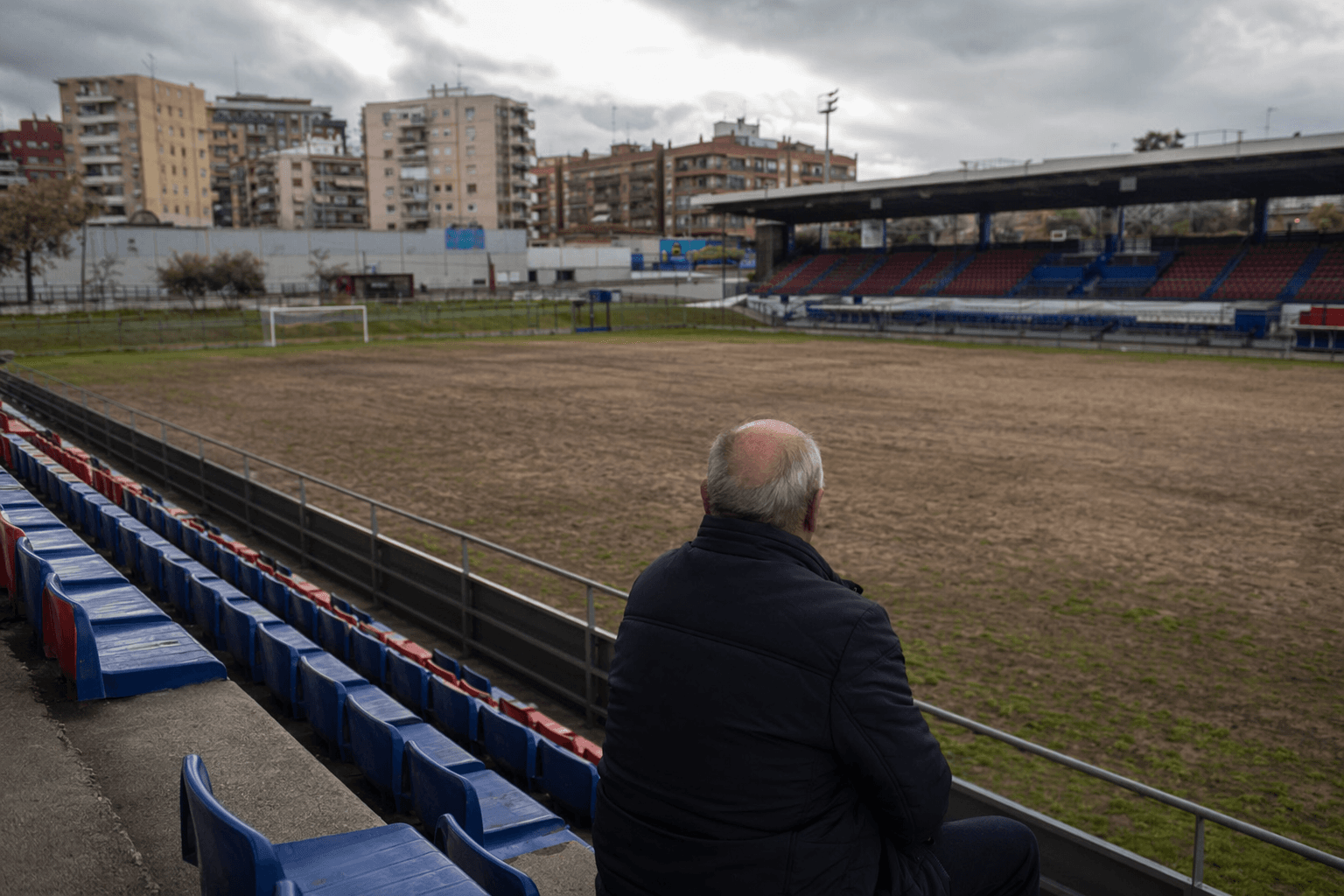
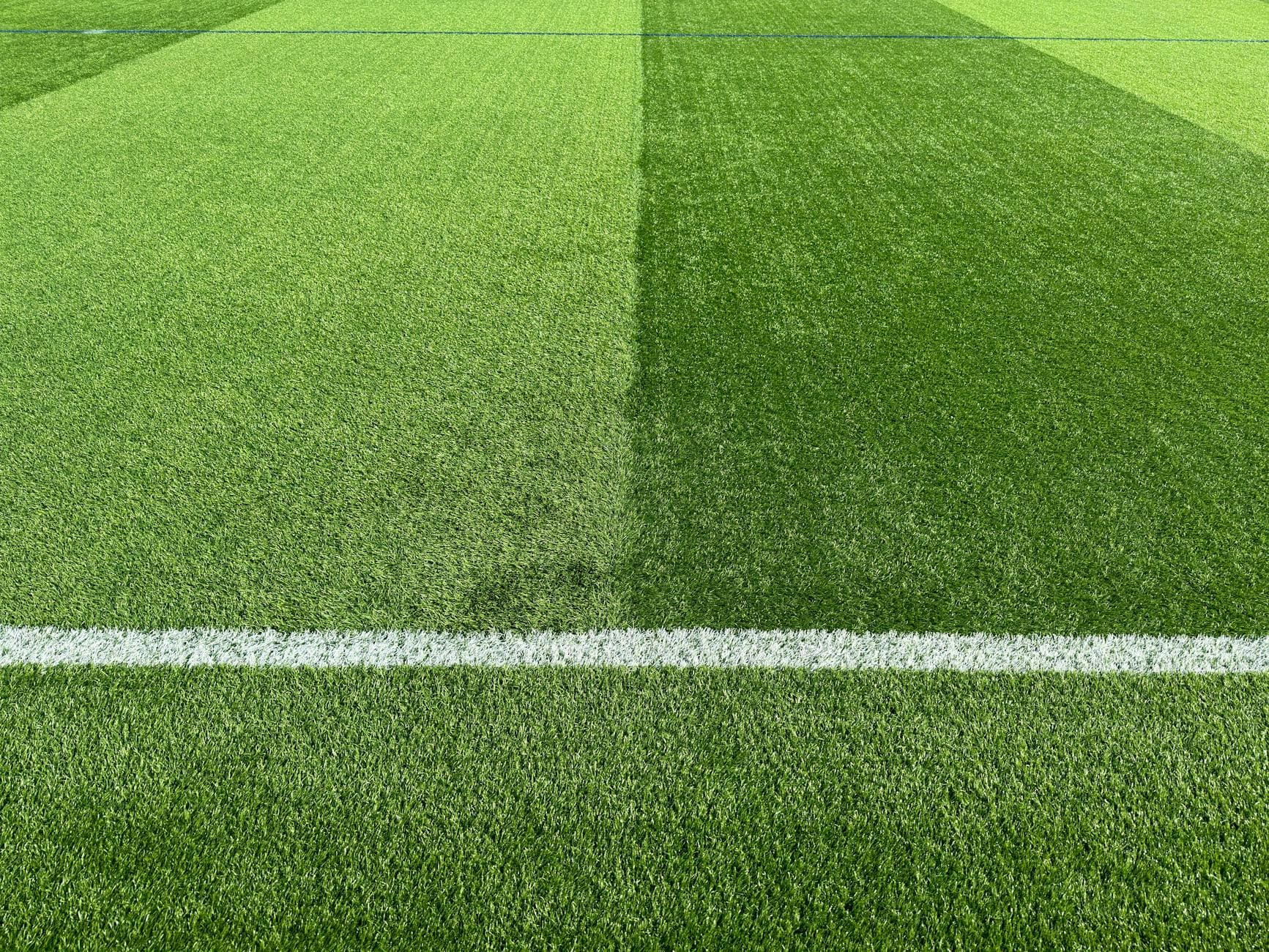
Barcelona’s city government moved to settle one of the city’s most delicate football infrastructure disputes by installing natural grass at Narcís Sala and Nou Sardenya, while redistributing training space for UE Sant Andreu and CE Europa’s base, women’s and inclusive teams. The deal let both first teams keep playing in Primera RFEF at their home stadiums and answered the RFEF’s natural-grass requirement for the division they are set to enter next season.
The arrangement was built around a simple trade-off: elite matchday conditions at the main stadiums, and a broader map of training pitches for the clubs’ everyday activity. UE Sant Andreu’s base teams were assigned to the AISS fields in Bon Pastor and Baró de Viver, while CE Europa’s teams kept the Àliga field and added new training areas in Mundet. For the municipality, the move was not just about two first teams; it also preserved space for youth football, women’s squads and inclusive teams in neighborhoods that have long treated these clubs as part of local life.
The city began the formal steps on 27 April 2026, and the announcement came through Barcelona City Council channels the same day. The District of Gràcia also framed the change as part of a wider effort to adapt to a regulation that has already pushed clubs to rethink where they play and train. The council said it had studied several immediate and longer-term alternatives, and it is also working to change the current grass rule, arguing that the issue touches sustainability, economics, sport and social access.
For CE Europa, the decision drew a line under months of tension around Nou Sardenya. The club’s stadium, opened in 1995, has capacity for 4,000 spectators, measures 100.5 by 62 metres and had artificial turf installed in 2022. The club had already tried legal action to keep its men’s first team at Nou Sardenya for the whole season, but the precautionary measures it sought were not granted.
UE Sant Andreu also entered the talks with some groundwork already under way. Club sources said improvements at AISS had already been completed or advanced, with planned works there involving a 100,000-euro investment and an 85% completion rate on part of the project. That made the training-space swap central to the settlement, not an afterthought.
Barcelona’s answer now looks like a compromise that protects neighborhood identity while meeting competition rules. It also adds usable pitch capacity across Bon Pastor, Baró de Viver and Mundet, showing how a technical requirement can reshape the city’s sports geography without forcing clubs out of Sant Andreu or Gràcia.
This article was produced by Prism’s automated news system from verified source data, official records, and press releases, then run through automated quality and moderation checks before publishing. The system is built and supervised by the people who set the standards it runs under. Read our full AI policy.
Did this article answer your question?