Barcelona’s Magòria redevelopment restarts, works now expected in 2028
Barcelona has reset Magòria again, with works now slated for January 2028 on a 36 million-euro sports-and-services complex in Sants-Montjuïc.

After years of redesigns and missed dates, the real question at Magòria is no longer what Barcelona imagined there, but when residents will actually see it built. The answer now points to January 2028, when works are expected to start on a long-delayed civic campus in Sants-Montjuïc that blends municipal sport, neighborhood services and new public space.
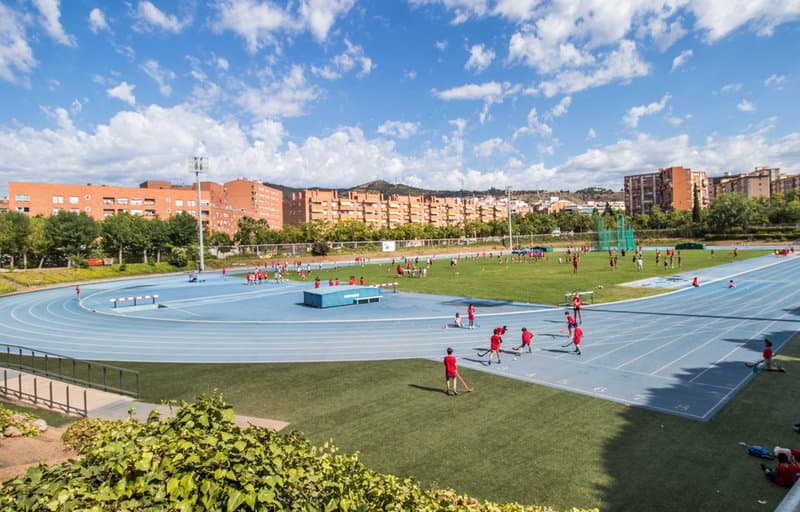
The project is no small patch job. The city has put the future development at about 13,500 square metres and 36 million euros, with sports uses taking 11,622 square metres, or 54.2% of the total. The planned program includes a football 7 pitch, a football 11 pitch, a sports hall and covered pétanque courts, alongside underground facilities for cleaning and Parcs i Jardins. The broader Magòria area covers 21,424 square metres, and the plan is to make it more permeable, opening new links between Carrer del Corral and Gran Via de les Corts Catalanes while turning the Carrer del Moianès frontage into a large green space.
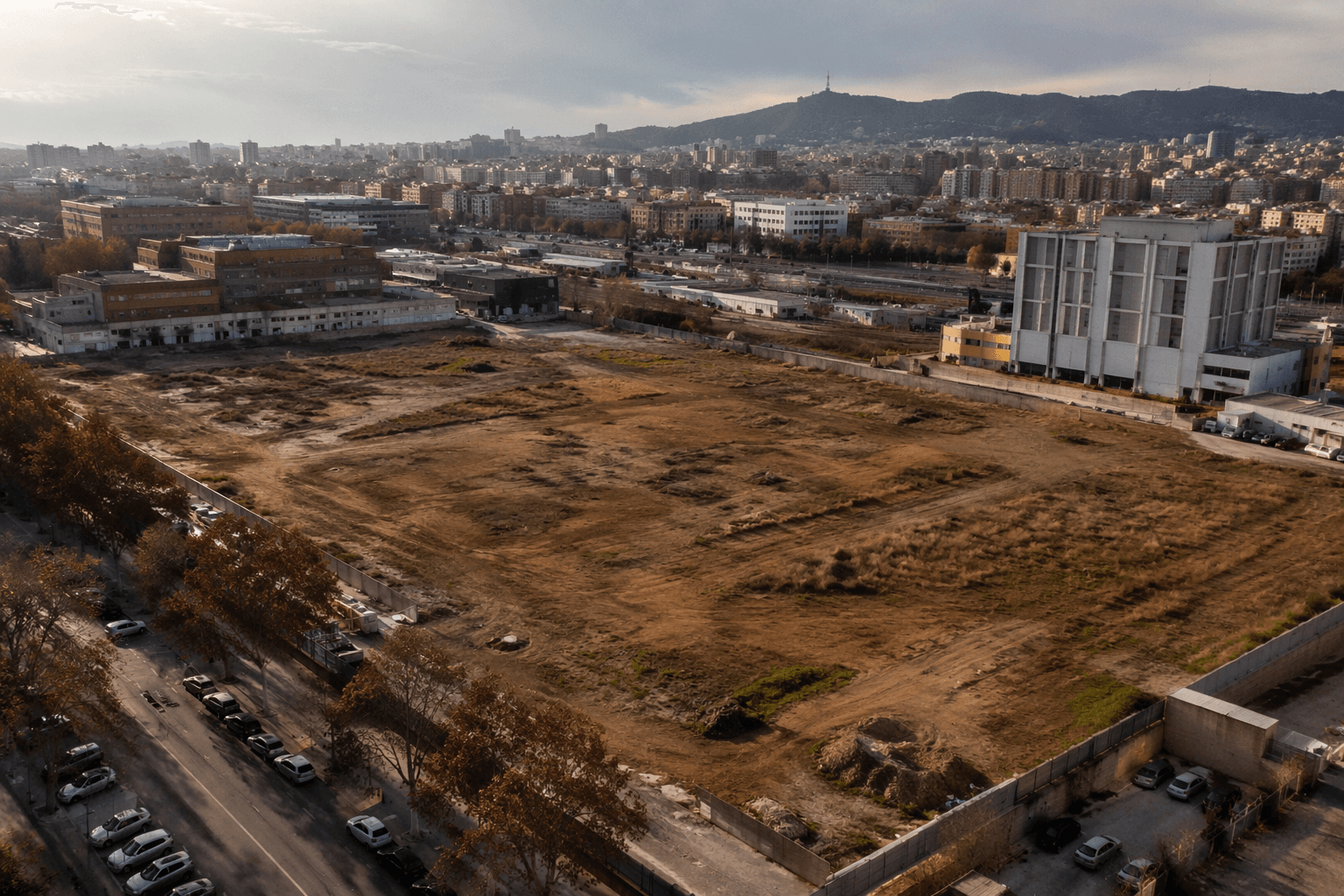
The redevelopment has been public for years. In March 2018, Ada Colau presented Magòria as a new equipment hub with CatSalut and district officials, and the latest municipal tender framed the current competition as the first phase of a wider transformation. The city had earlier said the competition would be resolved in summer 2025 and the winning project would be ready by the end of 2026, but the new schedule pushes the start of construction into 2028. That long drift is part of the Magòria story, where political promises have repeatedly slipped while demand for public sport space has stayed high.
Magòria also carries a heavier local memory than most redevelopment sites. The former station, designed by Josep Domènech i Estapà, opened in 1912 and remained active until 1974; the building still stands and now works as a civic centre. A football field occupied part of the site between 1984 and 2009, and Unió Esportiva de Sants has long campaigned to return to what it sees as its home ground. A primary-care center was inaugurated there in 2014, and a separate Generalitat track for socio-sanitary facilities and dotational housing still has no fixed calendar.
That mix explains why Magòria matters beyond one neighborhood pitch. Barcelona is still trying to solve the same urban problem in a newer vocabulary: how to pair sport, green space and civic services in districts where private fitness growth does not replace municipal infrastructure. If the 2028 timetable holds, Magòria will finally move from promise to construction, and Sants-Montjuïc will gain a much larger public-use anchor than the site has offered for decades.
This article was produced by Prism’s automated news system from verified source data, official records, and press releases, then run through automated quality and moderation checks before publishing. The system is built and supervised by the people who set the standards it runs under. Read our full AI policy.
Did this article answer your question?