Club Pilates España turns instructor training into new revenue stream
Club Pilates España has turned instructor education into a business line, with Barcelona supplying 11 of 21 trainees and helping drive revenue past 110,000 euros.
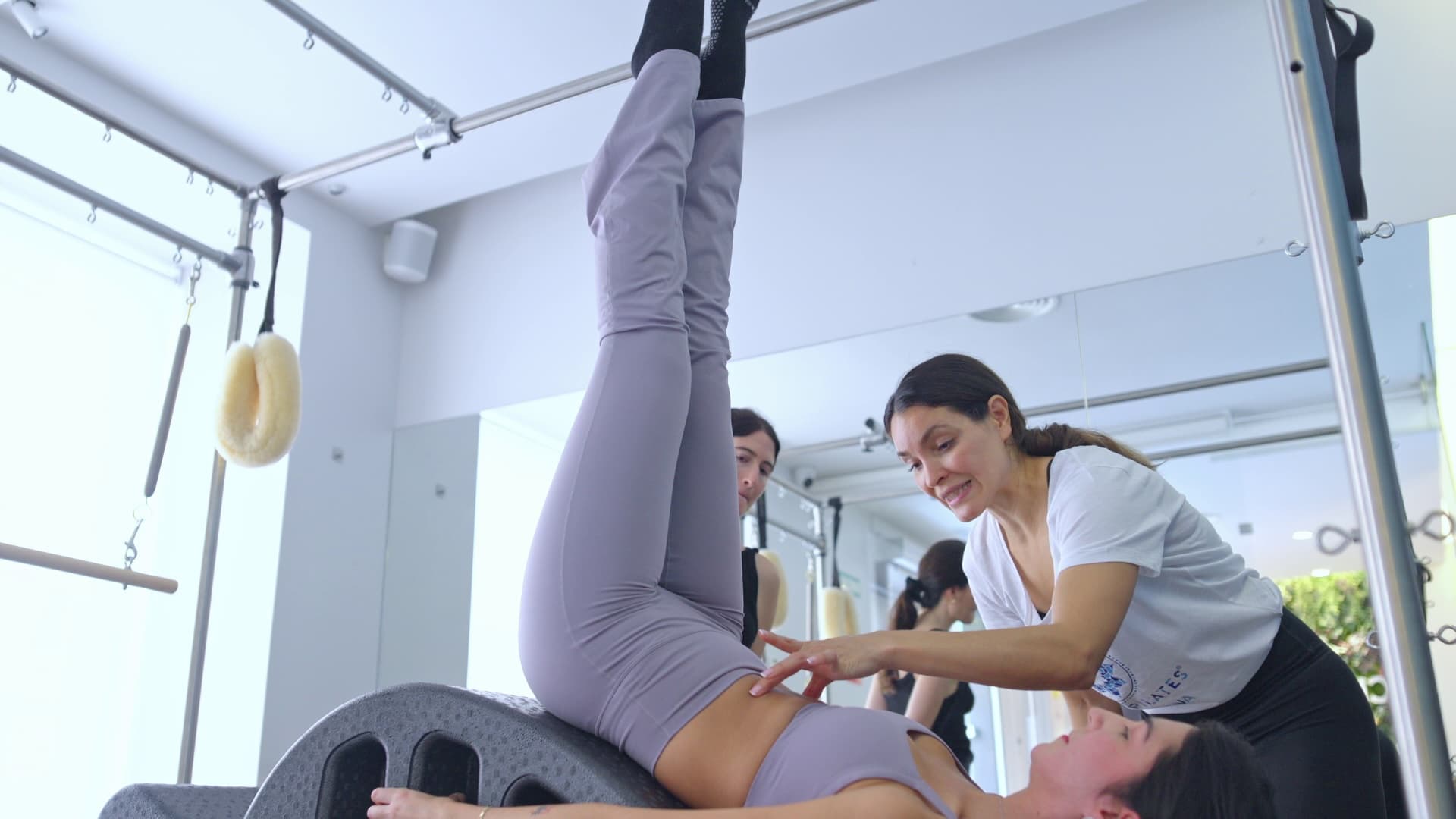
Club Pilates España has turned instructor education from a behind-the-scenes quality check into a revenue engine, and Barcelona has emerged as one of the city’s most important proving grounds. The brand, which operates 33 centers in Spain, said its education vertical closed 2025 with revenue above 110,000 euros, had already reached nearly 100,000 euros by the end of April 2026, and is projected to finish the year at 150,000 euros. The company’s stated ambition is to become Spain’s leading Pilates academy, a sign that training is now part of the growth model, not just the support system behind it.
Sara Saúl has framed the strategy around standards as much as scale. The goal, she said, is not simply to train more instructors, but to train better instructors as Pilates demand rises and clients expect greater expertise, safer progression and more individualized class delivery. That matters in a boutique fitness category where the instructor is often the product: the coaching experience is what keeps members paying, returning and upgrading.
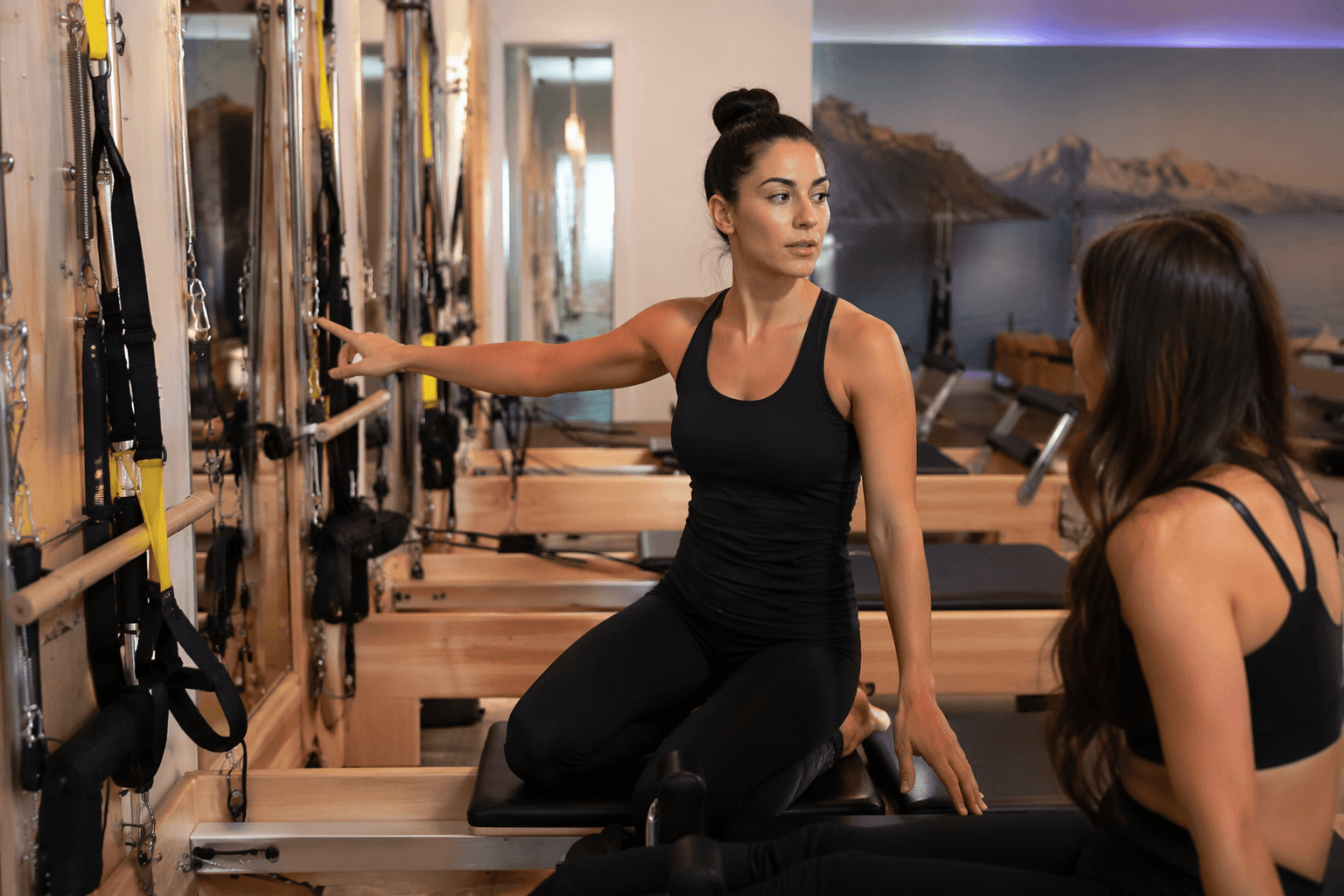
Barcelona sits near the center of that plan. Club Pilates Educación had 21 confirmed students in 2026, including 11 in Barcelona and 10 in Madrid, and the company expects enrollment to approach 60 as more teacher-training editions roll out across Barcelona, Madrid and Bilbao. The city’s role is especially telling because it is not being treated only as a consumer market for classes. It is becoming a talent market, a place where the next generation of instructors is being recruited, trained and filtered into the brand’s Spanish network.
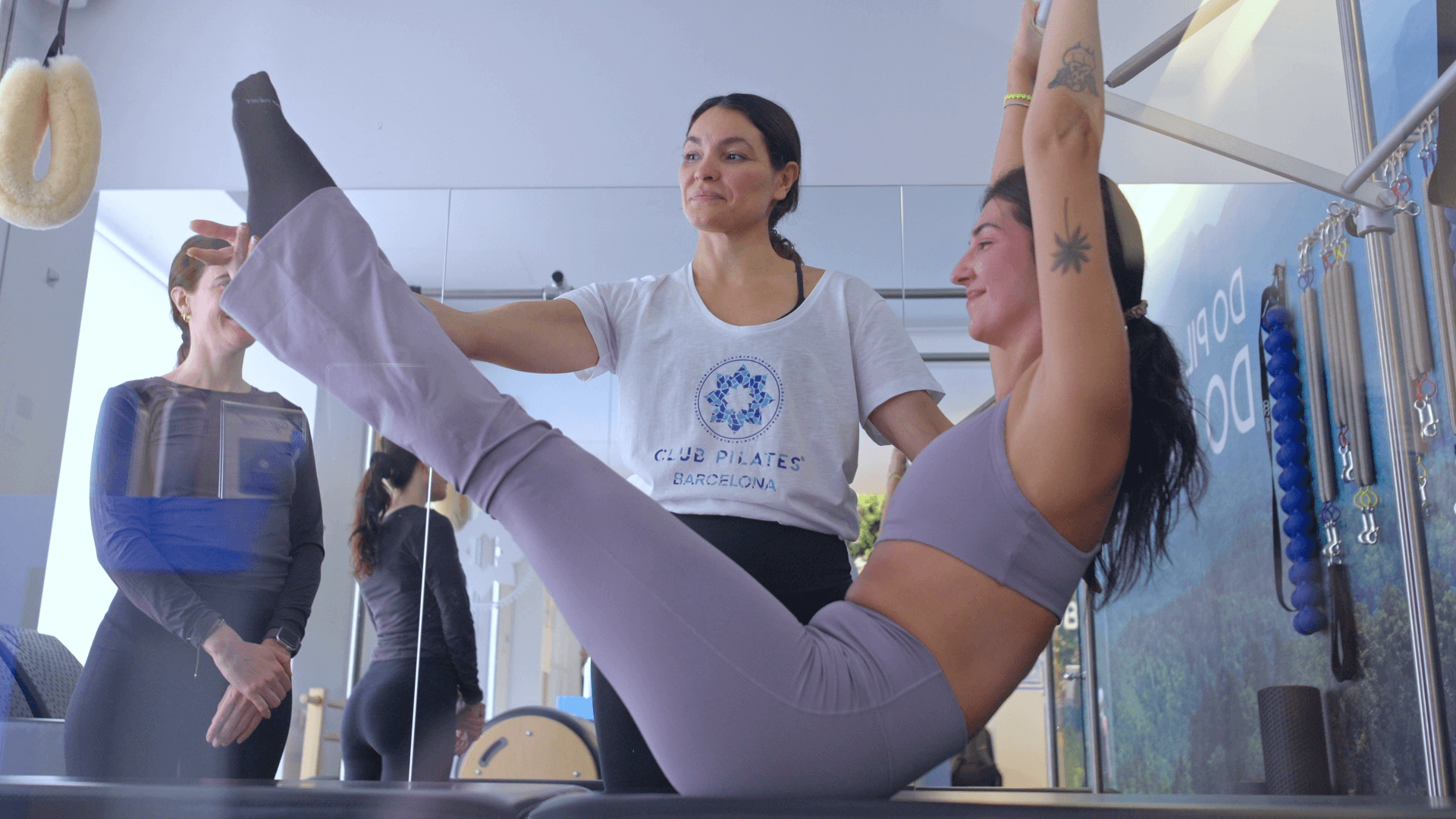
The program itself is built like a serious professional pathway rather than a short certification weekend. It includes 450 hours of training over a minimum of six months, mixing in-person and online instruction with supervised practice, anatomy, progressions, pathology-related content and work on the main Pilates machines. Club Pilates says it has five dedicated master trainers in Spain, a structure that gives the brand enough local instructional capacity to scale while keeping technical standards consistent.

For Barcelona’s Pilates community, that has real consequences. More trainees mean more potential instructors, and more instructors can support additional studios, stronger member retention and a more defensible brand in a market where coaching quality often determines loyalty. What began as quality control is now doing double duty: building the workforce and producing a new line of revenue that may become as important as studio memberships themselves.
This article was produced by Prism’s automated news system from verified source data, official records, and press releases, then run through automated quality and moderation checks before publishing. The system is built and supervised by the people who set the standards it runs under. Read our full AI policy.
Did this article answer your question?