Crunch launches lower-cost reformer Pilates for mainstream gym members
Crunch is rolling out reformer Pilates in 20 gyms across eight states, testing whether boutique fitness can go mainstream without losing its pull.
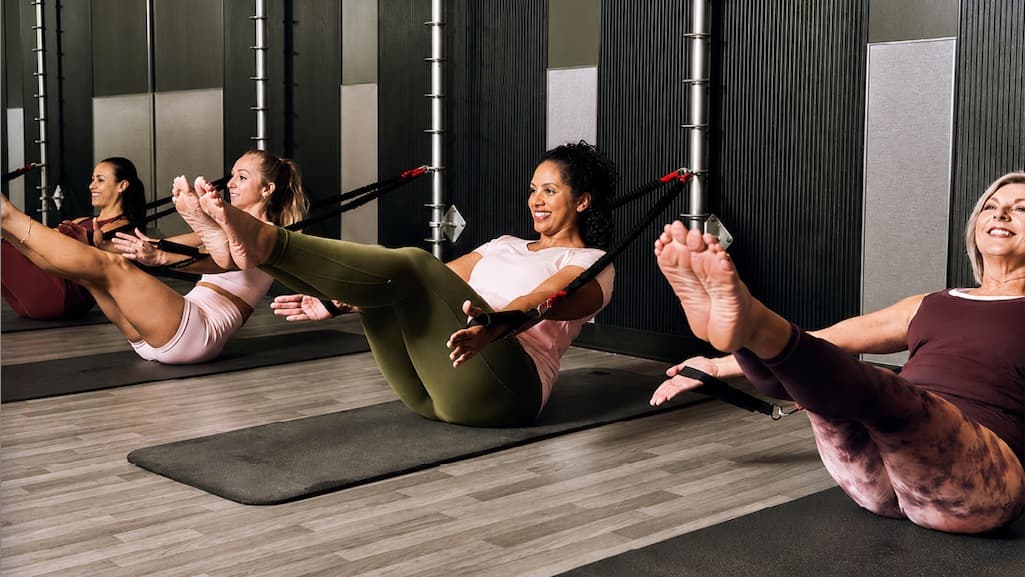
Crunch Fitness is making a straightforward bet: one of boutique fitness’s most in-demand formats can be stripped of its premium pricing and still keep its appeal. The chain launched Crunch Reform Pilates on June 2, rolling the instructor-led class into a mainstream gym setting that mixes hands-on coaching with integrated digital guidance.
The first phase spans 20 Crunch locations across California, Florida, Texas, Arizona, Nevada, Illinois, Colorado and Michigan. That footprint matters because the concept is not being tested as a one-off studio side project. Crunch is positioning reformer Pilates as part of the club toolkit, a signal that the format has moved from niche add-on to strategic necessity for operators trying to widen their audience without rebuilding their brands from scratch.

The timing reflects how hot Pilates has become. In its 2025 Look Back Report, ClassPass said Pilates was the most-booked workout worldwide for the third year in a row, with bookings up 66% year over year and more than 27 million global searches. A few days after Crunch’s announcement, Peloton said it had acquired Skōp, a Pilates-focused startup, adding another high-profile vote of confidence in a category that now reaches from connected fitness to big-box gyms.
Barcelona is already living the version of this story that Crunch is trying to import. Reform Pilates studios are established in neighborhoods including Gràcia and Eixample, and the city’s studio listings show a dense market with multiple options across central districts. One Gràcia studio, PILAT3S Gràcia, advertises 16 reformers plus changing rooms and showers, a reminder that local competitors are still selling Pilates as an experience, not just a class.
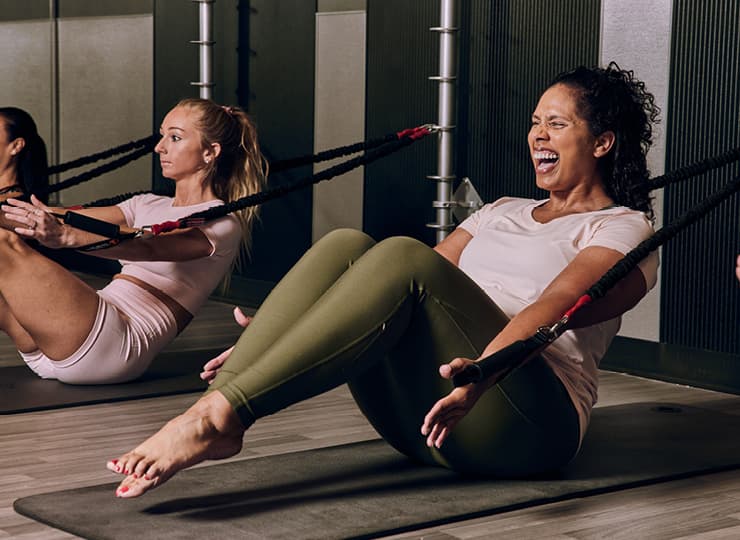
That is the tension Crunch now steps into. A lower-cost reformer model could expand access and pull more members into Pilates without asking them to pay boutique-studio prices. But in Barcelona, where independent studios compete on expertise, atmosphere and premium facilities, it also raises the question of what gets lost when a format built on scarcity and specialization is scaled inside a generalist club. For gyms looking to defend their turf, the answer may be hybridization: keep the broad membership model, then add the kind of training customers have shown they will pay extra for.
This article was produced by Prism’s automated news system from verified source data, official records, and press releases, then run through automated quality and moderation checks before publishing. The system is built and supervised by the people who set the standards it runs under. Read our full AI policy.
Did this article answer your question?