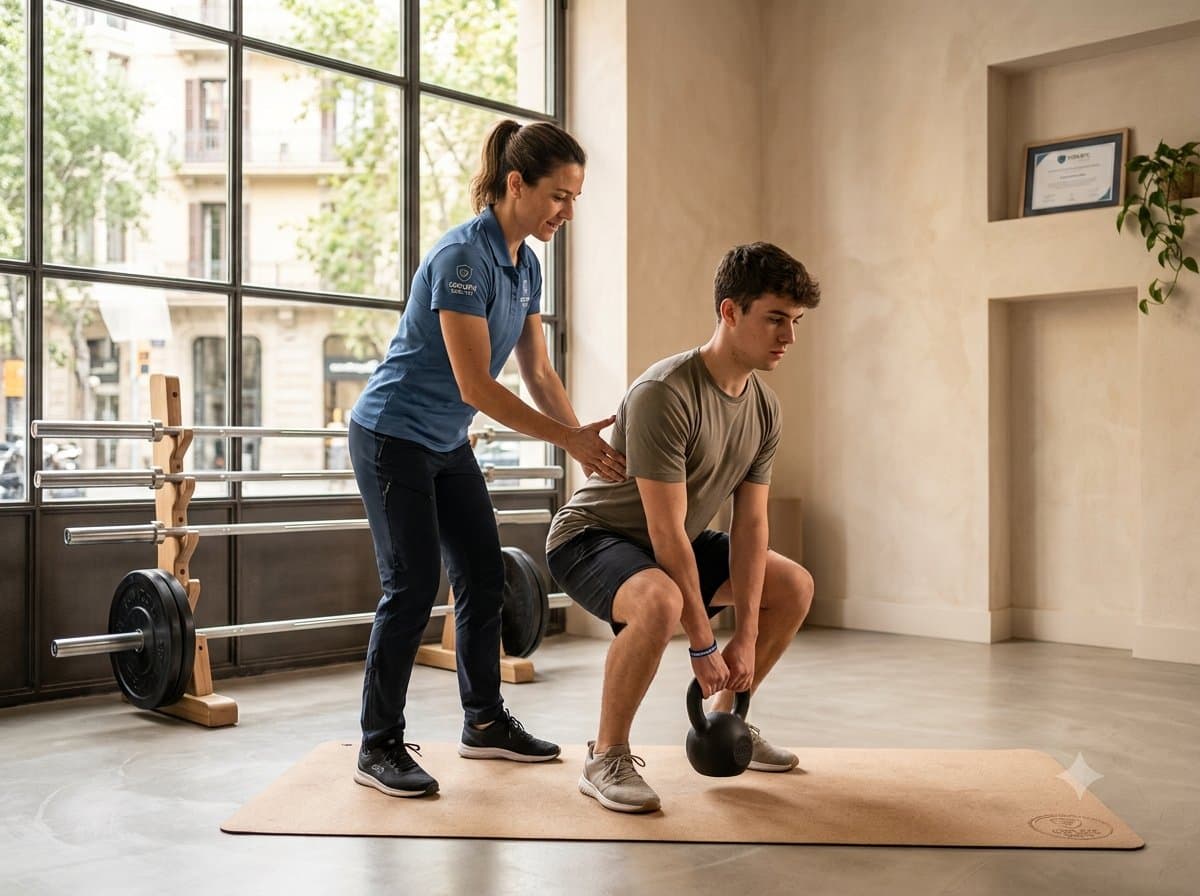
Ágora leads bid to operate Barcelona’s new CEM La Sagrera
Ágora was put first for Barcelona’s new CEM La Sagrera, a €42.9 million, 15-year concession that could reshape access, pricing, and public sport programming.

Ágora Meeting Sports Place was proposed as the winning bidder to operate CEM La Sagrera, Barcelona’s new public sports center, in a €42.9 million concession running 15 years with no extensions. The bid scored 89 points, eight more than Forus, and would give Ágora its first managed facility in Catalonia if the award is finalized.
The project matters well beyond one gym opening. CEM La Sagrera sits on the boundary between Sant Andreu and La Sagrera and is being treated as a major public asset for the district. Ágora’s proposal stood out for pairing a larger-than-required investment commitment with an operating model built around fitness, activity programming and complementary services, a combination that reflects how Barcelona’s municipal sports network is increasingly being shaped through long-term concessions rather than only through private club expansion.

If the contract is confirmed, the operator would need to put more than €5 million into the facility. That capital requirement is matched to a business plan built for scale: the viability study behind the tender estimated revenue of €1.6 million in the first year, climbing to more than €3.4 million by the final year of the contract. The center is expected to serve about 5,559 subscribers, roughly 30% of surrounding demand potential, which gives the city a clear measure of how much room remains for new users and how sharply the site may compete for local memberships.
The public share of the economics is just as significant. Ágora proposed an annual fee equal to 4.5% of subscription income, above the 2% minimum required in the tender. Barcelona would also retain 75% of net profit, a structure that could return more than €1.3 million to the city over the life of the contract if projections hold. That arrangement ties the center’s commercial performance directly to public revenue, while still leaving the operator room to push memberships, classes and ancillary sales.
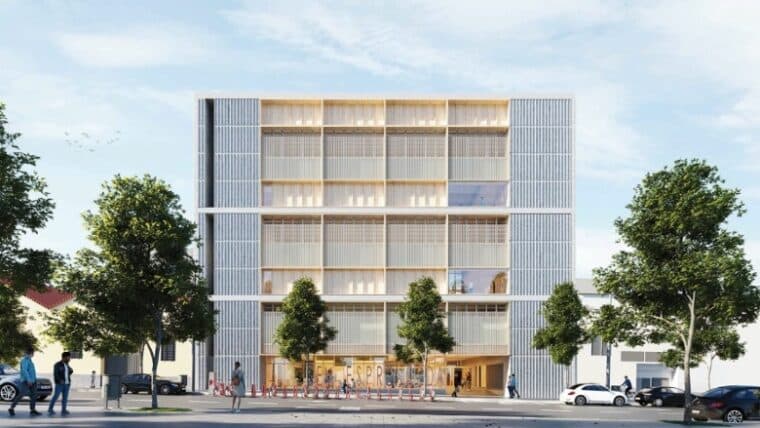
The first five years would also test how much demand Barcelona can absorb without a covered pool. The initial phase does not include a roofed aquatic area, so the commercial emphasis would fall on fitness, group classes and padel before the aquatic offer is completed later. For residents and rival operators alike, that phased rollout is the clearest signal of where Barcelona is placing its bets: heavy use of the gym floor first, water features later, and a concession model that asks one operator to balance access, programming and profitability from day one.
This article was produced by Prism’s automated news system from verified source data, official records, and press releases, then run through automated quality and moderation checks before publishing. The system is built and supervised by the people who set the standards it runs under. Read our full AI policy.
Did this article answer your question?