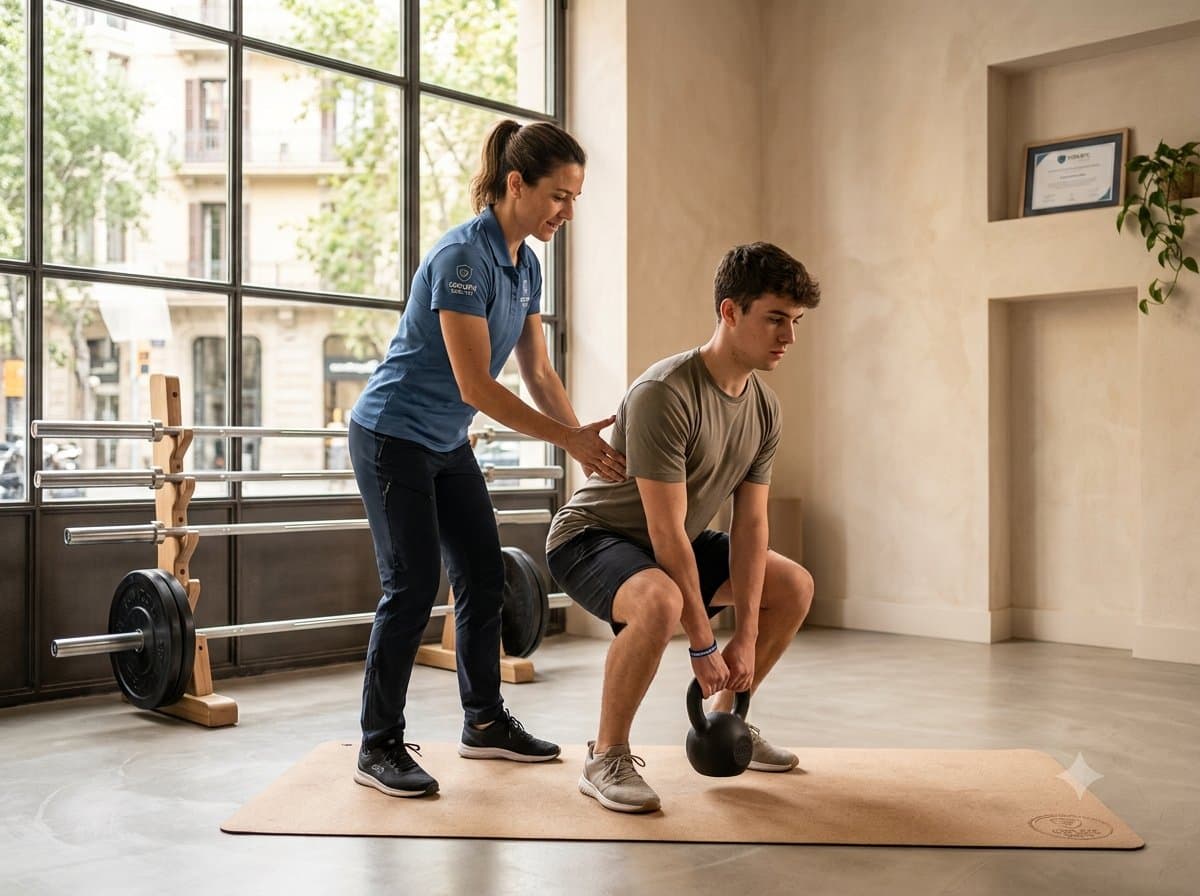
Barcelona Activa maps fitness jobs as city sports network grows
Barcelona’s fitness boom is also a hiring map: the city is building jobs in coaching, aquatic work, lifeguarding, and wellness support, with free certification routes to match.
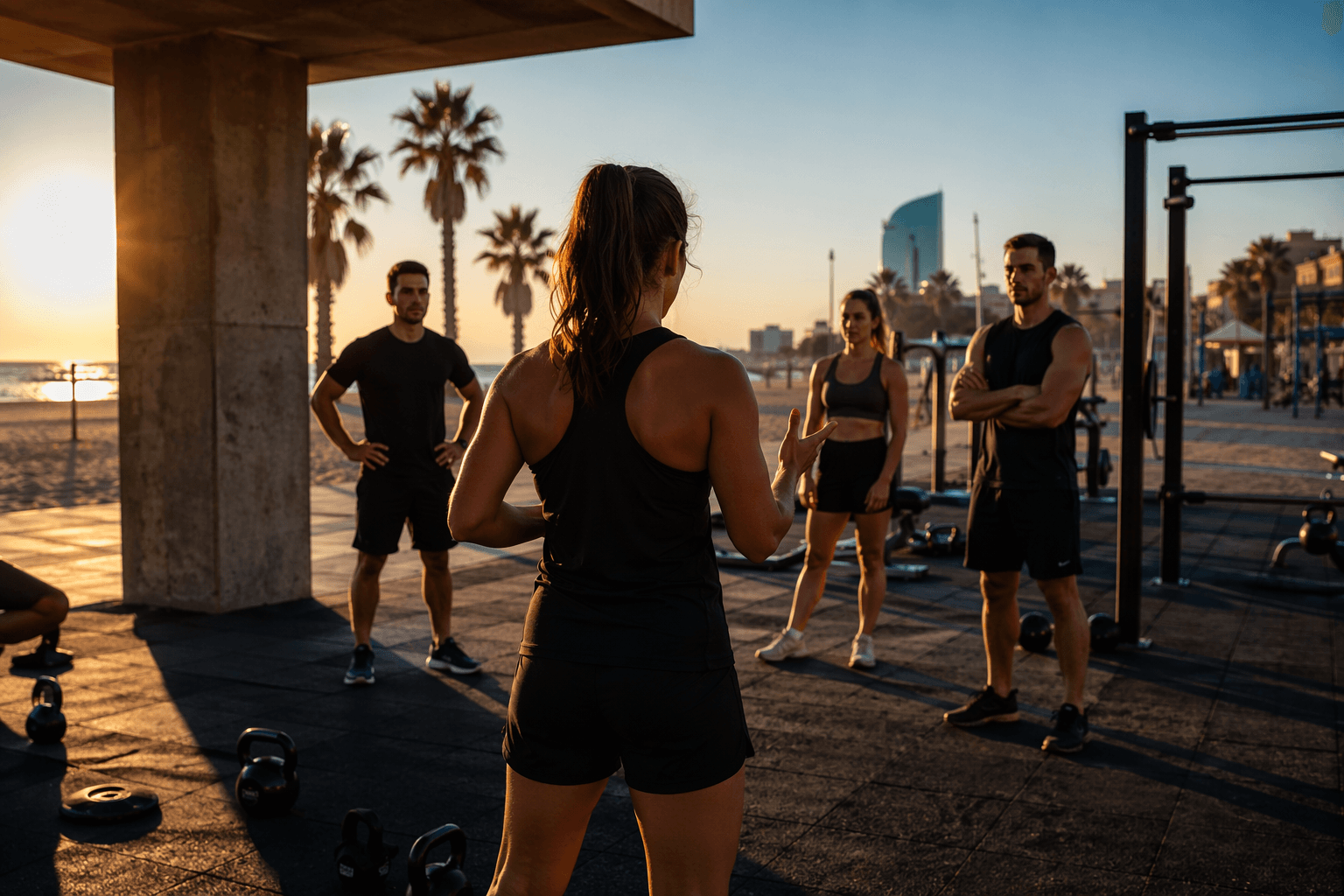
Barcelona’s sports portal currently shows 1,253 sports-facility results across gyms, pools, studios, and municipal facilities. The city’s Sports and Wellness sector page maps how activity, therapy, and service roles connect to real employment. If you want to work in Barcelona fitness, the fastest route is not guessing which trend is hot. It is understanding where the city needs trained hands, what credentials count, and how public systems can get you there.
The jobs are broader than the gym floor
Sports and wellness work in Barcelona spans physical, psychological, and emotional support roles, and that is why the hiring market is wider than most people assume. The main paths include yoga instruction, conditioning in multipurpose training rooms, aquatic fitness and hydrokinesis, swimming activities, group conditioning with music, leisure and sports animation, and lifeguarding. Those are not side niches. They are the working parts of a city where exercise is delivered through classes, pools, recreation programs, and community-facing facilities.
The sector also reaches beyond direct instruction. The same ecosystem includes event staffing, equipment specialists, alternative wellness methods, and recreational sport coordination. In practice, that means one city can generate jobs for the person leading a mobility class, the technician keeping gear usable, the coordinator booking sports programming, and the lifeguard responsible for water safety.
Credentials are the entry ticket
The cleanest route into these jobs runs through formal education and professional certificates. Barcelona Activa’s professional-certificate service, working with the Barcelona Education Consortium and the Catalan Employment Service, offers a free service that recognizes skills gained through work experience, civic participation, or unofficial training. Many people in the sector build experience before they ever collect a formal paper trail.
In January 2024, Barcelona Activa’s new certification information point joined 200 authorised centres across Catalonia that certify professional skills. Prior work in studios, pools, camps, municipal programs, or volunteer sport settings does not have to disappear into the background. It can be converted into something employers and institutions can verify.
- Match your existing experience to a certificate path.
- Use recognized professional certification to formalize what you already do.
- Target roles that clearly value supervised practice, safety, and group management.
A practical approach is simple:
Demand is strongest where the city already has infrastructure
Barcelona has a wide network of municipal sports facilities. Demand is not concentrated in one type of employer. Municipal sports centers, private clubs, boutique studios, hybrid wellness concepts, and aquatic facilities all need staff, and they do not need exactly the same skill set.
The strongest demand tends to sit in jobs that combine instruction with safety and operational discipline. A yoga teacher can be strong on sequencing and cueing, but the city also needs people who can manage a room, handle different ages and ability levels, and work inside larger public systems. Aquatic roles, swimming activities, and lifeguarding are especially useful pressure points because they sit at the intersection of service, supervision, and risk control. If a facility wants to expand activity offerings, it needs coaches who can keep classes safe and consistent, not just popular.
The city studies participation, and that shapes hiring
Barcelona’s Sport and Physical Activity Observatory periodically studies sports practice among school-age residents and adults. Sport policy in Barcelona is not just about building places to exercise. It also tracks who uses them, how often they use them, and which groups are still under-served.
Children, adults, and older users do not all need the same class format or the same level of supervision. A city that watches participation patterns closely needs instructors, coordinators, and support staff who can work across age groups and ability levels.
Spain’s wider fitness market gives Barcelona its job base
Barcelona’s local labor market sits inside a much larger Spanish sector. An OBS Business School report put Spain’s sport and fitness sector at 3.3% of Spanish GDP in 2022 and at more than 400,000 jobs. The same report counted 4,561 gyms serving 5.4 million users. Barcelona does not grow in isolation. A city with deep club culture, heavy municipal infrastructure, and a dense fitness audience is drawing on a national market that already employs a large workforce.
The user base is not evenly spread either. The OBS report put gym attendance at 16.5% of Spain’s population, including 40% of people ages 14 to 24 and 20% of people over 54. That age spread helps explain why employers need programming for young adults, older adults, and everyone in between. The report expected the sector to keep growing in 2024, but more moderately.
Part-time work and high education both shape the field
Eurostat-based 2024 sport-employment statistics for Spain show that 40.2% of sport employment is female and 59.9% male. They also show that 43.9% of workers in sport occupations are part-time, while 51.2% have high education levels. Those figures help explain the operating logic of the sector: staffing is flexible, credentials matter, and many roles are built around blended schedules rather than fixed full-time posts.
The more your experience can be documented, certified, and linked to a specific service need, the more employable you become. In Barcelona, that can mean moving from informal coaching or recreational involvement into recognized work through certificates, or using prior activity in a club, pool, or community setting to qualify for a broader role.
This article was produced by Prism’s automated news system from verified source data, official records, and press releases, then run through automated quality and moderation checks before publishing. The system is built and supervised by the people who set the standards it runs under. Read our full AI policy.
Did this article answer your question?