Licensing crackdown puts Spotify use in gyms under scrutiny
Spotify’s personal-use rules collide with gym life in Barcelona, where boutique studios now face licensing checks, fines and class-format changes.
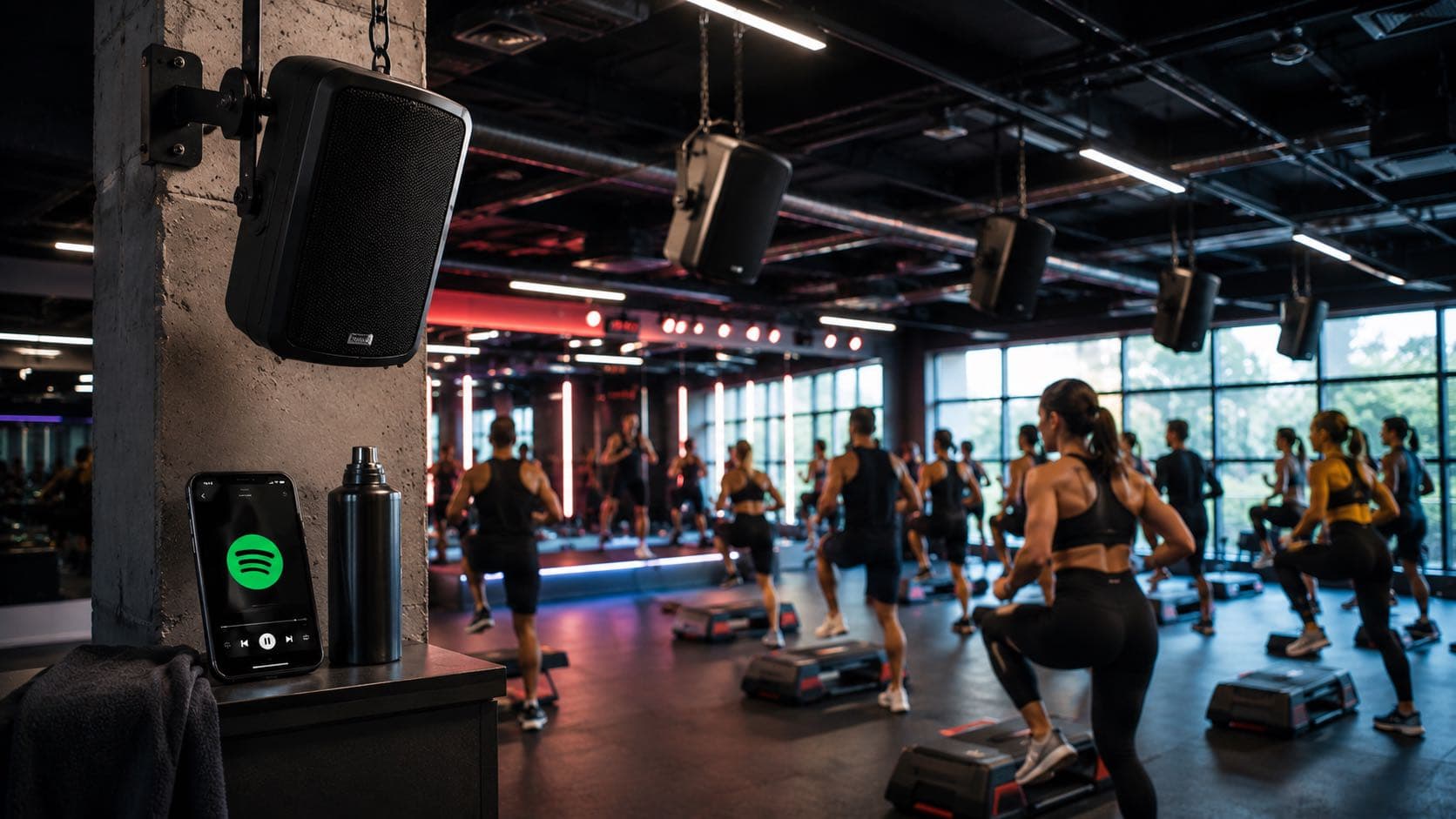
Music has gone from atmosphere to operating risk for gyms, and the sharpest pressure is landing on the independent studios that built their brand around curated playlists. Spotify’s own rules say the service is for personal, non-commercial use and cannot be publicly played in businesses such as bars, restaurants, schools, stores, salons or dance studios. That puts familiar fitness habits, from a trainer’s personal account to a class soundtrack running through Apple Music or Spotify, squarely in the crosshairs when the room is open to paying clients.
In Spain, the licensing path is already there. SGAE’s licensing system lists gimnasios among the business categories that can obtain music rights, while AGEDI-AIE says its Somos Música unit handles licensing and collection for public establishments and events. AGEDI-AIE also says its large-account service under the Somos Música brand began operating on July 1, 2024, a sign that the market has been reorganizing around bigger commercial users. For Barcelona operators, that means music is no longer a casual admin line tucked behind memberships and payroll. It is a compliance item with a formal channel attached to it.
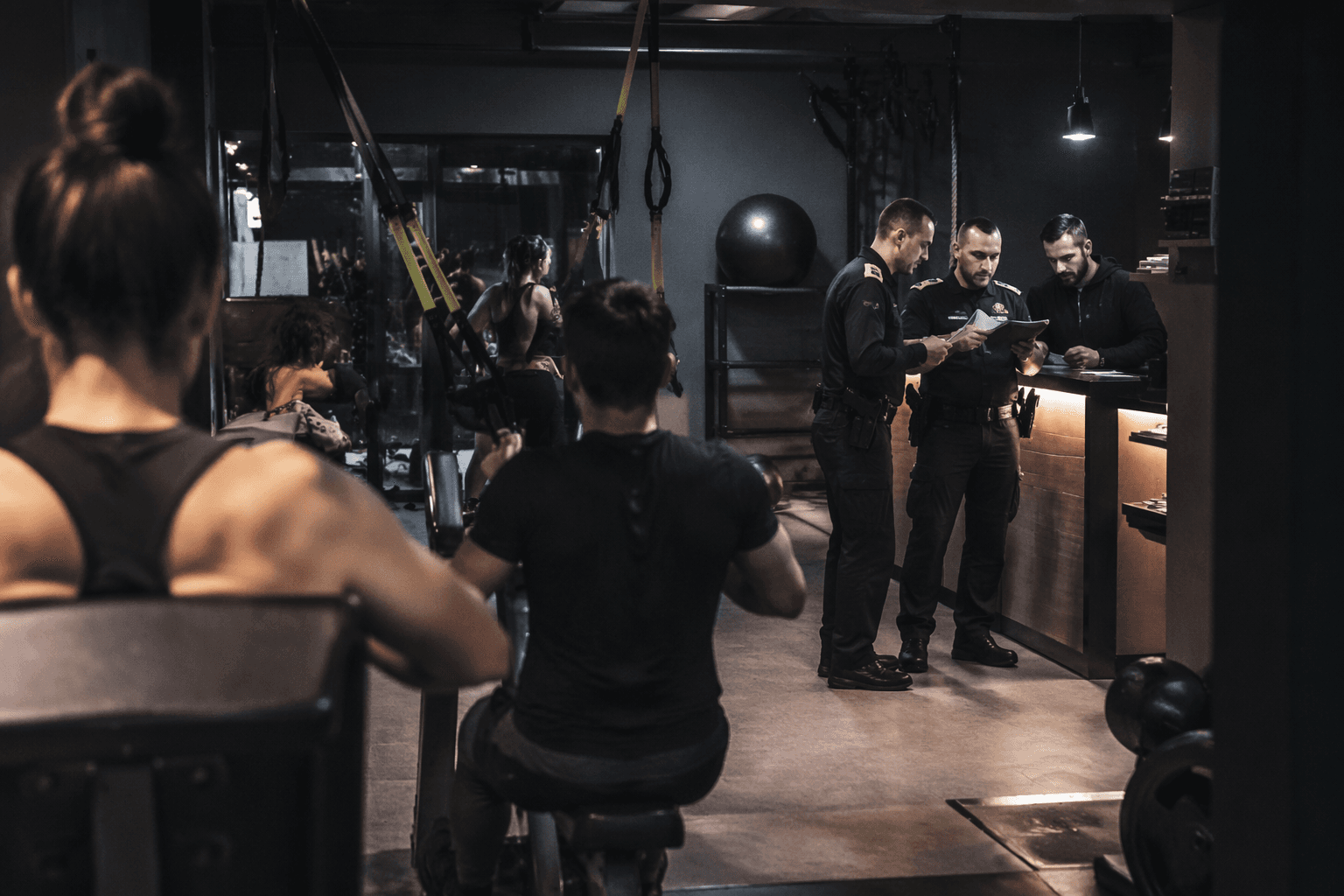
The city’s dense fitness scene makes the issue more acute. Boutique studios, HIIT concepts and group-fitness clubs in Barcelona rely on soundtracks to shape brand identity, class pacing and community energy, which is exactly why the wrong audio setup can create risk fast. SGAE renewed its agreement with FNEID in March 2019, and the deal has applied from 2019 for 10 years, showing that gym music rights have been formalized for years. The difference now is enforcement pressure, with rights organizations, platforms and licensing bodies stepping up scrutiny of commercial use.
The consequences are no longer hypothetical. A Gym Factory report dated January 21, 2026 said an Australian court fine over unlicensed gym music topped A$260,000. Another Gym Factory report from April 8, 2026 said Britain’s GLL was looking to save up to €1 million a year by replacing commercial music with generic audio after licensing costs rose. At the European level, the European Parliament adopted a 2024 resolution arguing that most authors and performers receive very low compensation from the streaming market and calling for a fairer framework, reinforcing the broader squeeze around music monetization.
For Barcelona clubs, the immediate review is practical: check whether any public class still runs on a personal Spotify or Apple Music account, confirm that the venue’s music rights are covered through the proper commercial route, and decide whether to keep paying for licensed music, switch to lower-risk services or redesign parts of the class experience around simpler audio. In a city that sells atmosphere as much as training, the soundtrack is now part of the product, and compliance has become a competitive skill.
This article was produced by Prism’s automated news system from verified source data, official records, and press releases, then run through automated quality and moderation checks before publishing. The system is built and supervised by the people who set the standards it runs under. Read our full AI policy.
Did this article answer your question?