MPG mastermind in Barcelona sharpens leadership for Spanish fitness clubs
Barcelona is becoming a back-room school for gym operators, where MPG’s mastermind turns peer exchange into sharper sales, planning, and growth decisions.
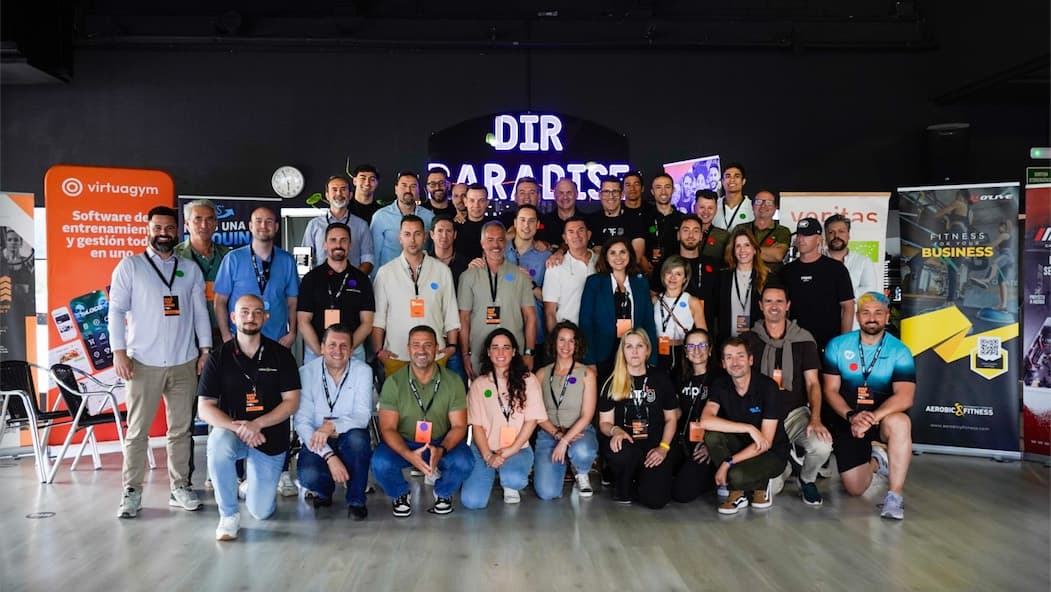
Barcelona is emerging as more than a strong fitness market. It is becoming a management lab, where club owners and senior operators gather to compare playbooks, pressure-test ideas, and leave with concrete commitments for the next quarter.
Barcelona’s new role is behind the front desk
The MPG mastermind held on June 5 and 6 at DIR Paradise Mataró was built for people who run sports centers, not for consumers chasing a new class launch or a social-media spectacle. Gym Factory described it as a strategic meeting focused on high-level management and the evolution of sports centers in Spain, which captures the real shift underway in the city: Barcelona is now a place where operators come to sharpen execution.
That matters because the fitness business is getting denser and more segmented. In that environment, the advantages are not only in equipment or branding, but in how well a club can keep members, price its offer, organize staffing, and decide when expansion is worth the risk. Barcelona’s power lies in being a meeting point for the people making those decisions, a place where the industry’s language is becoming more analytical and more collaborative.
Why the mastermind format keeps spreading
MPG says the Mastermind MPG community was born from a simple problem: running a gym has become increasingly complex, and often too solitary. The format is meant to answer that by bringing together owners and managers who share experiences, receive feedback, set commitments, and then apply those recommendations before the next meeting.
That structure gives the format its competitive edge. Instead of treating management as an individual craft, the mastermind turns it into a shared operating system, where one club’s lesson can become another club’s gain. Nacho Perelló, MPG’s CEO, has framed the value of the community in exactly those terms, saying the experience of one operator can unlock growth for another and that the group is now collaborating strategically rather than competing in isolation.
For Spanish fitness clubs, that shift is especially relevant in a market where the hardest problems are often the least visible. Retention, pricing discipline, staffing choices, and expansion planning all live behind the front desk, but they decide whether a business can scale. The mastermind model gives operators a place to think through those problems with peers who understand the pressure of making the numbers work.
Inside the June 5 and 6 program
The Barcelona meeting was not just a conversation circle. Its first day centered on Q2 2026 planning, individual presentations, and a formal commitment exercise called “Cápsula del tiempo,” which gave the event a practical rhythm rather than a purely inspirational one. That kind of structure is telling: the group is not simply swapping stories, it is setting targets and asking members to carry those targets forward.
The agenda also included “WOD-67B Pivot,” a workshop focused on helping clubs adapt commercial strategy to market fluctuations. That topic goes straight to the heart of what operators are dealing with now, from changing demand patterns to the need for more flexible sales thinking. When market conditions move quickly, the clubs that adapt fastest are often the ones that keep their leadership teams in constant dialogue.
A sales roundtable added another layer of specificity, with Jordi Bonich of TRIB3 and Enrique Maeso of Sport Consulting taking part. Their presence underscores the mastermind’s blend of peer learning and operator-grade tactics: this is not abstract management theory, but a working session about how clubs sell, position themselves, and stay competitive in real conditions.
A growing calendar across Spain
Barcelona was the second in-person meeting of 2026 for the community, which shows that MPG is building a recurring live format rather than staging a one-off conference. Earlier, in January 2026, Valencia hosted the first in-person event of the year for the group. Before that, MPG’s first in-person mastermind took place in Madrid in 2025 and brought together more than 30 sector leaders.
That sequence matters because it shows how the community is scaling. Madrid established the model, Valencia kept it moving, and Barcelona gave it another high-profile setting in which to deepen the conversation. The result is a network of operator-only gatherings that now function as a parallel track to the industry’s bigger public events.
There is also a regional logic to that calendar. Spain’s fitness sector is large enough to support both mass-market trade shows and smaller executive circles, and the mastermind format sits squarely in the latter category. It is less about visibility and more about trust, repetition, and accountability.
Why this matters for the broader fitness scene
The Barcelona mastermind also helps explain why the city is gaining weight as a strategic hub, not just a consumer destination. Owners and managers from across Spain are using it to compare management approaches, discuss sector challenges, and strengthen business vision through shared experience. That is a different kind of market power, one that comes from helping leaders make better decisions rather than simply attracting more members through the door.
The broader event ecosystem points in the same direction. MPG’s coverage of SOMA Fitness & Wellness Show says the Valencia event will run from May 7 to 10, 2026, with more than 150 brands and manufacturers and more than 100 already confirmed. Large gatherings like that set the commercial stage for the industry, while smaller mastermind meetings like Barcelona handle the human side of the business: how operators think, adapt, and lead.
That combination is what makes the current moment interesting. In a competitive fitness market, the clubs with the strongest education networks are not just learning faster. They are building habits of leadership that can show up in retention, pricing, staffing, and growth long after the meeting room empties out.
This article was produced by Prism’s automated news system from verified source data, official records, and press releases, then run through automated quality and moderation checks before publishing. The system is built and supervised by the people who set the standards it runs under. Read our full AI policy.
Did this article answer your question?