PureGym pilot shows recovery could become fitness clubs’ next revenue stream
PureGym’s two-club recovery pilot turns recovery into a paid service test, and Barcelona clubs may soon have to decide whether to copy it or outprice it.

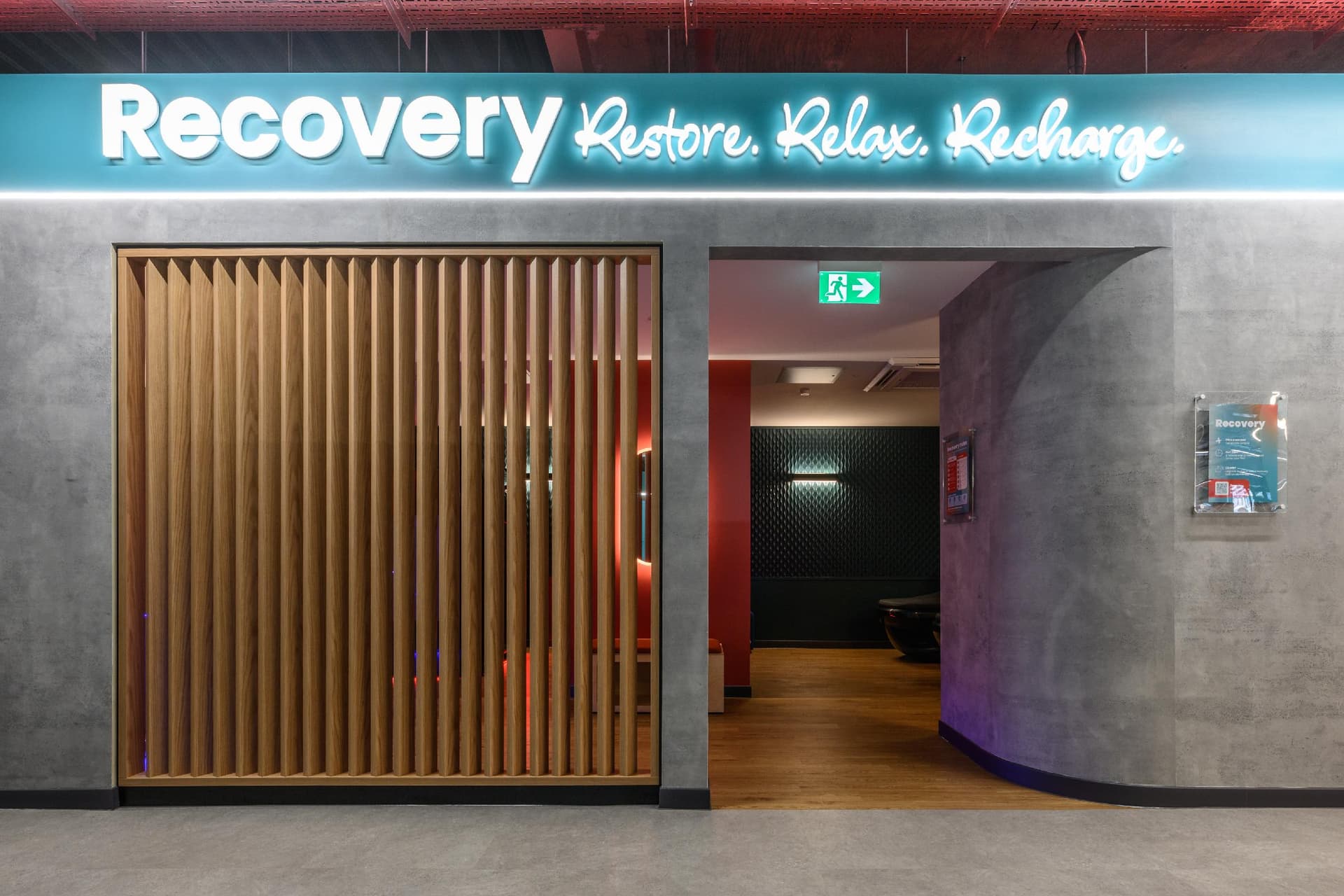
PureGym has begun testing automated recovery zones in two UK clubs. The small pilot carries a much larger signal: the time after a workout may soon matter almost as much as the workout itself. For Barcelona clubs, that raises a blunt commercial question: can recovery spaces justify higher average revenue per user, help crowded clubs stand apart, or simply condition members to expect yet another paid add-on?
Recovery moves from perk to product
Recovery has traditionally sat in the margins of gym life, as stretching space, a massage gun in the corner or a premium amenity for full-service operators. Here, PureGym is packaging it as a standalone service line with its own user journey, pricing potential and operational role inside the club.
That shift fits the company’s recent growth pattern. In its 2025 full-year results, PureGym said it opened a record 60 new organic gyms, ended the year with 714 gyms and 2.282 million members, and grew revenue 23 percent to £742.4 million. Average revenue per member rose 4 percent to £26.29, a useful marker for any operator watching where extra spend is coming from and how far a low-cost model can stretch without losing its identity.
PureGym launched “Feel PureGym Good” in FY25, tying the business more explicitly to post-workout wellbeing rather than only access to equipment and floor space. Framing recovery as part of the training cycle makes it easier to sell than a luxury bolt-on.
Why the pilot matters now
PureGym’s chief operating officer Rebecca Passmore said the company is always looking to keep abreast of trends and add the best value for members. The pilot tests recovery zones as part of a broader member-experience upgrade, not as a one-off experiment. The company is also piloting reformer Pilates in Denmark and considering women-only spaces across its UK estate, which places recovery inside a wider portfolio of amenities aimed at changing how members use the club.
PureGym is testing those amenities during a period of operating momentum. In its Q1 2026 trading update, the company said revenue reached £194 million, up from £183 million a year earlier, adjusted EBITDA rose to £56 million from £45 million, the estate expanded to 721 sites and membership climbed to 2.49 million. PureGym also said it remained on track to open more than 60 new sites in 2026 across the UK, Switzerland and the United States.
That growth gives the operator room to test new formats without making them central to the model overnight, and enough scale to see whether post-workout services can raise spend, improve retention or both.
What Barcelona operators should watch
Barcelona is exactly the kind of market where this test could matter. Spain’s fitness industry generated a record €3.24 billion in revenue in 2025 and reached 8.3 million users, while Barcelona is increasingly treated as a proving ground for a market moving toward personalization, wellbeing and longevity rather than simple equipment access.
The city already has a deep premium layer of clubs with saunas, jacuzzis, massage and beauty services, so recovery is not a foreign concept here. The real question is whether mid-market operators can productize recovery in a way that feels modern and scalable instead of expensive and spa-like. If the answer is yes, automated zones could give clubs a way to compete on more than square meters, machine count or introductory price.
There is also a distinctly urban case for recovery in Barcelona. Members are balancing work, commuting and irregular schedules, which makes the promise of faster recovery and more sustainable training habits commercially attractive. Helping members train, recover and come back sooner is a way to increase visit frequency and keep the member inside the club’s ecosystem for longer.
- Can recovery lift average revenue per user without turning the club into a premium destination?
- Can it differentiate a crowded local market where equipment and class calendars already look similar?
- Or does it train members to expect another paid extra on top of membership fees?
For operators, the immediate strategic test is simple:
A broader shift in gym economics
Recovery is moving into the low-cost mainstream. Recovery services such as cold plunges, red light therapy and compression therapy are being adopted more widely by gyms, with dedicated relax-and-recover zones appearing at operators including Crunch Fitness and Life Time.
This article was produced by Prism’s automated news system from verified source data, official records, and press releases, then run through automated quality and moderation checks before publishing. The system is built and supervised by the people who set the standards it runs under. Read our full AI policy.
Did this article answer your question?