Acetaminophen overdose case highlights risks of self-administered ethanol enema
Self-administered ethanol enemas can cause lethal rectal alcohol absorption, and the Cureus case lands beside standard NAC treatment for acetaminophen overdose.
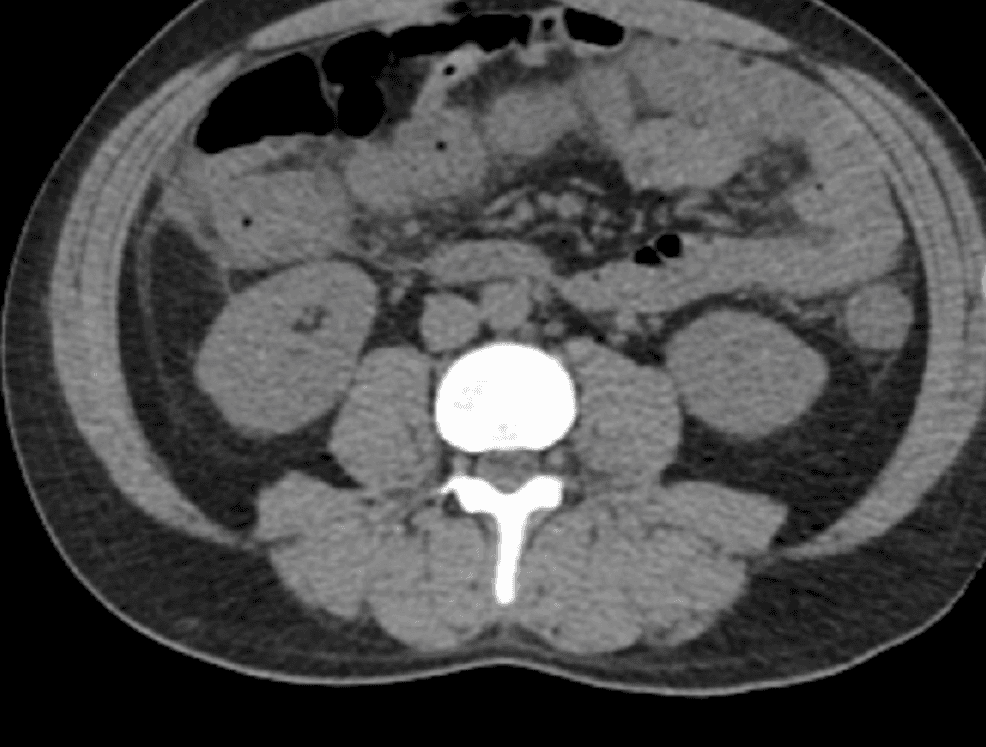
On July 23, 2026, Cureus listed a case report by Amisha Ghotra, Nina K. Mangat and Yitzhak Twersky pairing acetaminophen overdose with a self-induced ethanol enema. Acetaminophen overdose is treated with N-acetylcysteine, or NAC, while rectal ethanol exposure has already been linked to fatal intoxication and chemical proctocolitis in published case literature.
Acetaminophen still drives the liver-risk side of the chart
Acetaminophen is a widely used medicine that can become dangerous in overdose. NAC is at the center of care for acetaminophen poisoning in FDA and MedlinePlus guidance and in background reviews in PMC and StatPearls, which is why the overdose piece of any mixed exposure remains clinically urgent even when another substance is involved. The key issue is not just how much acetaminophen was taken, but whether the patient reaches care early enough for antidotal treatment to be effective.
That standard approach is why the overdose component cannot be blurred by the unusual ethanol route. Acetaminophen toxicity is a familiar toxicology problem with a familiar antidote, and the case report draws attention to how a second exposure can complicate the history without changing the basic need to assess liver injury risk. In practice, the acetaminophen timeline, the dose history and the NAC decision still come first.
Ethanol has a narrow and often misunderstood place in acetaminophen toxicology
A study titled “Acute ethanol coingestion confers a lower risk of hepatotoxicity after deliberate acetaminophen overdose,” indexed in PubMed, addresses a specific interaction between acute ethanol exposure and deliberate acetaminophen overdose. The finding is limited to acute coingestion, which is very different from self-administered rectal ethanol exposure. The literature does not support reading the study as a general defense of ethanol use around acetaminophen poisoning.
Acute ethanol coingestion may alter the risk profile in deliberate acetaminophen overdose, but it does not cancel the need to treat the overdose, and it does not make alternative ethanol exposure routes safe. In an emergency setting, the source and route of ethanol exposure need to be separated from the acetaminophen history so the chart reflects two different hazards.
Rectal ethanol exposure has documented harm
Rectal ethanol exposure is not benign. A 2014 PMC case report, “Self-Administered Ethanol Enema Causing Accidental Death,” documented fatal acute ethanol intoxication from rectal absorption in a person with klismaphilia. The report shows that enough ethanol can be absorbed through the rectum to cause death.
Another PMC case report, “Self-administered alcohol enema causing chemical proctocolitis,” documented direct injury to the bowel from the same practice. Together, the two reports show two separate problems with an alcohol enema: systemic intoxication from absorption and local chemical damage to the rectum and colon.
What the Cureus report adds for toxicology readers
The Cureus case sits at the intersection of three familiar toxicology themes: acetaminophen overdose, unusual self-harm behavior and a nontraditional ethanol exposure route. It involves one substance that has a standard antidote and another exposure that carries direct mucosal and systemic ethanol harm.
For an emergency workup, the practical sequence is straightforward:
- Confirm the acetaminophen exposure, because overdose can progress to severe liver injury.
- Assess NAC eligibility early, because it is the main treatment for acetaminophen poisoning.
- Identify any ethanol exposure route, because rectal absorption can cause fatal intoxication and chemical proctocolitis.
- Treat the exposure history as separate hazards until the chart proves otherwise.
This article was produced by Prism’s automated news system from verified source data, official records, and press releases, then run through automated quality and moderation checks before publishing. The system is built and supervised by the people who set the standards it runs under. Read our full AI policy.
Did this article answer your question?