ACI Asia-Pacific backs airports as key to SAF scale-up
ACI Asia-Pacific & Middle East says airports are the SAF bottleneck and accelerator, with ACI World pairing guidance, training and a KIX supply-chain example.
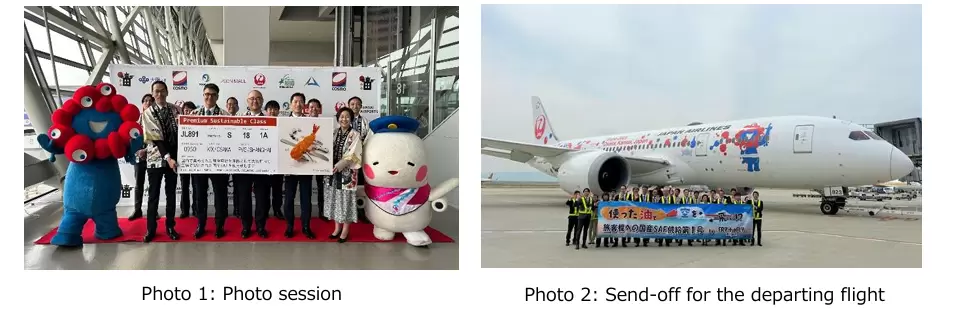
On May 1, 2025, Japan Airlines took delivery of Japan’s first mass-produced domestic SAF, derived from used cooking oil, for a commercial flight departing Kansai International Airport. ACI Asia-Pacific & Middle East on July 19 put airport storage, logistics and commercial access at the center of SAF deployment, and ACI World’s June 9, 2022 study and airport training course frame that role as an operating task.
Airports are the choke point
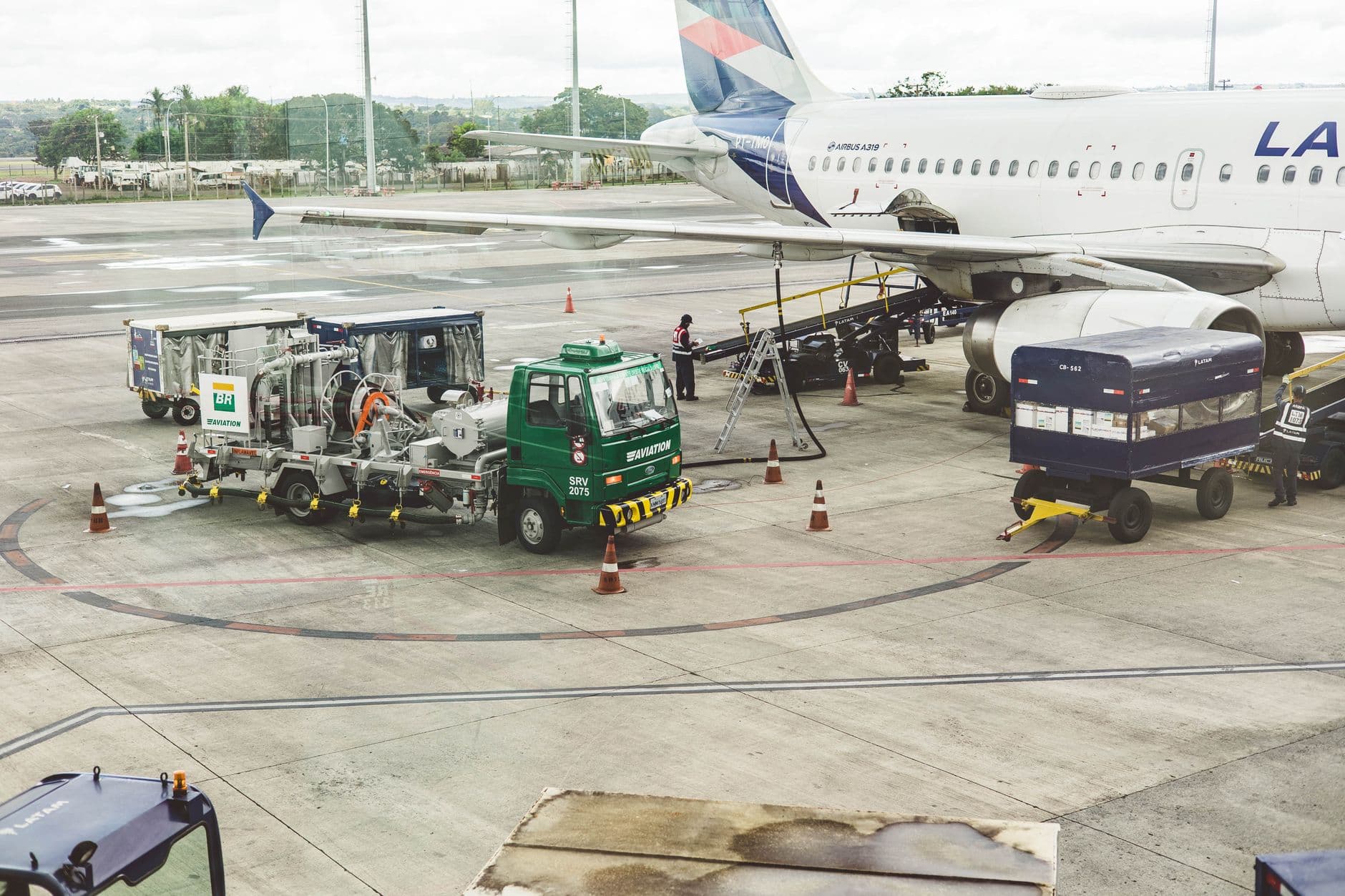
The airport is where SAF either becomes routine or stays a one-off uplift. Fuel has to move through airport tankage, airside handling and airline scheduling, and the airport operator sits between suppliers, carriers and public authorities that decide how easily that flow can happen. Airports do not just host SAF; they help determine whether it can be delivered, stored and repeated at commercial scale.
The airport-side conversation now reaches beyond airline commitments. The practical questions shape availability on the apron, in the fuel farm and in the commercial agreements that govern access. If the airport cannot support a predictable supply chain, the market remains dependent on isolated flights rather than regular uplift.
ACI World guidance for airport leaders
ACI World on June 9, 2022 launched a study on the integration of sustainable aviation fuels at airports. The study is guidance to strengthen public-private partnerships for airport leaders, investors and policymakers, where the airport bottlenecks sit: infrastructure, project finance and operating rules.
ACI World also offers a training course called “Advancing SAF at Airports | Sustainable Aviation Fuels Certificate.” The course centers on the role of airports in aviation decarbonization and net zero, giving airport teams a common language for airside fuel planning, commercial negotiations and long-term capital decisions. SAF adoption is not just about asking suppliers to show up; it is about building the conditions that let them return with volume.
The guidance study and training certificate treat SAF as an operational capability that has to be embedded in planning, procurement and partnerships. That is a different model from a pure airline procurement story, and it pushes airport managers to think about fuel access in the same way they think about gates, cargo stands and terminal capacity.
Kansai shows the airport model in practice
Kansai is a live example of what airport-enabled SAF looks like on the ground. JGC Holdings Corporation, Japan Airlines Co., Ltd. and Kansai Airports have been advancing the Fry to Fly Project, aimed at realizing a world where airplanes fly using SAF produced domestically from waste cooking oil collected in Japan.
ACI Asia-Pacific & Middle East later published a news item titled “First passenger flight from KIX supplied with commercialised domestic SAF.”
Under a basic agreement on cooperation to commercialise domestic SAF, JGC Holdings Corporation, Kansai Airports and REVO International Inc. agreed on supply of used cooking oil from restaurants and other sources at the three airports, including Kansai International Airport and Osaka International Airport.
What airport operators can control
Kansai’s example shows the levers that sit inside the airport perimeter. Airport operators can help determine whether feedstock supply agreements are organized, whether fuel logistics are repeatable and whether commercial arrangements support regular SAF uplift instead of one-off demonstrations. They also influence how quickly partners can move from agreement to passenger service, because the airport is where collection, processing, delivery and refueling have to meet.
This article was produced by Prism’s automated news system from verified source data, official records, and press releases, then run through automated quality and moderation checks before publishing. The system is built and supervised by the people who set the standards it runs under. Read our full AI policy.
Did this article answer your question?