AFBF warns of mounting farm losses, urges Congress for relief
AFBF said 2024 weather losses hit $20.3 billion and warned farmers are still losing money, pressing Congress for relief as costs and prices stay volatile.
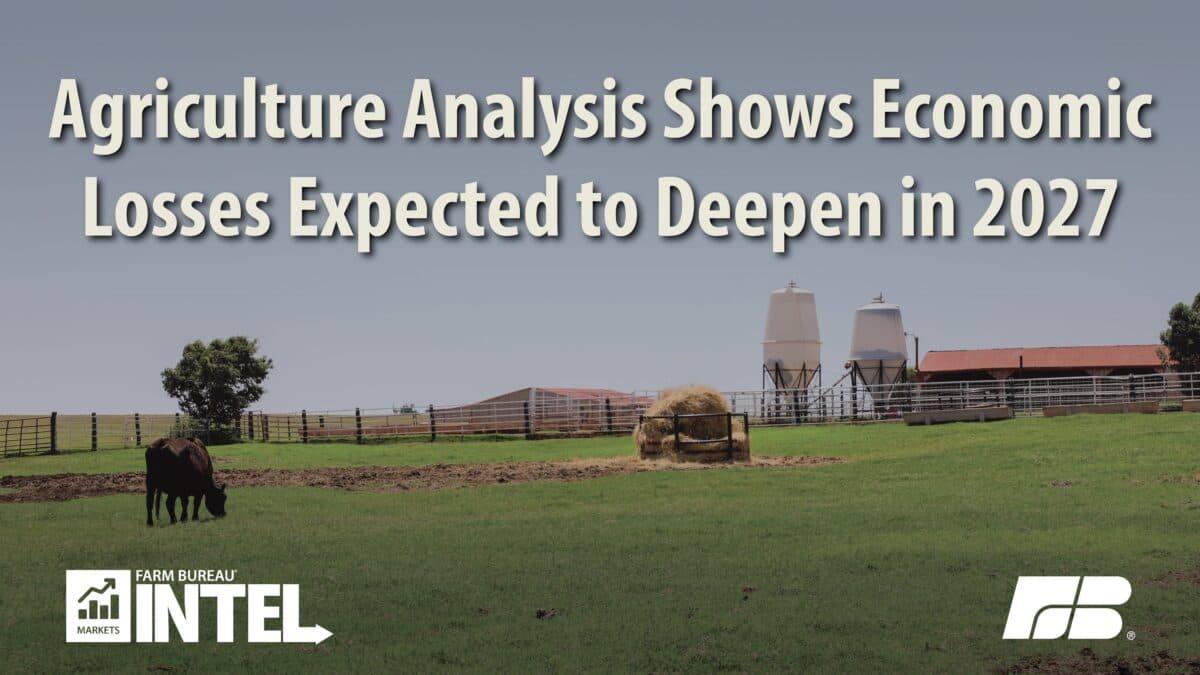
The American Farm Bureau Federation on July 21 said farmers lost $20.3 billion to weather disasters in 2024 and warned the losses were still mounting. The group urged Congress to provide market relief as lower commodity prices, higher costs and volatility kept pressure on farm income.
AFBF has been pressing the point through its Farm Bureau Market Intel coverage, where economist Daniel Munch said farmers need economic support amid persistent financial strain. The federation cast the latest call as part of a broader farm economy squeeze, not a one-off shock, with cash flow under pressure even before the next round of weather damage or price swings.
The 2024 loss tally was tied to drought, flooding and hurricanes, three weather channels that hit row-crop yields and insurance claims across the United States. In its 2024 impact report, AFBF also grouped the sector’s troubles around natural disasters, market volatility, evolving policies and trade issues, a mix that leaves less room for growers to absorb margin compression from one season to the next.
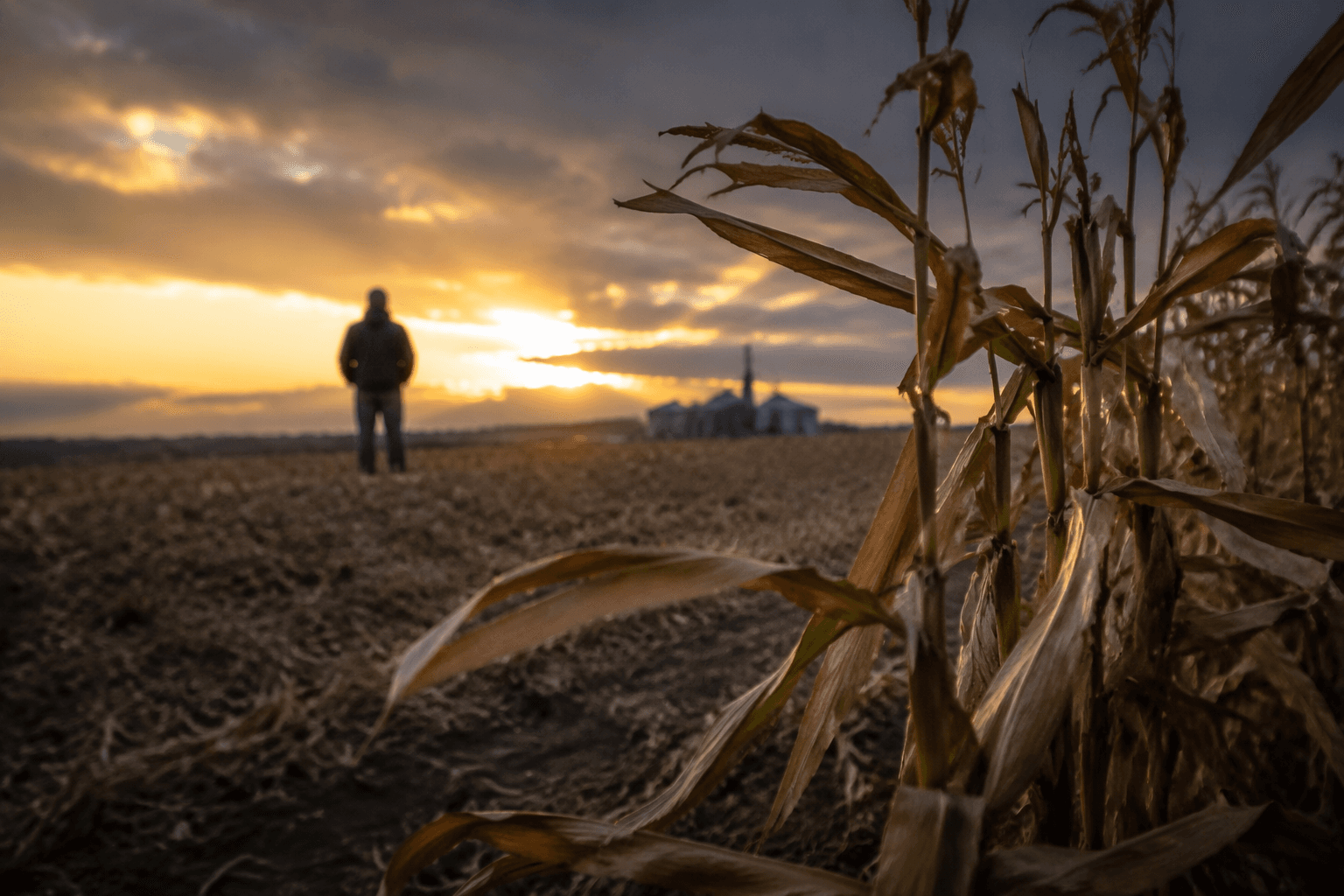
Biofuels demand has offered some support for corn and other feedstocks, but AFBF’s warning showed that it has not been enough to shield farmers from losses. The Renewable Fuels Association has argued that ethanol production and exports support the agricultural economy, and ethanol demand has remained part of the crop-demand base that producers depend on when export channels and domestic use are firm.
Still, the relief push points to a sector where fuel demand, policy support and farm revenue are moving on different tracks. Strong ethanol runs can help grind through corn, but they do not erase weather damage, lower commodity prices or the higher input bill that AFBF said is still squeezing producers in 2026.
This article was produced by Prism’s automated news system from verified source data, official records, and press releases, then run through automated quality and moderation checks before publishing. The system is built and supervised by the people who set the standards it runs under. Read our full AI policy.
Did this article answer your question?