Alfanar secures Teesside site for major UK SAF plant
Alfanar locked in a land option at Seal Sands for a £2bn-plus SAF plant that it says will make 180 million litres a year by 2030.
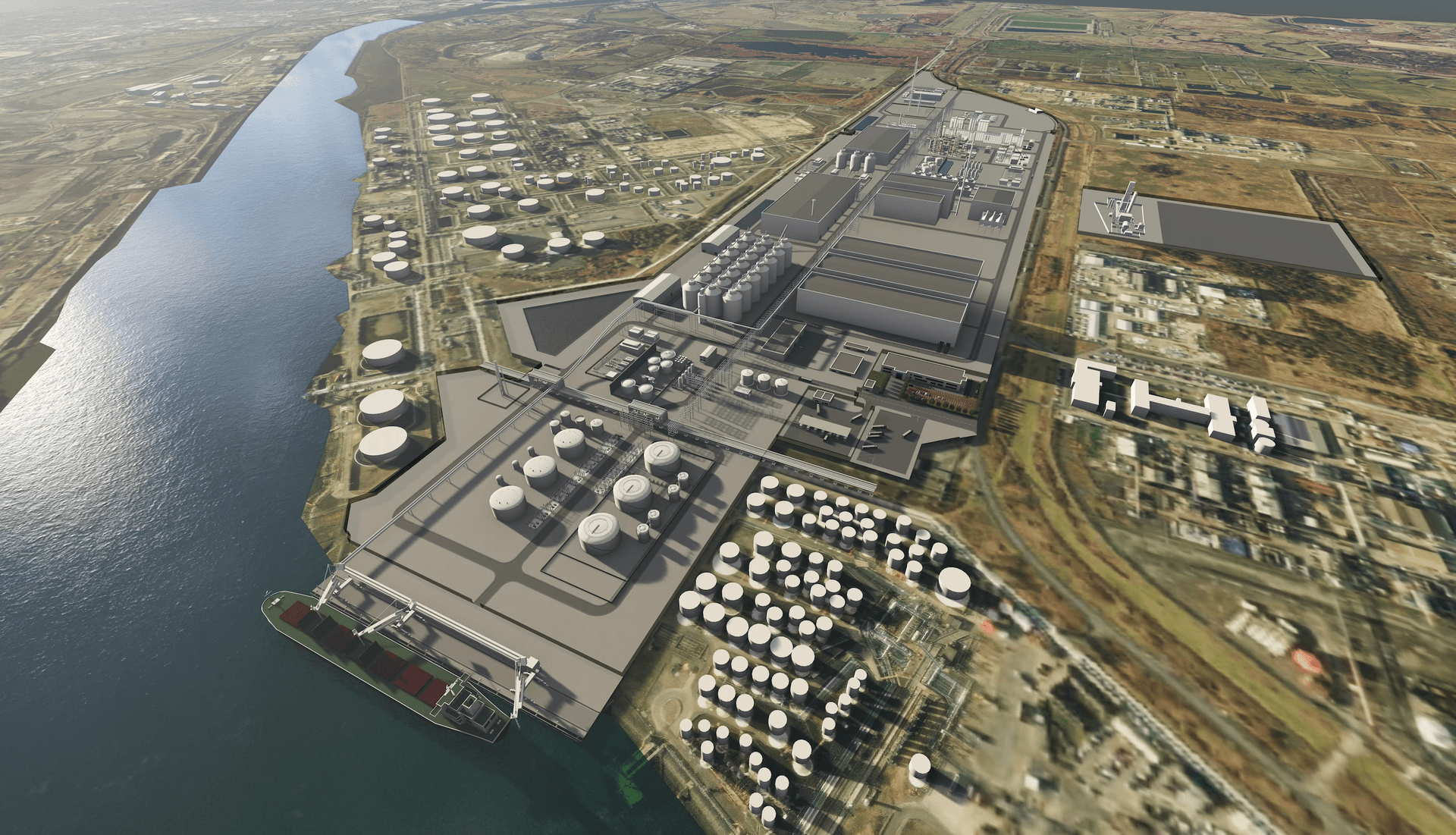
Alfanar on July 1 secured a land option agreement for Lighthouse Green Fuels' Seal Sands project, a more-than-£2bn plant designed for 180 million litres a year.
The Teesside scheme is set to produce 30 million litres a year of renewable naphtha as well, and Lighthouse Green Fuels says the SAF output would offset 27,000 short-haul flights annually. The company also puts the construction workforce at about 2,000 roles. It describes the facility as Europe’s largest second-generation SAF plant, built to convert sustainably sourced biomass feedstocks including forest, sawmill and agricultural residues.
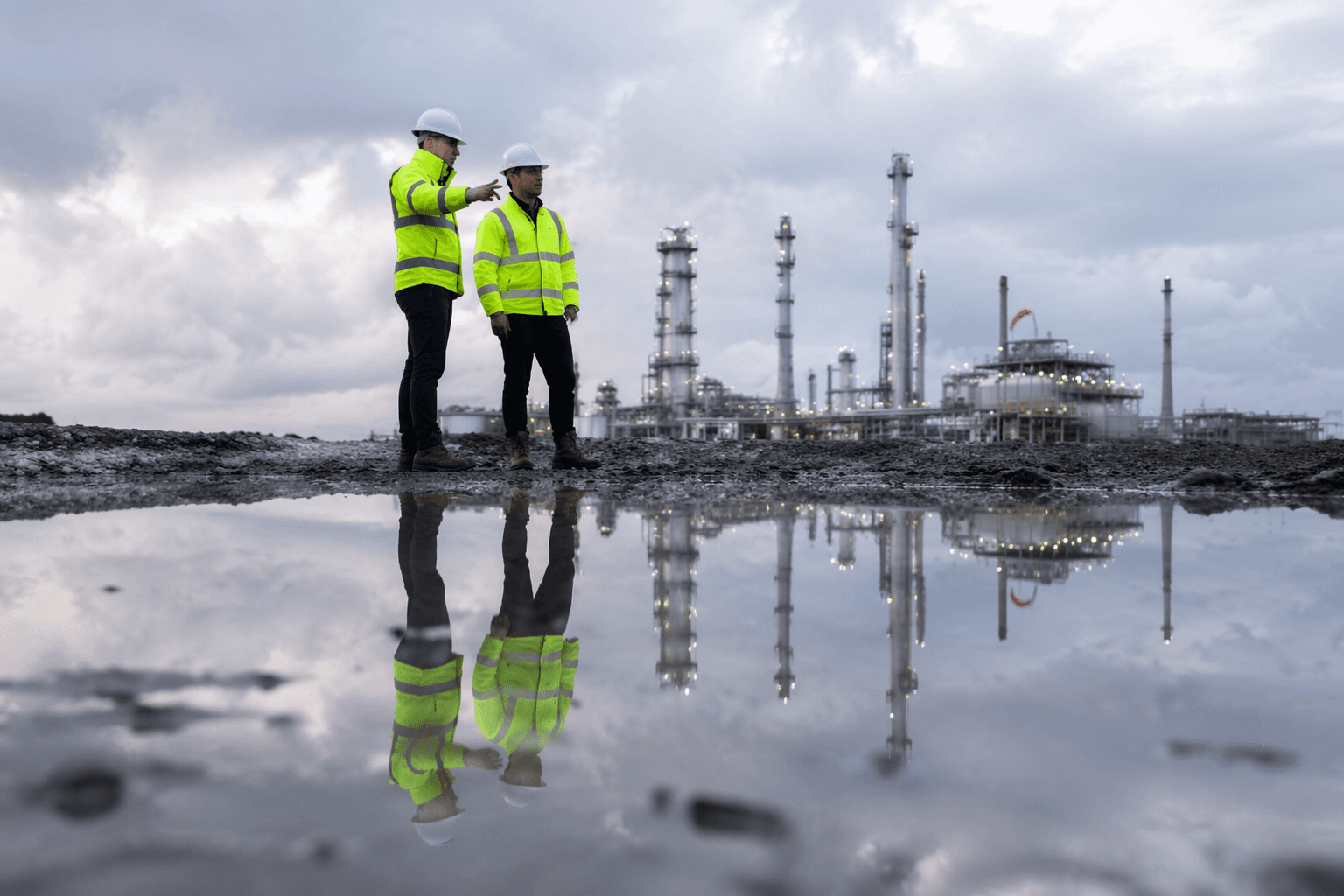
The proposed production site sits on the north bank of the River Tees, south of Seal Sands Road, within Stockton-on-Tees and Redcar and Cleveland, according to the Planning Inspectorate. Lighthouse Green Fuels says the brownfield plot already has a grid connection and established utilities, including oxygen, natural gas and water, a combination that helps a refinery-style project move from concept toward delivery.
The land option follows a relocation announced in November 2025 to a larger neighbouring site in Seal Sands and comes after Lighthouse Green Fuels said FEED was completed on June 11, 2026. A 2026 industry report said the project had entered the Development Consent Order submission process, putting permitting alongside engineering as the next critical step. The company has said the project could go online by 2030.
For Teesside, the sequence matters because it turns a large SAF concept into a site-specific industrial plan with a defined footprint, feedstock pathway and planning route. For airlines and fuel buyers, the project adds another potential domestic supply source in a market still short of large-scale SAF output. For the Tees Valley industrial cluster, the agreement keeps one of the UK’s biggest low-carbon fuels investments anchored to Seal Sands rather than remaining a paper project.
This article was produced by Prism’s automated news system from verified source data, official records, and press releases, then run through automated quality and moderation checks before publishing. The system is built and supervised by the people who set the standards it runs under. Read our full AI policy.
Did this article answer your question?