Asia-Pacific biodiesel market grows on mandates, feedstock diversification
Mandates are lifting Asia-Pacific biodiesel, but Indonesia's B40 rollout and India's feedstock shift expose the region's real constraint: supply.
Asia-Pacific biodiesel growth is being forced by mandates, not by an easy feedstock surplus. The region's biofuels market was estimated at USD 29.6 billion in 2024 and is projected to reach USD 88.5 billion by 2034, while global biodiesel output reached almost 50 billion liters in 2024. The International Energy Agency says Japan is the main source of transport biofuel demand growth in Asia-Pacific, especially for sustainable aviation fuel, which keeps pressure on the same vegetable-oil pools used for road-fuel biodiesel.
Mandates are doing the heavy lifting
The policy case is stronger than the pure-market case. IEA Bioenergy's 2024 country update says biofuel adoption has historically been marginal in parts of Asia, Africa and Oceania, which makes the current push in Asia-Pacific a step-change rather than a gradual extension of an existing market. In practice, that means blending rules, tax treatment and state-backed supply mechanisms are shaping volumes more than spot demand from refiners or blenders.
That is also why renewable diesel and biojet fuel matter even in a biodiesel story. Across the region, those higher-value fuels are emerging as major growth segments, and they compete for the same feedstocks that support FAME production. When policy pushes one segment higher, it can quickly tighten supply for the others.
Indonesia sets the benchmark
Indonesia remains the clearest test case for whether a large biodiesel mandate can scale on domestic feedstock. The country's energy ministry's Directorate General of New, Renewable Energy and Energy Conservation said the B35 program distributed 13.15 million kiloliters in 2024, about 98% of the 13.4 million kiloliter allocation, and generated estimated foreign-exchange savings of USD 7.86 billion. The US Department of Agriculture's Foreign Agricultural Service estimated Indonesia's 2024 biodiesel production at about 13 billion liters, 3% higher than 2023.
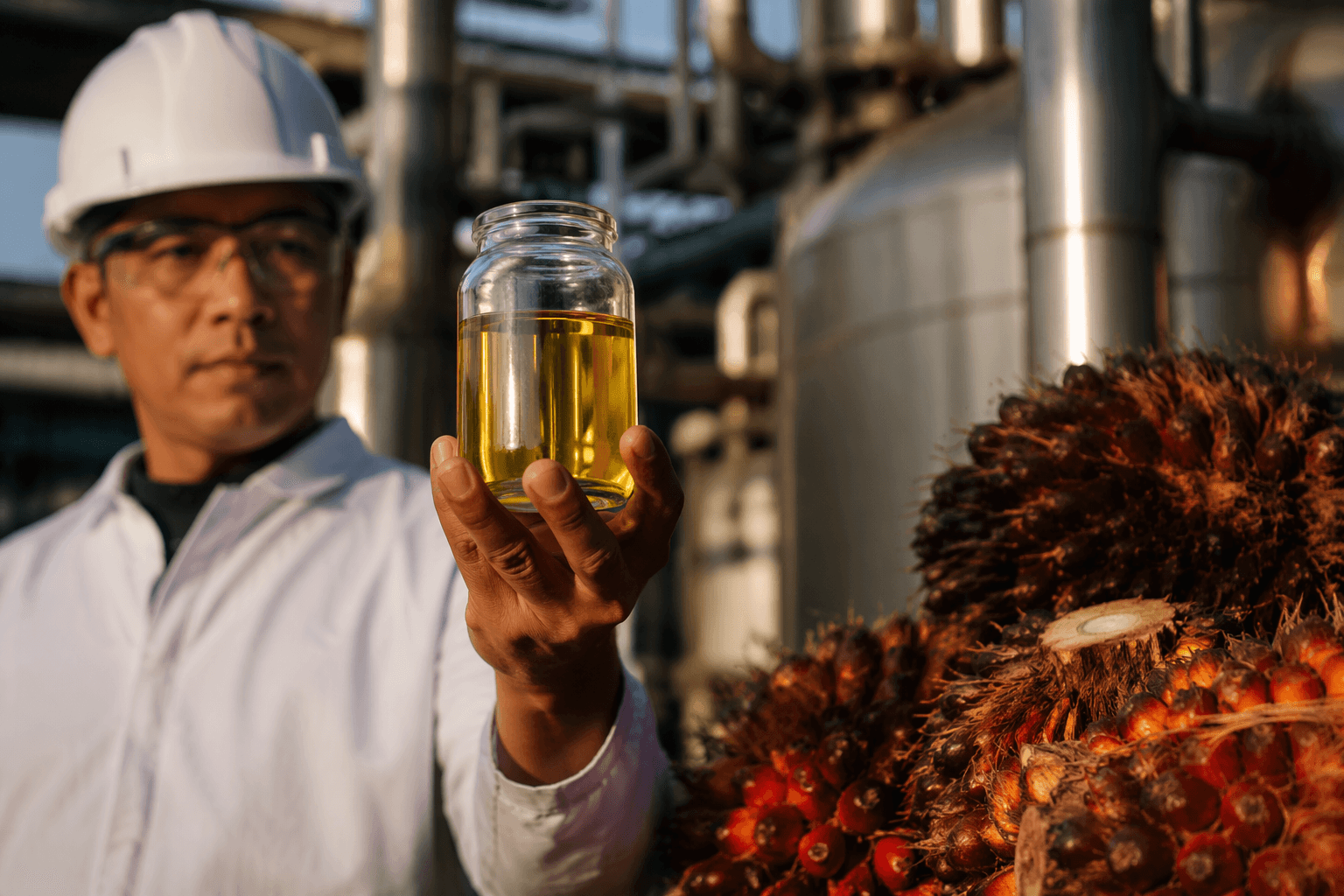
The mandate is still supported by palm-oil export levies that close the gap between biodiesel and fossil diesel, which is why the price spread is the central variable. S&P Global reported that the government estimated it would need to spend about USD 1.75 billion to support B35 in 2024 because the diesel-palm oil spread widened. That makes Indonesia the region's deepest domestic-supply market, but also the one most exposed to a higher palm-oil price or a weaker levy pool.
Indonesia then stepped up again. Bahlil Lahadalia said, "Kami telah memutuskan peningkatan biodiesel dari B35 ke B40 ... berlaku mulai 1 Januari 2025 ... mendorong implementasi B50 pada 2026." The energy ministry framed the move as part of energy security, import reduction and the country's net-zero-by-2060 goals. For traders and producers, the message is simple: the mandate curve is still rising, but each increment has to clear the same feedstock and subsidy hurdles.
India is widening the feedstock basket
India's policy stance is different, but the direction is the same. The Ministry of Petroleum and Natural Gas's 2022 amendment to the National Policy on Biofuels advanced the target for 20% ethanol blending in petrol from 2030 to 2025-26 and broadened the feedstocks eligible for biofuel production. A Press Information Bureau release says India has also promoted biodiesel blending through indicative targets, 2019 biodiesel sale guidelines and a lower GST rate for biodiesel procurement used in blending programs.
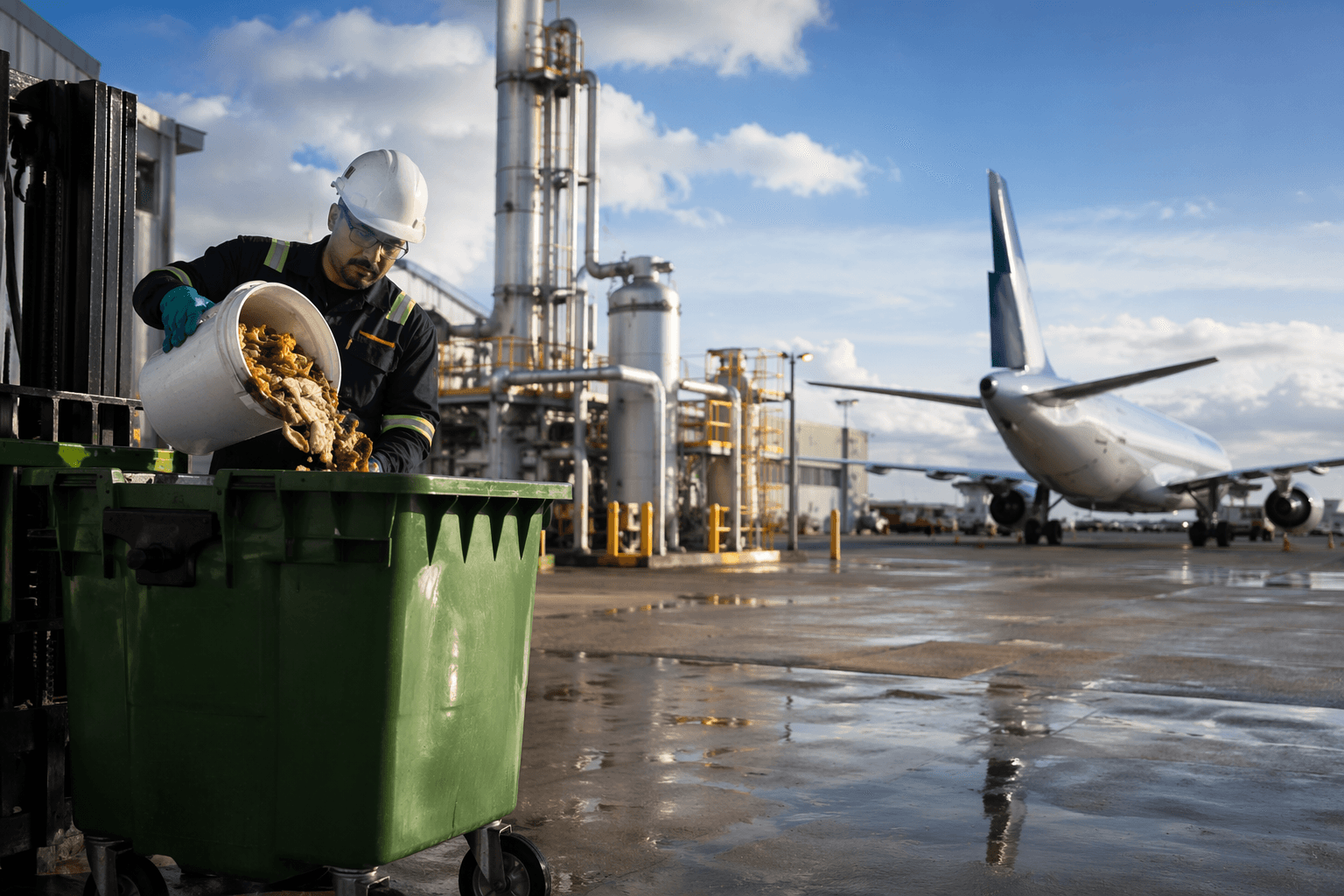
For biodiesel, that matters because India's framework points toward a broader pool of domestic and waste-based inputs rather than a single crop-heavy pathway. The policy logic is to cut petroleum imports, support farm incomes and diversify feedstocks, which is exactly the direction the market will need if used cooking oil, tallow and other non-edible oils are to play a bigger role. The bottleneck there is less about mandate volume and more about collection, logistics and certification.
Japan is pulling demand toward advanced fuels
Japan is not the largest biodiesel producer in the region, but it is a major demand signal. The International Energy Agency says Japan is the main source of Asia-Pacific transport biofuel demand growth, with sustainable aviation fuel at the center of that growth and a 10% SAF target by 2030 in the agency's transport biofuels outlook. That pushes the region toward renewable diesel and biojet fuel, which are stronger competitors for high-quality oil feedstocks than conventional biodiesel.
That shift changes the feedstock map. Countries with abundant domestic palm oil, led by Indonesia, can still anchor large FAME programs, but markets with weaker domestic oilseed supply are likely to lean on imported oils, used cooking oil and other waste streams. In other words, Japan's demand pull may matter as much as any domestic supply policy elsewhere, because it can redirect certified feedstocks into higher-value segments.
Where the next bottleneck lands
The Asia-Pacific biodiesel market is growing, but the constraint is moving from demand to deliverability. Indonesia has the strongest domestic supply base, yet its next step-up depends on the gap between palm oil and diesel and on whether export levies keep funding the mandate. India is widening eligible feedstocks, which should help diversify supply, but its next bottleneck will be collection systems and market access for lower-carbon inputs. Japan's SAF-led demand growth points toward imported and waste-based feedstocks, which raises the bar on sustainability rules and traceability.
That is the real feasibility test for Asia-Pacific biodiesel. The mandates are in place, the forecasts are bullish and the market is large enough to keep expanding, but the next leg higher will be set by feedstock economics, policy durability and the industry's ability to move from a palm-heavy model to a broader, more certified supply chain.
This article was produced by Prism’s automated news system from verified source data, official records, and press releases, then run through automated quality and moderation checks before publishing. The system is built and supervised by the people who set the standards it runs under. Read our full AI policy.
Know something we missed? Have a correction or additional information?
Submit a Tip