Axens launches France’s first industrial-scale SAF unit using Jetanol technology
Axens launched France’s first industrial-scale SAF unit, a 50,000-tonne-per-year Jetanol project targeted to start up in 2030.
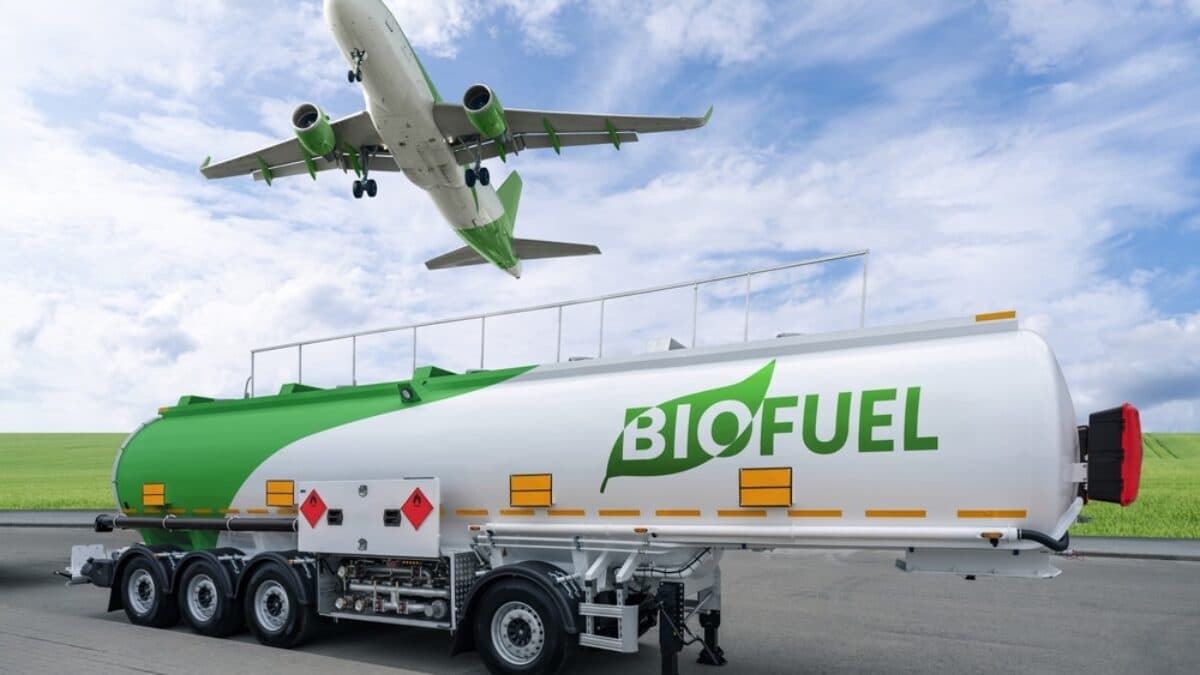
Axens on July 17 launched France’s first industrial-scale SAF unit, a 50,000-tonne-per-year project built around advanced bioethanol and Jetanol alcohol-to-jet technology. The company identified the scheme as its Ethanol to Refuel Aviation, or ERA, project, and said startup is targeted for 2030.
Axens said the pathway relies on advanced bioethanol made from lignocellulosic biomass and non-food feedstocks, including forestry residues, energy crops, rice straw, wheat straw, corn stover and bagasse. That feedstock slate puts the project in the cellulosic ethanol lane rather than the crop-based ethanol pool, a point that matters for SAF developers trying to scale without competing directly with food uses.

The company also framed the launch as part of a broader commercialization push. Axens said Jetanol is its branded alcohol-to-jet technology and that its SAF project pipeline is already approaching 3 million tons a year. Axens has said it is pursuing multiple SAF pathways because it does not see a single route meeting future demand, a position that tracks with the sector’s split between HEFA, alcohol-to-jet and emerging e-SAF routes.
ERA also sits alongside two other French industrial projects in Axens’ portfolio. The company linked the SAF unit with its NACRE advanced bioethanol project at Lacq and its MACARON battery materials project in Valenciennes, and said ERA strengthens its industrial commitment to low-carbon mobility. Axens said NACRE has already obtained its construction permit.
The 2030 target gives the project a long runway to lock in feedstock, offtake and conversion economics before startup. For Europe’s SAF market, the key signal is not just that Axens has branded another pathway, but that it has put an industrial-scale number on the board: 50,000 tonnes a year, with advanced bioethanol as the input and Jetanol as the conversion platform.
This article was produced by Prism’s automated news system from verified source data, official records, and press releases, then run through automated quality and moderation checks before publishing. The system is built and supervised by the people who set the standards it runs under. Read our full AI policy.
Did this article answer your question?