Bayer ates North American camelina push as oil prices rise
Bayer is targeting a couple of million North American camelina acres as oil prices lift the case for non-food feedstocks. A near-term crushing deal would lock in buyer certainty.

Bayer on June 10 said it wants to accelerate North American production of biofuel feedstocks such as camelina after the Iran war pushed fossil-fuel prices higher and renewed interest in alternatives. Peter Muller, Bayer’s global head of cereals, cotton and canola, said the company is targeting a couple of million acres of camelina in North America and is evaluating expansion into other geographies.
The acreage push hinges on a basic market problem: growers will not shift into a new crop at scale unless they can see a buyer, a processor and a clear path to market. Muller said Bayer is close to a deal with a company that would crush North American camelina, a move that would help give farmers confidence the crop has downstream demand. For biofuel makers, that matters because tighter fossil-fuel markets tend to improve the economics of lower-carbon fuel pathways and the feedstocks that supply them.
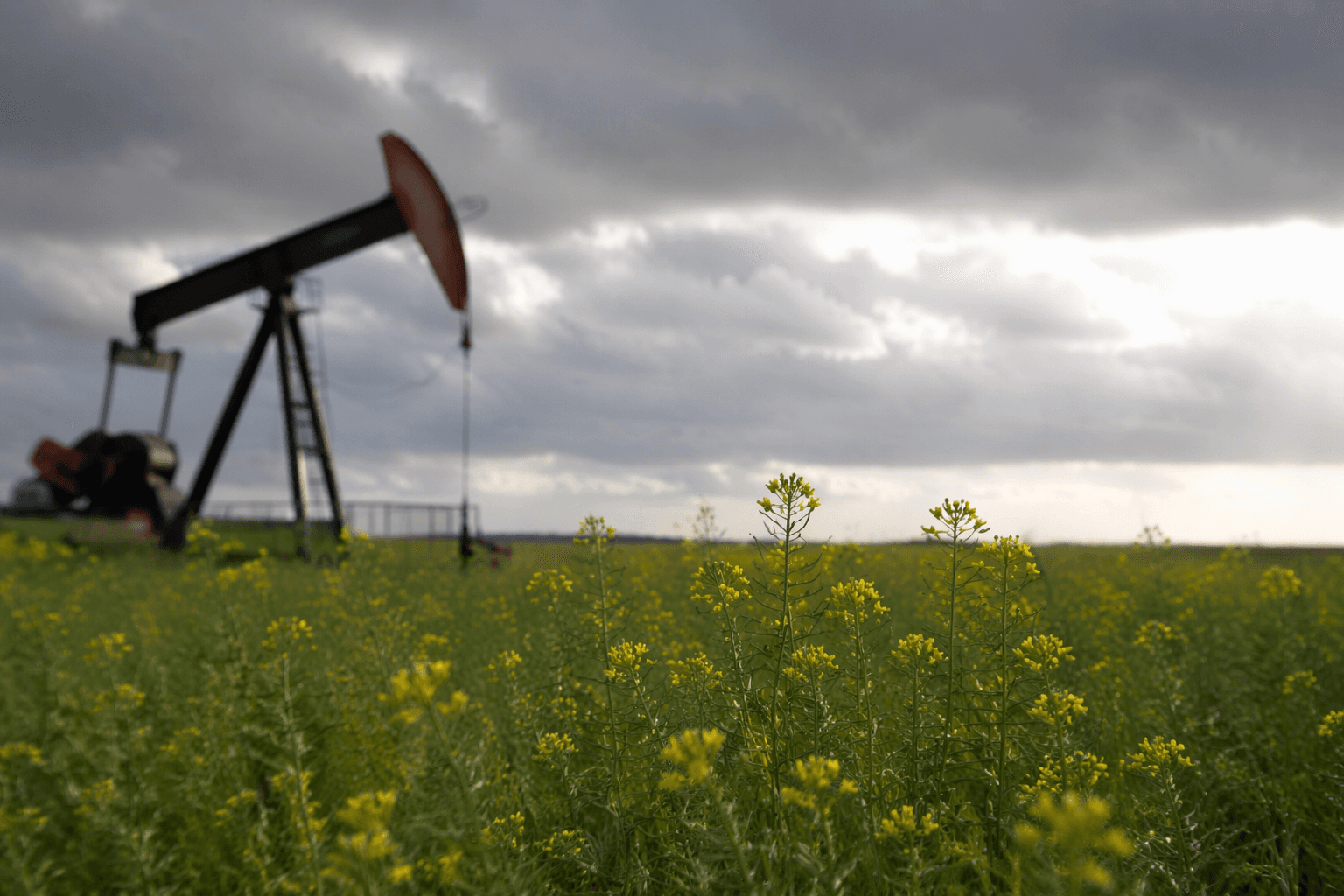
Bayer and bp laid out that commercial pathway on May 6, when the companies announced a strategic alliance to scale camelina under Bayer’s newgold brand, starting in North America. BP is bringing fuel and refining expertise, while Bayer is contributing seed technology and farmer relationships. The companies said demand for biodiesel, renewable diesel and sustainable aviation fuel could rise from about 14 billion gallons to 40 billion gallons by 2040, a scale that leaves room for additional non-food oilseeds if supply chains can be built.
Bayer has been building that platform for more than a year. The company acquired camelina germplasm and intellectual-property assets from Smart Earth Camelina Corp. in 2024, a sign that the latest push is part of a longer commercialization plan rather than a short-term reaction to crude volatility. Camelina, also known as false flax, is a short-season oilseed in the mustard family native to Europe and Central Asia, with a cultivation history going back at least 3,000 years. It can be planted as a spring or winter annual and used as an intermediate crop, which gives it an edge as a rotational feedstock rather than a full-season replacement for food crops.
USDA materials say camelina oil can be turned into biofuel and bio-lubricant, while the meal can be used in animal feed. That combination is why the crop has drawn attention as a domestic supply option that can fit between main planting seasons or on underutilized land. The fuel system already has one visible proof point: in 2024, a sustainable aviation fuel blend made with winter camelina reached Minneapolis-Saint Paul International Airport through a Minnesota SAF Hub effort with Cargill and the University of Minnesota’s Forever Green Initiative. The question now is whether Bayer can turn those pilots into acres, and acres into dependable crushing and offtake capacity.
This article was produced by Prism’s automated news system from verified source data, official records, and press releases, then run through automated quality and moderation checks before publishing. The system is built and supervised by the people who set the standards it runs under. Read our full AI policy.
Know something we missed? Have a correction or additional information?
Submit a Tip