Biofuel groups eye ocean shipping as new ethanol demand source
Shipping burns 70 billion to 80 billion gallons of fuel a year, and ethanol groups want even a 5% slice. Maersk, Vale and X-Press Feeders are already testing the pitch.
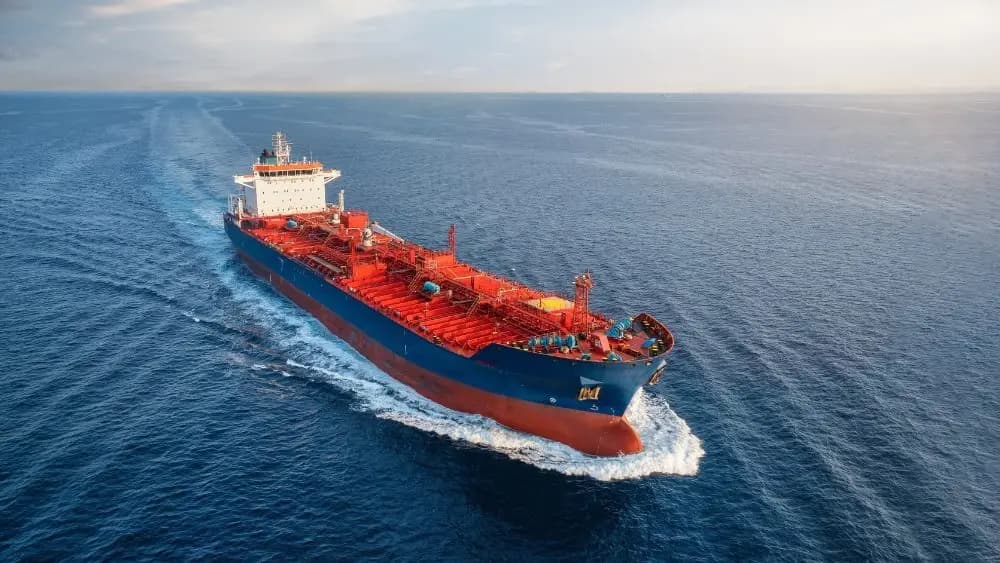
Biofuel groups on June 17 pitched ocean shipping as a 70 billion to 80 billion gallon-a-year demand source for ethanol and other farm fuels. Late-2025 reporting put the maritime sector's share of fuel from biofuels and other low-carbon alternatives at far less than 1%, even as U.S. corn supplies keep outrunning domestic demand.
The Renewable Fuels Association said in October 2025 that if ethanol captured just 5% of the global marine fuel market, it could add 4 billion to 5 billion gallons of ethanol demand and about 1.5 billion bushels of corn demand. That would matter in a market where total U.S. ethanol production was 16.1 billion gallons in the year cited in late-2025 coverage, while the U.S. Department of Agriculture projected 2.11 billion bushels of corn carryout for 2025-26.
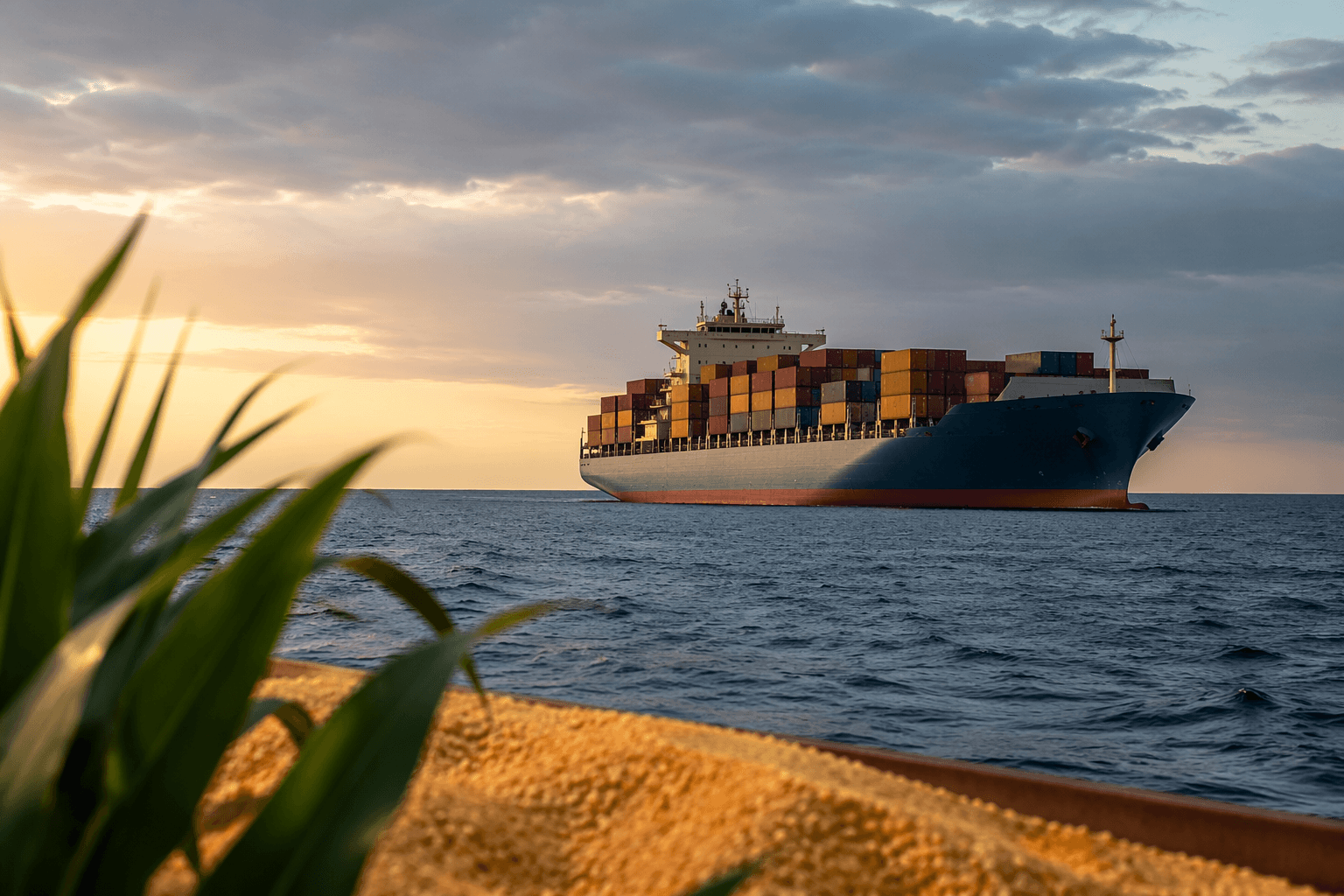
Monte Shaw, executive director of the Iowa Renewable Fuels Association, called marine shipping an "80 billion gallon a year opportunity," while Geoff Cooper, president of the Renewable Fuels Association, said the opportunity was "enormous" and argued that maritime fuel rules could be a game-changer for farm demand. Ian Thomson of Advanced Biofuels Canada has said marine fuel could become a significant new market and help idle plants come back into production.
The pitch is no longer theoretical. Maersk completed its first two sailings on 100% ethanol in the first quarter of 2026, after earlier testing 10% and 50% ethanol blends on a vessel designed to run on either methanol or fuel oil. X-Press Feeders trialed a 10% ethanol and 90% methanol blend on a container vessel in Rotterdam, while Vale said it contracted with Shandong Shipping Corp. to build two vessels able to operate on ethanol, methanol or heavy fuel oil.
The commercial logic is tied to the International Maritime Organization's decarbonization push, but the policy path has been uneven. Reporting in late 2025 said the IMO's net-zero framework would force ships to cut greenhouse-gas emissions by shifting to low-carbon fuels, then stalled after the Trump administration threatened sanctions and visa restrictions against countries backing the plan. Even so, the IMO and national governments are still weighing maritime decarbonization rules, and ethanol advocates want technology-neutral standards that let ethanol compete with methanol, biodiesel, ammonia and LNG.
The technical argument is simple enough for fuel buyers: ethanol can run in some methanol-capable engines with little or no retrofit, and shipping companies are already ordering more of those ships. DNV data cited in June 2026 put the number of methanol-capable vessels on track to rise from 107 in 2025 to 450 by 2030, including 313 newbuilds on order. Brazil gained an early edge in May 2026, when Bloomberg reported that Brazilian corn ethanol cleared a significant IMO regulatory step with its carbon footprint defined and approved for marine use.
This article was produced by Prism’s automated news system from verified source data, official records, and press releases, then run through automated quality and moderation checks before publishing. The system is built and supervised by the people who set the standards it runs under. Read our full AI policy.
Know something we missed? Have a correction or additional information?
Submit a Tip