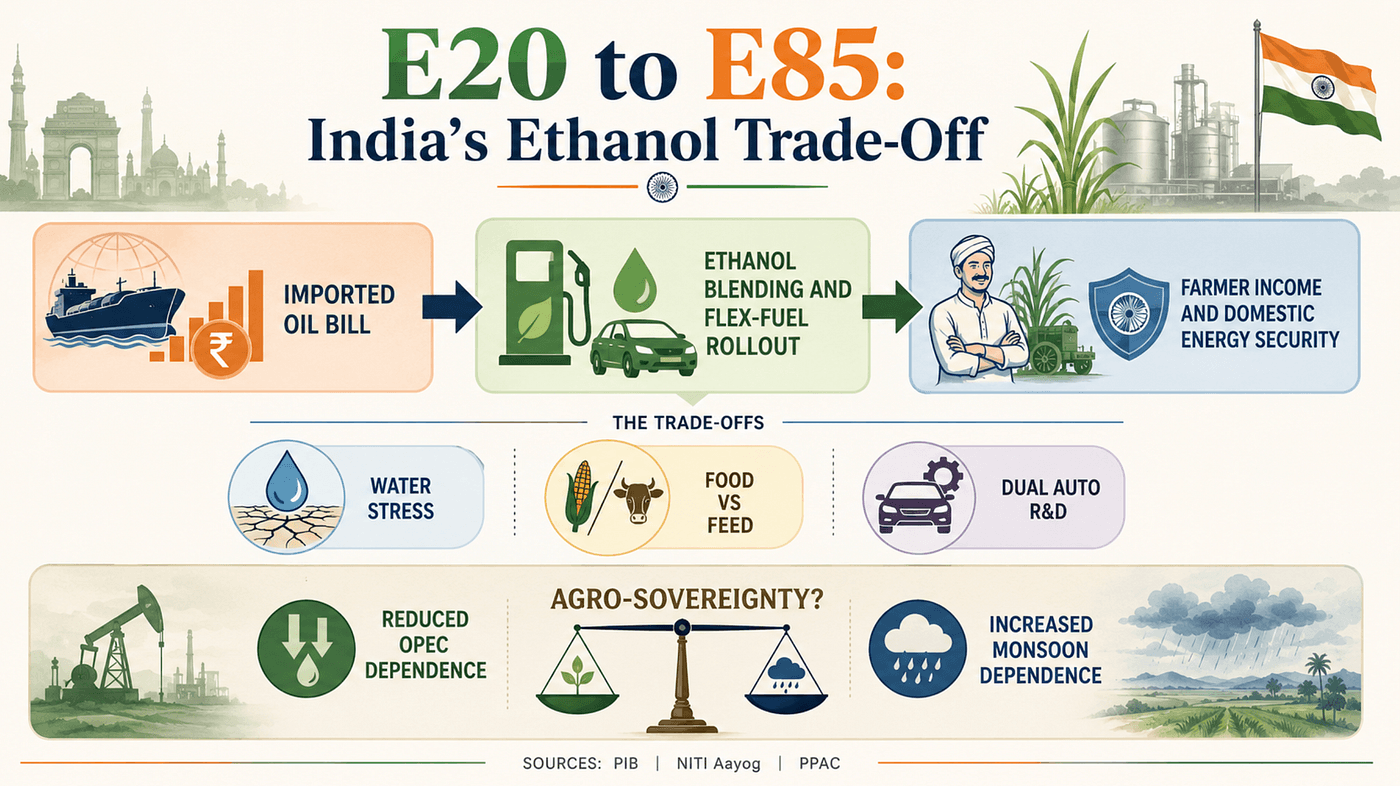
Biofuels deliver climate promise and tradeoffs, explainer shows
Biofuels can lower transport emissions, but feedstock choice and land use decide the climate math. EPA’s RFS history shows why the sector stays contested.
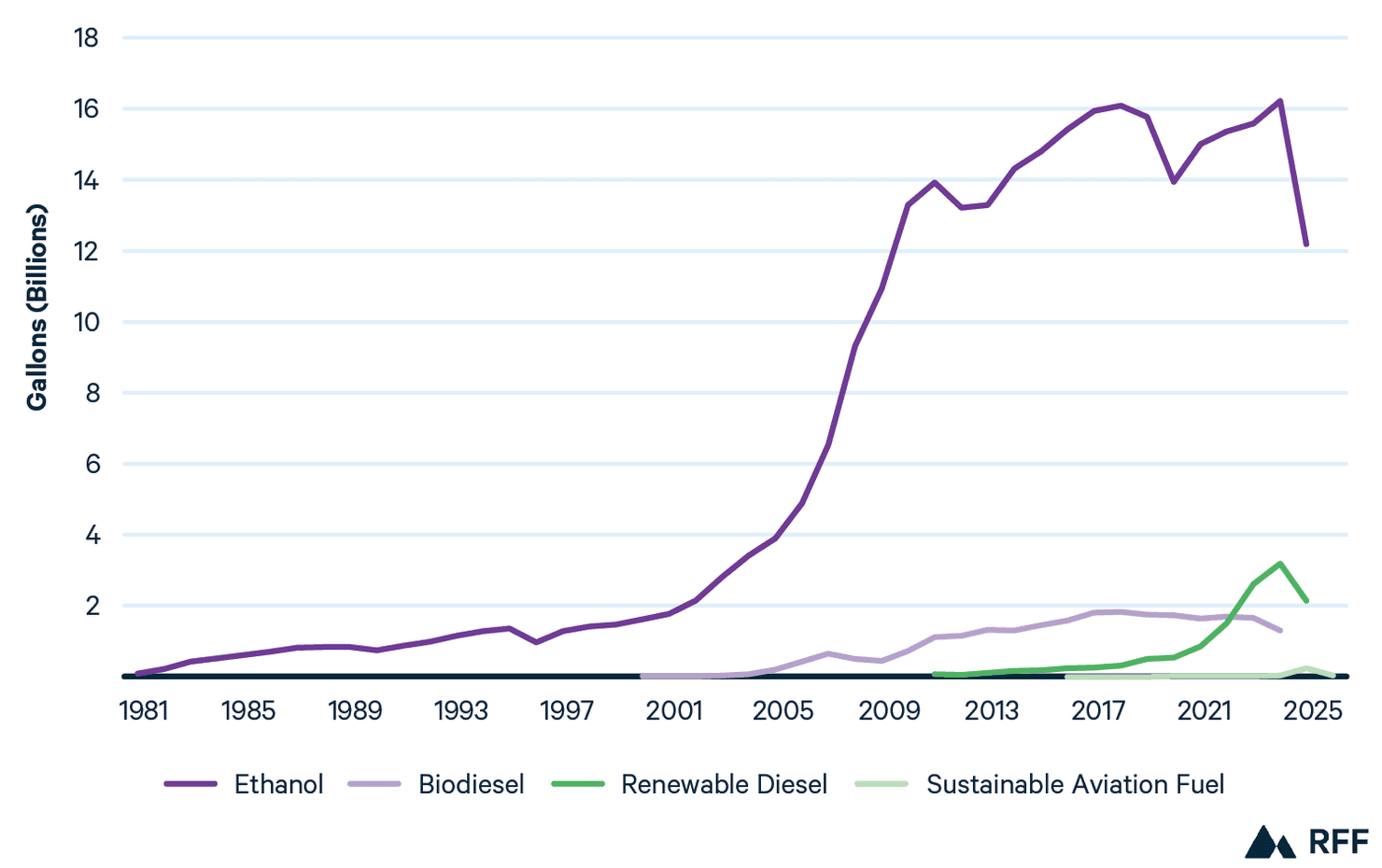
Corn ethanol, sugarcane ethanol, biodiesel, renewable diesel, and waste-based fuels all start from biological material, but the feedstock, conversion pathway and scale constraints determine whether the fuel brings a real emissions gain.
What counts as biofuel
Biofuels are liquid fuels made from corn, sugarcane, soybeans, used cooking oil, animal fats, forestry residues and other biomass streams.
A gallon of ethanol from corn does not carry the same emissions profile as a gallon of biodiesel made from waste oils, and renewable diesel made from tallow or used cooking oil sits in a different bucket again. The production pathway is the first filter, because the same end-use market can be supplied by fuels with very different upstream footprints.
Feedstock is the first test
Waste-based and advanced fuels often score better on carbon intensity than crop-based fuels, but the better score does not solve the bigger market problem. Used cooking oil, animal fats and other waste streams are limited in supply, and as demand rises those feedstocks face competition from other users and tougher scrutiny over chain-of-custody.
That is why a bio-based fuel claim should always trigger the same questions: what was the feedstock, how was it processed and how much of the input stream is actually available at commercial scale. Corn and sugarcane can support large volumes, but they also bring more direct exposure to fertilizer use, water demand and land conversion pressure than a waste-based pathway.
Climate gains are real, but so are the tradeoffs
EPA says biofuels can reduce the energy and greenhouse gas emission intensities tied to transportation. EPA also says they may require significant increases in cropland area and irrigation water use, and can affect forests and grasslands. The climate case is not only about tailpipe emissions, it is about what happens upstream when feedstock demand expands.
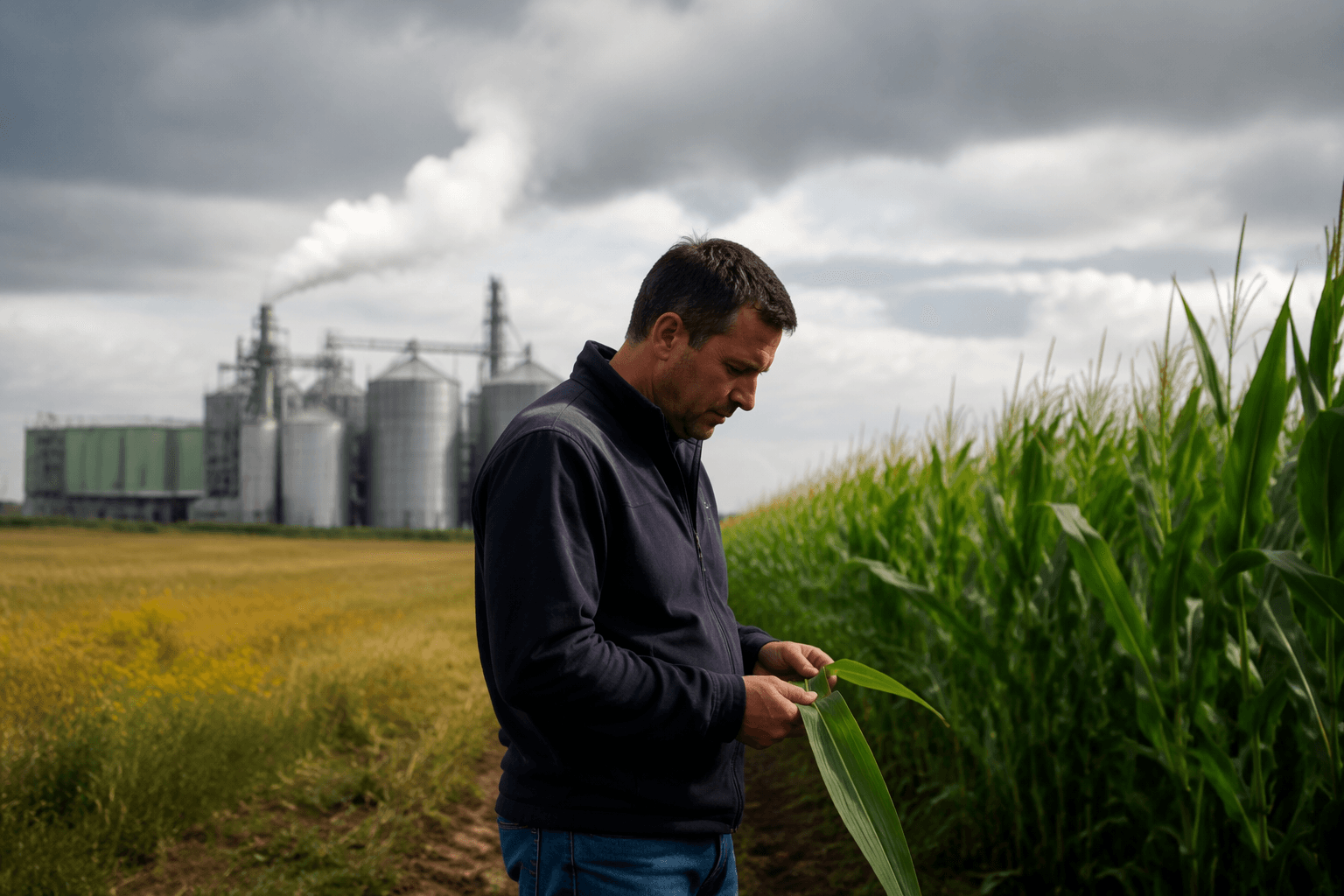
Indirect land-use change is central to that debate. If more acreage goes into fuel crops, the shift can ripple through other agricultural uses, feed costs and land markets. Fertilizer use and water demand are part of the same calculation.
Policy turns chemistry into markets
The Renewable Fuel Standard was introduced in 2005 and expanded in 2007. The program was designed to reduce dependence on foreign oil, expand renewable fuel usage and lower greenhouse gas emissions, and that original mandate still shapes how the industry sells itself and how critics attack it.
EPA’s final Renewable Fuel Standards rule for 2023, 2024 and 2025 was published on Aug. 3, 2023. EPA later proposed Renewable Fuel Standards for 2026 and 2027 on June 17, 2025, then finalized those standards on April 1, 2026.
Beyond the RFS, the market is also shaped by blending mandates, tax credits, low-carbon fuel programs and carbon accounting rules. Those policies can create demand quickly, but they also decide who captures the value of credits and which fuel pathways get rewarded for lower carbon intensity.
Industry and analyst reaction
Growth Energy submitted comments on EPA’s RFS proposal on Feb. 10, 2023, while Clean Fuels Alliance America filed a petition on June 24, 2024 asking EPA to adjust biomass-based diesel volumes for 2024 and 2025. The American Farm Bureau Federation also publicly discussed EPA’s proposed renewable fuel standards for 2023, 2024 and 2025, reflecting agriculture’s direct stake in feedstock demand and farm income.
On the other side, the World Resources Institute has argued that new U.S. renewable fuel standards will increase emissions.
This article was produced by Prism’s automated news system from verified source data, official records, and press releases, then run through automated quality and moderation checks before publishing. The system is built and supervised by the people who set the standards it runs under. Read our full AI policy.
Did this article answer your question?