Biofuels sector faces policy shifts, trade disruption and rapid innovation in 2026
EPA’s final 2026-2027 RFS rule and Brazil’s Fuel of the Future law are redrawing biofuels margins, while feedstock scarcity and import rules decide who scales.
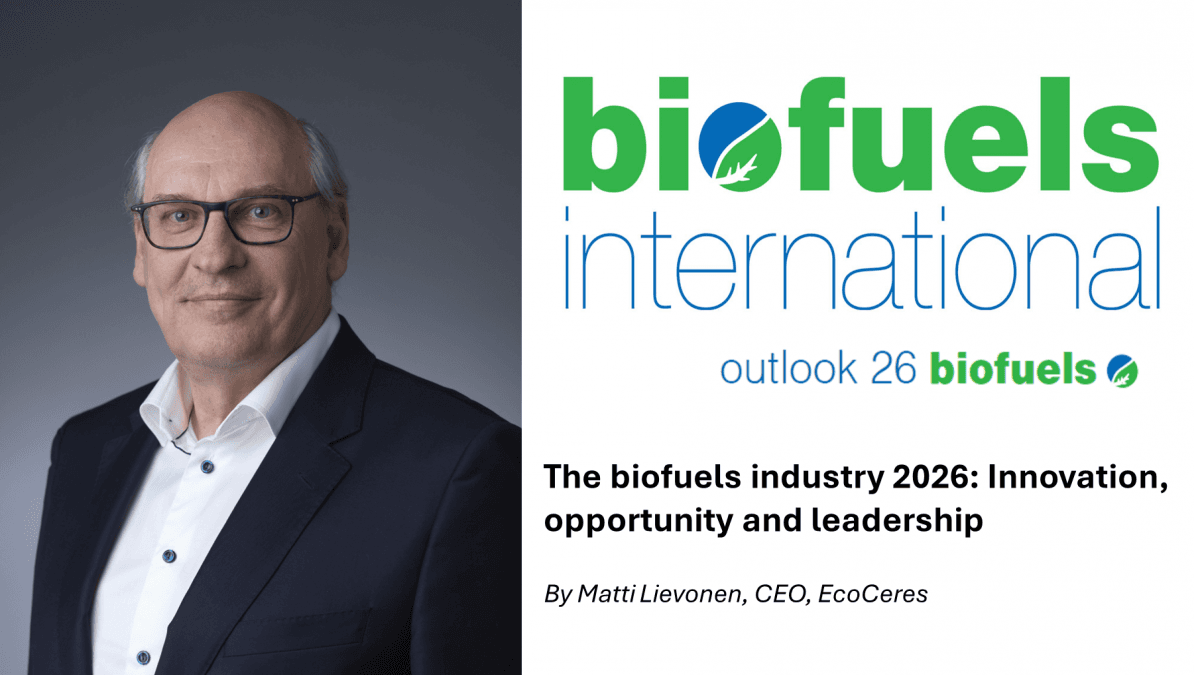
EPA finalized its 2026-2027 Renewable Fuel Standard volumes on April 1, 2026, locking in a harder fight over biomass-based diesel, imported feedstocks and RIN demand. The rule followed EPA’s June 17, 2025 proposal.
The RFS is setting the 2026 market frame
The policy calendar mattered as much as the volume numbers. The White House completed review of EPA’s proposal on June 12, 2025, but the Trump administration did not finalize the 2026 quotas before year-end, a delay that kept traders and producers guessing on compliance demand. The 2026-2027 package significantly increased advanced biofuel volumes compared with the prior set.
Clean Fuels Alliance America stayed on the same volume target throughout the fight. It asked EPA on March 17, 2025 for a 5.25-billion-gallon 2026 biomass-based diesel requirement, then applauded EPA’s final 2026-2027 RFS rules on March 27, 2026. An oil-and-biofuel coalition made the same 5.25-billion-gallon request in April 2025.
Feedstock and trade rules now decide project economics
The biggest operational constraint is no longer only nameplate capacity, it is feedstock access. Domestic U.S. renewable fuels production capacity in 2025 exceeded domestic feedstock supply by 87%, according to Stillwater Associates. That gap made used cooking oil, animal fats, residues and other lower-carbon inputs strategic rather than opportunistic. Plants that can lock in those streams and document their carbon-intensity profile have a clearer path to utilization than plants waiting for domestic oilseed supply to catch up.
EPA also moved the trade issue into the center of the market. On June 13, 2025, EPA proposed higher biofuel blending volumes through rules that would address renewable fuel credits generated through imported feedstocks. That is the part of the rule set that reaches beyond domestic crushing and rendering economics, because import eligibility, traceability and credit generation now sit alongside fuel production itself in the margin stack.
Renewable diesel, SAF, biomethane and waste-based inputs all fit under the same policy umbrella, but they do not carry the same feedstock risk or project finance profile.
Brazil is using the same playbook, with a bigger industrial policy frame
Brazil enacted its Fuel of the Future law on October 8, 2024. In February 2026, the International Council on Clean Transportation called the package a comprehensive legislative framework aimed at energy independence through low-carbon fuels, including sustainable aviation fuel. Brazil’s Ministry of Finance says the law aims to attract at least R$260 billion in private investment, and Valor International’s October 9, 2024 estimate for the package was R$250 billion.
Brazil National Civil Aviation Agency planning documents set out a SAF strategy and emissions-reduction targets tied to 2027.
What is investable now, and what is still promotion
EPA’s final 2026-2027 RFS rule, the 5.25-billion-gallon biomass-based diesel benchmark pushed by Clean Fuels Alliance America and a coalition of oil and biofuel interests, and Brazil’s R$260 billion investment target are the policy-backed anchors.
The more speculative pieces are the routes that still need rule clarity, supply-chain scale or certification depth before they can bank revenue. That includes any pathway that depends on imported feedstocks without a fully settled credit treatment, as well as advanced conversion routes that look promising on paper but still have to prove commercial uptime, feedstock security and buyer commitment.
This article was produced by Prism’s automated news system from verified source data, official records, and press releases, then run through automated quality and moderation checks before publishing. The system is built and supervised by the people who set the standards it runs under. Read our full AI policy.
Did this article answer your question?