Brazil tests ethanol-powered electricity in global first for sugarcane fuel
Brazil’s first ethanol-to-power trial tested whether sugarcane fuel could run a 381 MW plant and open a new grid market. It was billed as a world first.
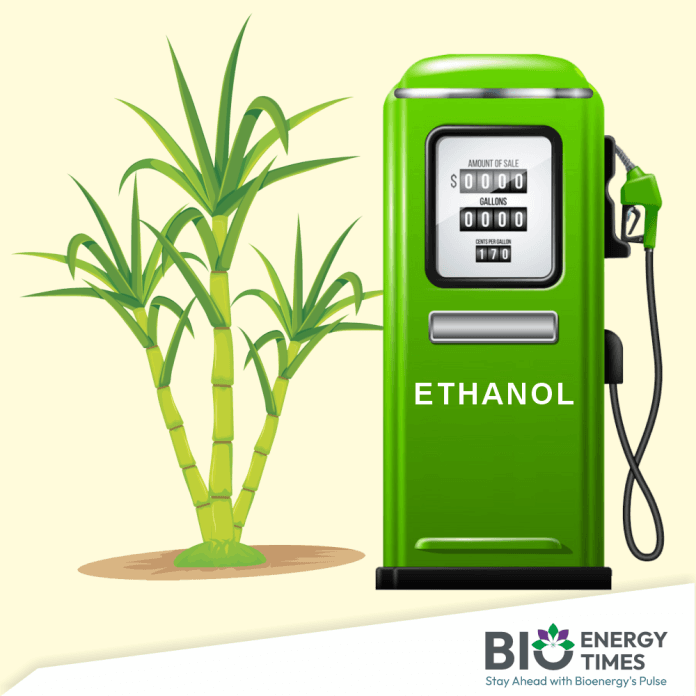
Wärtsilä and Energetica Suape II S.A. on March 26 announced a world-first trial to generate electricity with ethanol mainly made from sugarcane at the Suape II thermal power plant in Recife, Pernambuco, a 381 MW unit majority owned by Grupo Econômico 4M. The test pushes Brazil’s flagship biofuel into a new role, and the market question is simple: does ethanol become a real power-sector demand channel, or stay a niche technical experiment?
Brazil has the supply base to try. UNICA said the country produced a record 36.83 billion liters of ethanol in 2024, up 4.4% from 2023, with corn-based ethanol accounting for 7.7 billion liters. The U.S. Department of Agriculture forecast total Brazilian ethanol production at 32.5 billion liters in calendar 2024 and said Brazil is the world’s second-largest ethanol producer overall and the third-largest biodiesel producer. Brazil’s sugarcane harvest also hit a record 705 million metric tons in the 2023/24 marketing year, underscoring the size of the feedstock base behind the project.
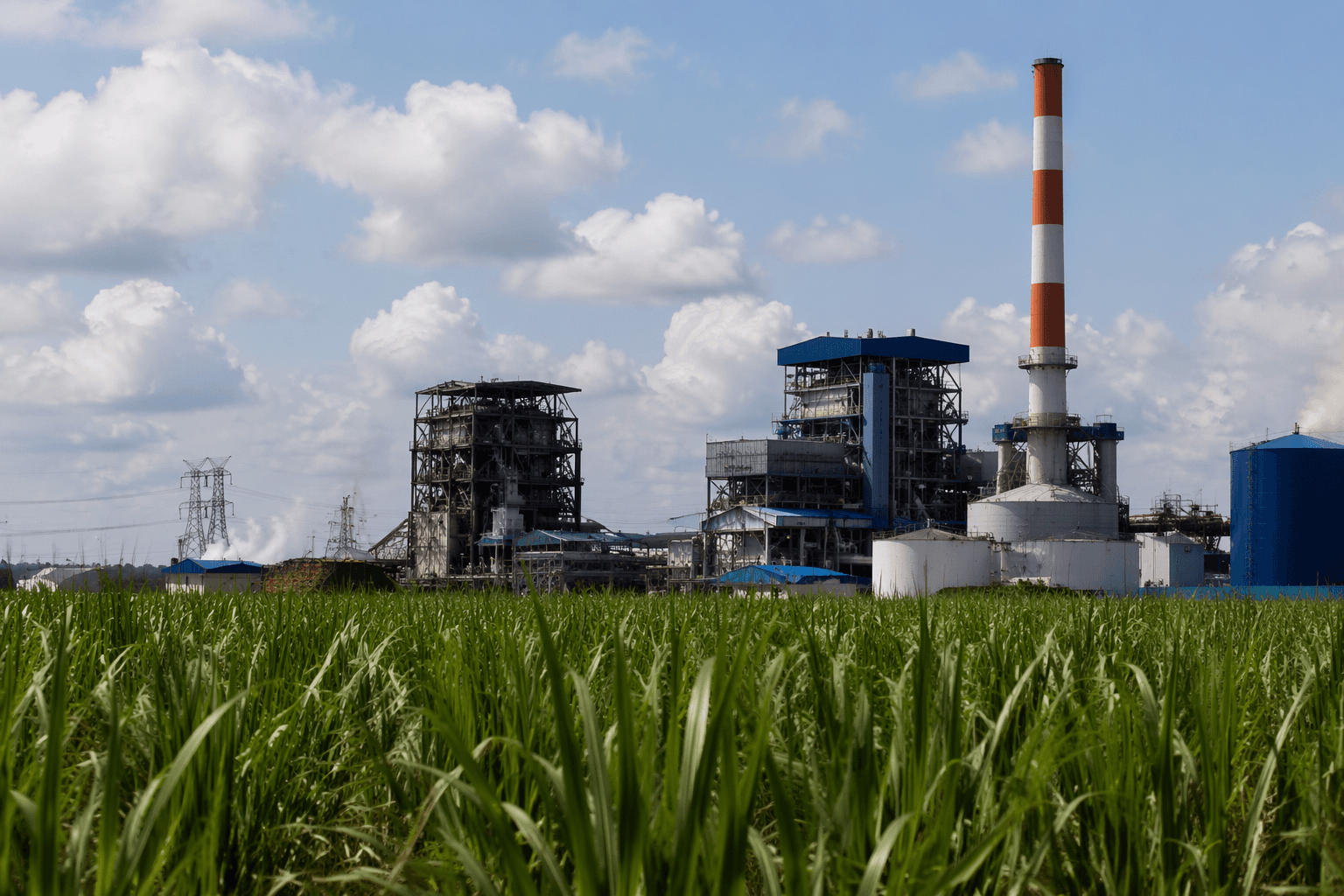
That scale matters because Brazil already has the logistics, storage and blending infrastructure to move ethanol at volume. Most of the fuel has historically gone into vehicles, but the Suape II trial tests whether the same product can also be dispatched into the grid when power demand spikes or when other renewable output falls short. If that works, ethanol would stop being valued only as a transport substitute and start competing as a firm, low-carbon energy asset.
The climate case is straightforward. UNICA says ethanol can cut carbon dioxide emissions by up to 90% versus gasoline, which has helped keep the fuel at the center of Brazil’s mobility strategy. A successful power application would broaden that role further, giving mills, traders and plant operators another market for the same crop-linked molecule and potentially improving economics when transport blending margins soften.
Later reporting said the ethanol engine trial was slated for April 2026 and could involve about 4,000 hours of testing, a sign the project was meant to answer durability, fuel-handling and operating-cost questions, not just prove ignition in a demonstration run. For Brazil, the significance goes beyond one unit at Suape II. If the test holds up at scale, ethanol could gain a second outlet alongside road fuel, and Brazil’s sugarcane chain would have a new way to monetize one of the world’s deepest biofuel platforms.
This article was produced by Prism’s automated news system from verified source data, official records, and press releases, then run through automated quality and moderation checks before publishing. The system is built and supervised by the people who set the standards it runs under. Read our full AI policy.
Know something we missed? Have a correction or additional information?
Submit a Tip