Brazil’s Energis8 targets 1 billion liters of SAF annually
Energis8 said it is targeting 1 billion liters of SAF a year, with production due in 2031 and $1.3 billion in planned capex.

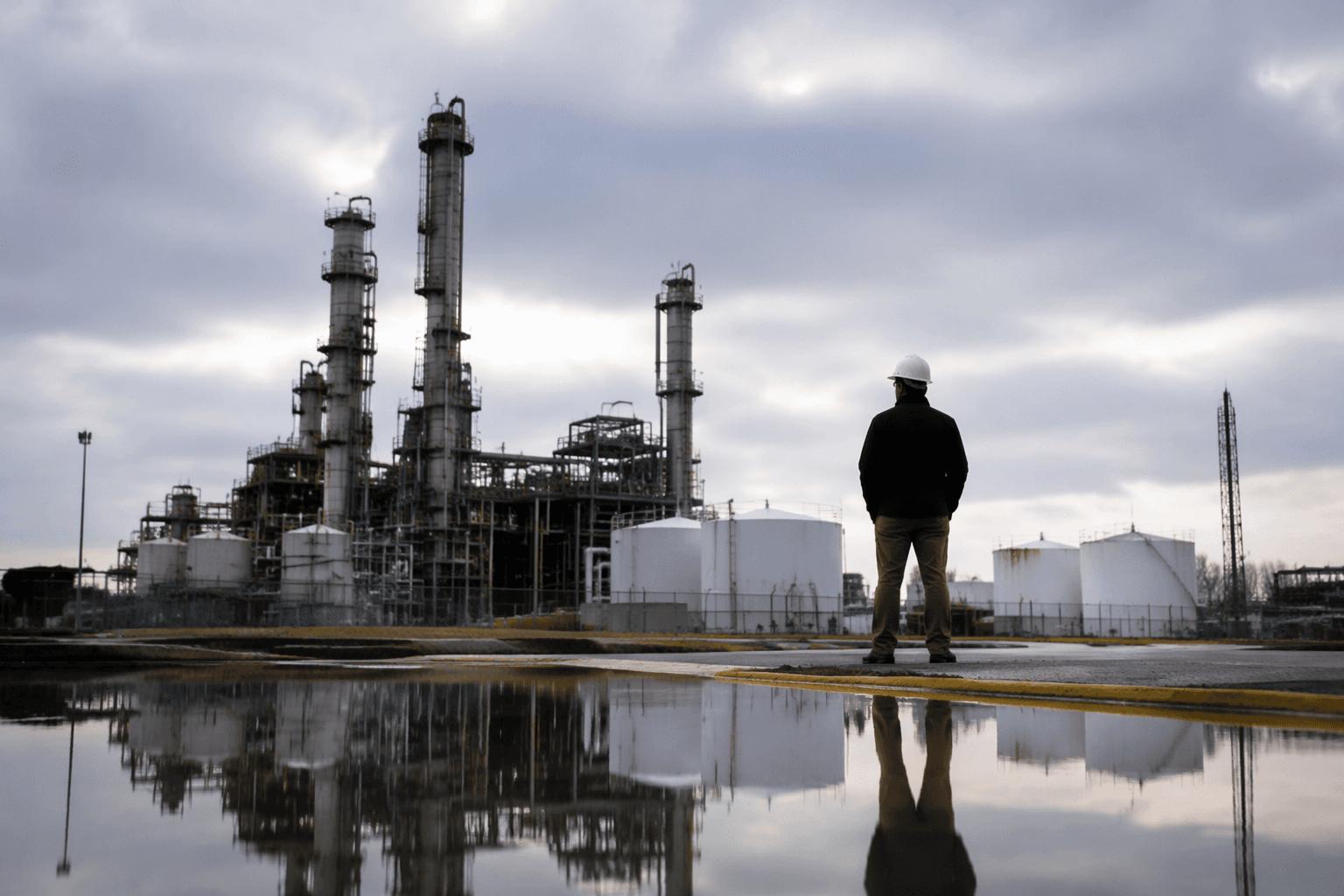
Energis8 on July 14 said it is targeting 1 billion liters of sustainable aviation fuel a year, with production slated to start in 2031. Chief executive Marcos Guerra put the project’s capital expenditure at $1.3 billion, a scale that would make the Brazilian developer one of the larger prospective SAF entrants in Latin America.
The ambition lands against a tighter domestic policy backdrop. Brazil’s Fuel of the Future legislation, passed in 2024, requires airlines to cut domestic-flight carbon dioxide emissions by 1% in 2027 by replacing fossil jet fuel with SAF. ANAC and the Ministry of Ports and Airports then published Brazil’s Action Plan on CO2 Emissions Reduction from Civil Aviation on January 27, 2025, giving the mandate a formal aviation roadmap. Aviation Week has said Brazilian airlines are still unsure how they will comply, while Valor International reported in October 2025 that carriers feared the country would miss the 2027 target because domestic SAF supply remains limited and imported volumes are expensive.
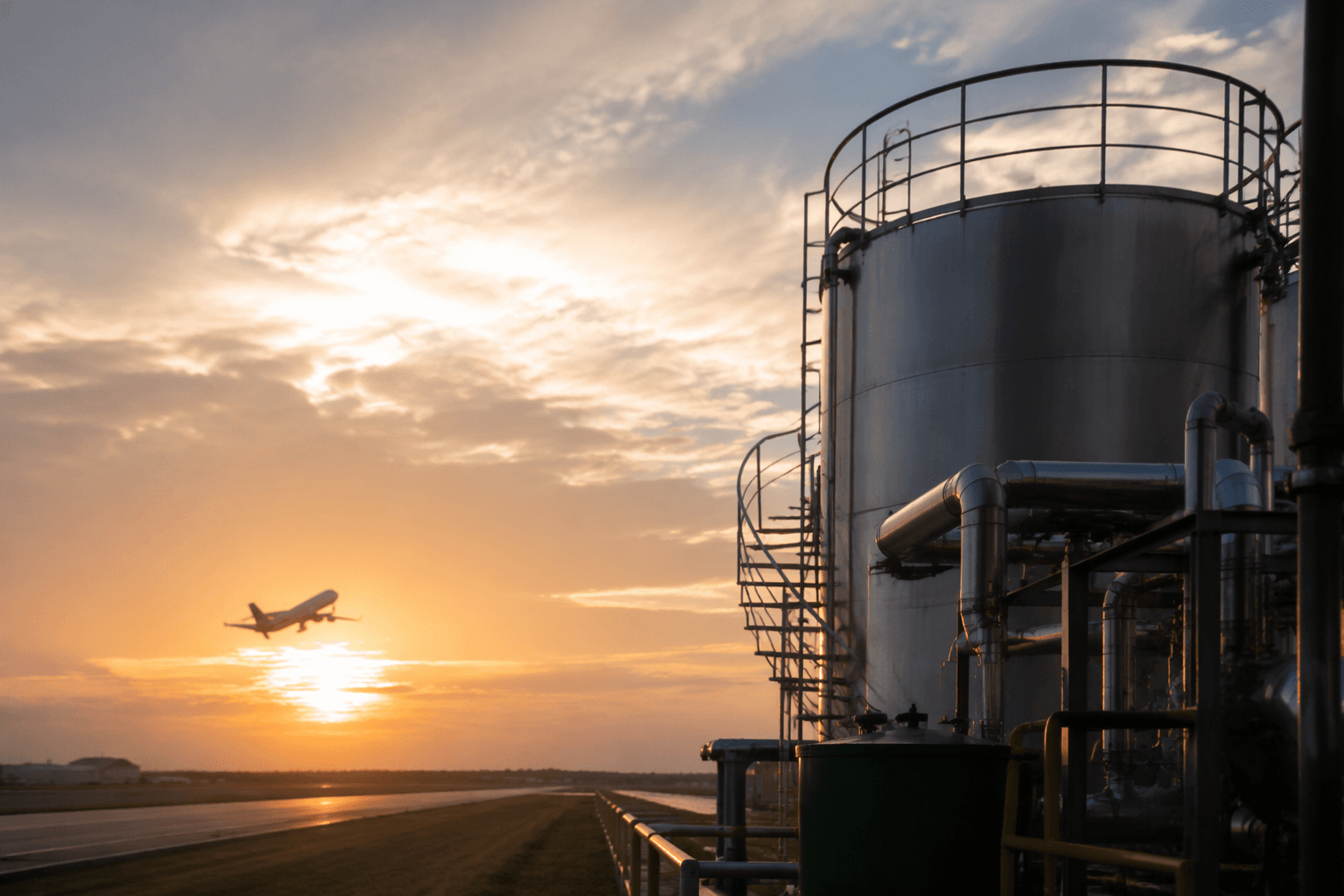
Brazil has been on the map as a possible SAF center for several years. Boeing said in August 2023 that Brazil had the potential to become one of the major global players in SAF, and Reuters noted in 2022 that Latin America was emerging as a hot spot for more climate-friendly jet fuel. The country’s biomass base, sugarcane ethanol logistics and industrial fermentation know-how give developers a starting point, but Energis8’s 1 billion-liter target would still require large-scale feedstock contracting, plant engineering and long-term offtake agreements to move from ambition to operating capacity.
The policy and market signals have only sharpened since then. Brazil celebrated UN recognition on June 30, 2025, for environmental gains from multicropping for jet fuel, reinforcing the government’s case that agricultural systems can support low-carbon aviation fuels. Brazil’s Energy Research Office and ANAC have also been studying multiple SAF production routes and project economics, underscoring that the country is still working through which pathways can scale at commercial cost.
Energis8’s timing leaves a long runway before any barrels reach airlines, but the company’s target now sits inside a national decarbonization plan and a regional race for SAF supply. The next test is not the headline number, but whether Brazil can line up feedstock, finance and buyers well before 2031.
This article was produced by Prism’s automated news system from verified source data, official records, and press releases, then run through automated quality and moderation checks before publishing. The system is built and supervised by the people who set the standards it runs under. Read our full AI policy.
Did this article answer your question?