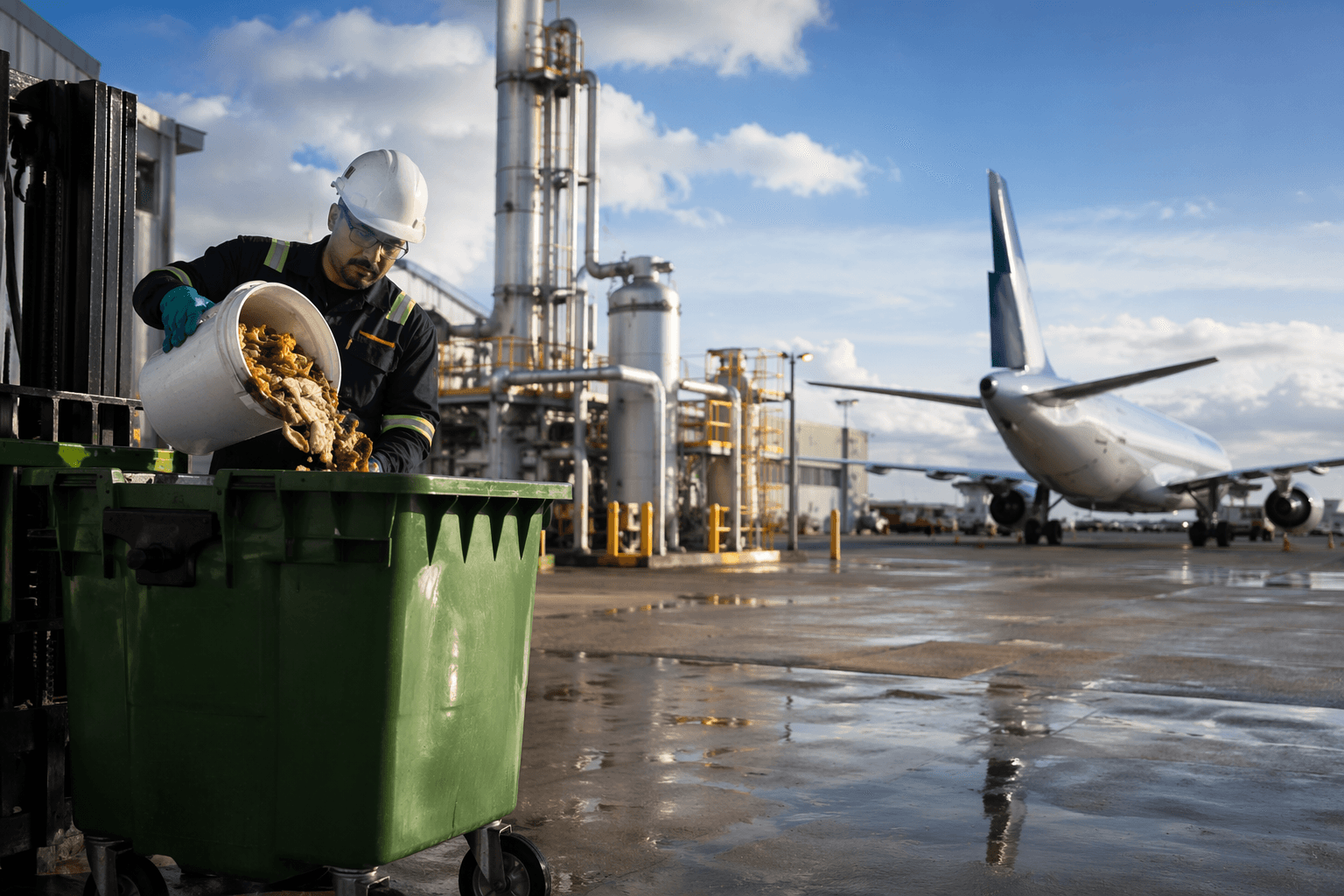
Cargill weighs beef tallow biodiesel in Brazil as tariffs bite
Cargill is studying beef tallow biodiesel in Brazil as U.S. tariffs squeeze exports, just as B15 and E30 lift domestic demand.
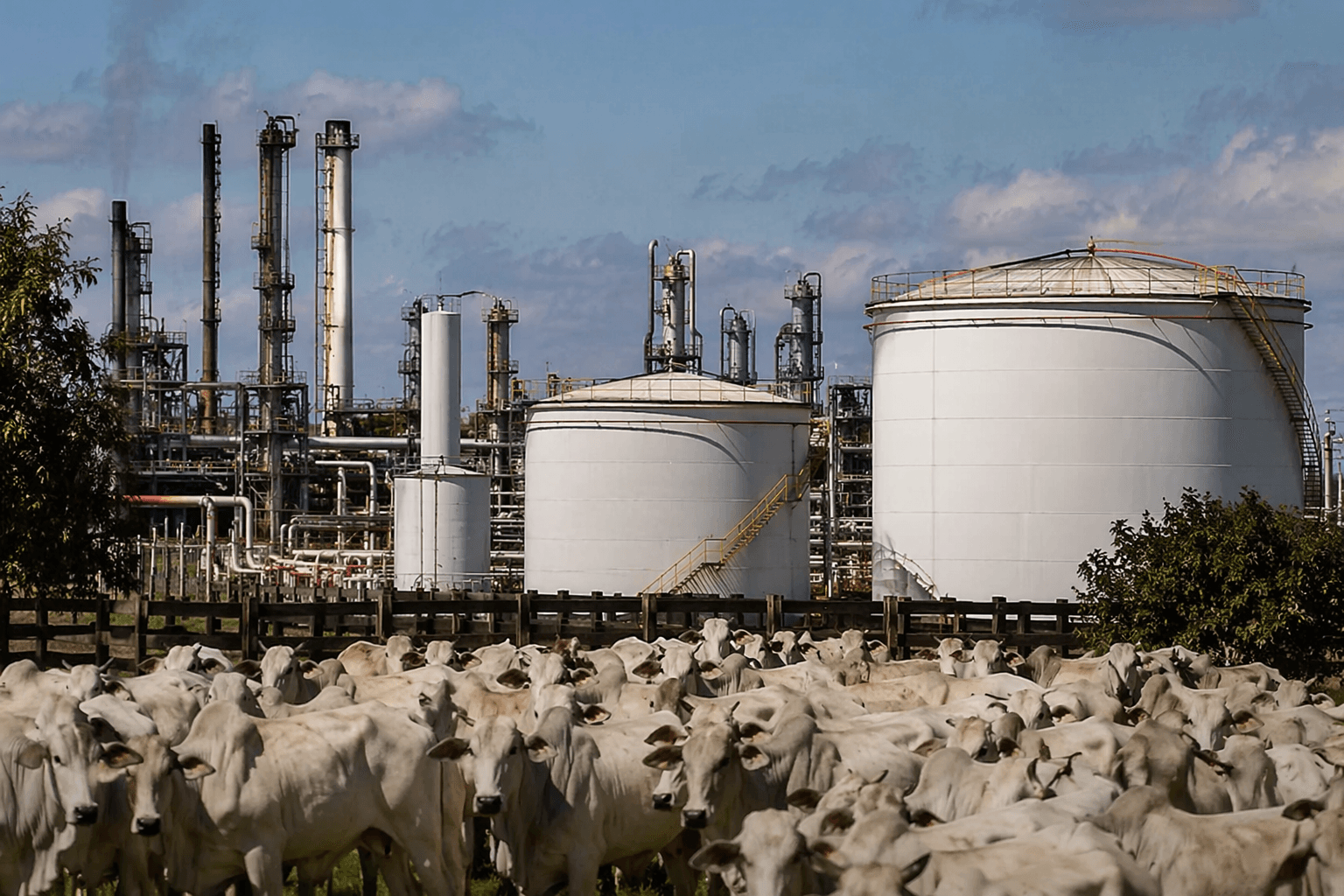
Cargill on June 17 was studying whether beef tallow can be turned into biodiesel in Brazil, as higher U.S. tariffs have made exports of the animal fat less attractive. The shift would give the grain trader another feedstock option in a market where blend mandates and domestic demand are rising.
Brazil’s Ministry of Mines and Energy said the National Energy Policy Council’s June 25 decision to lift the biodiesel mandate in diesel from 14% to 15%, or B15, took effect Aug. 1, 2025, alongside a jump in the gasoline ethanol blend to 30%, or E30. Officials framed the Fuel of the Future policy as a way to strengthen domestic production, lower fuel prices and improve energy security, and the higher biodiesel mandate has already supported record output in 2025.
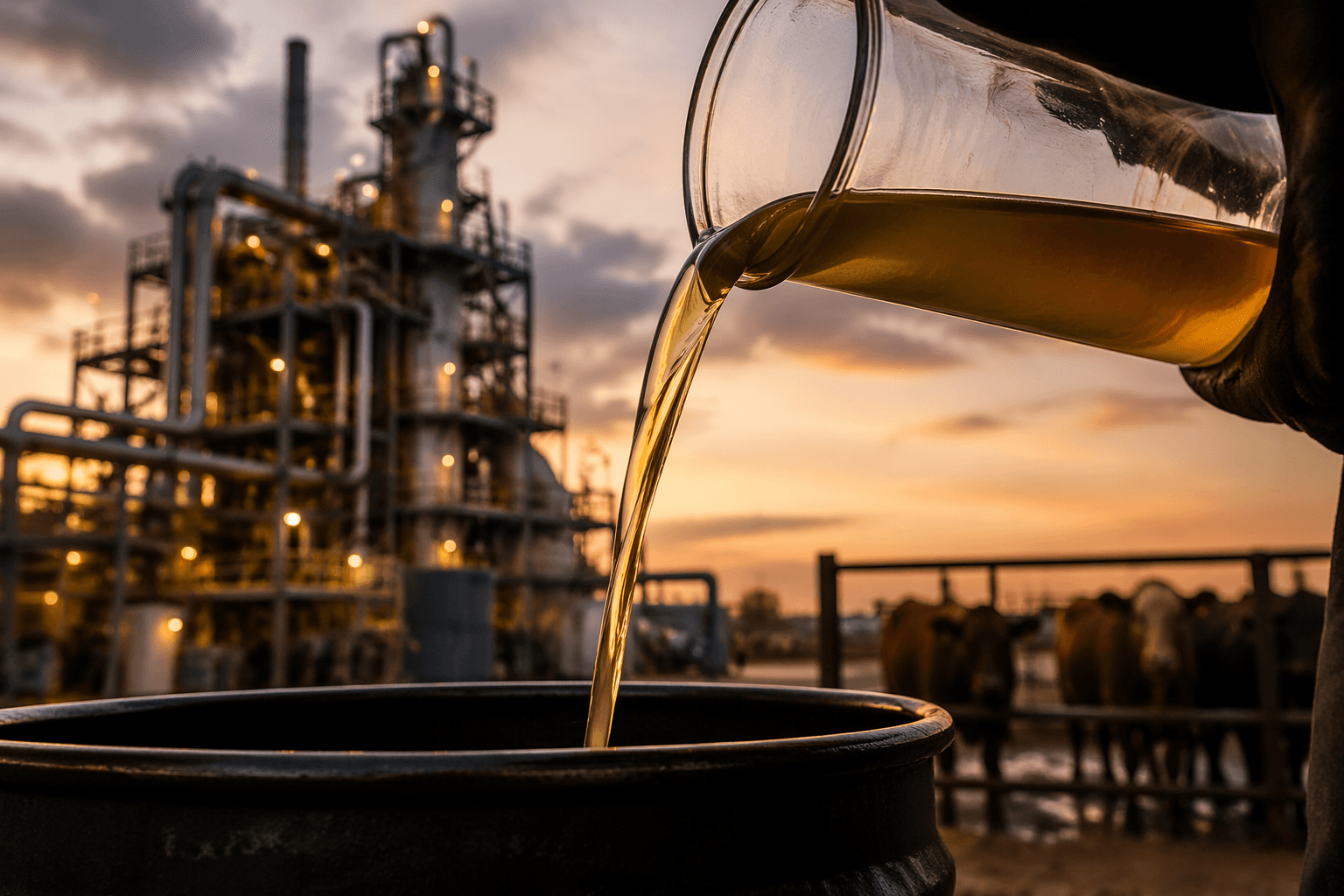
Reuters reported that Brazilian beef tallow exports through July reached 290,800 tons, with nearly 91% of the full-year 2024 total already shipped by that point. Scot Consultoria data showed the United States accounted for almost 98% of Brazil’s beef tallow shipments in that period, underscoring how exposed the trade is to Washington’s tariff regime. Andre Nassar, president of Abiove, said a 50% U.S. import duty on certain Brazilian products would make Brazilian beef tallow sales “prohibitive” in that market.
The economics matter because Abiove says soy processors account for about 75% of Brazil’s biodiesel production, leaving tallow as a potential hedge against a feedstock base that is still heavily tied to soybean oil. Reuters also reported in September 2025 that Brazil’s biodiesel output hit record levels in 2025 after higher blending mandates returned, with ANP data showing soybean oil consumption rising sharply alongside the mandate increase.
Cargill’s interest also fits its broader Brazil strategy. The company has previously sought to expand its local biodiesel footprint through assets linked to Granol, signaling that it sees room to compete beyond the country’s dominant soy-based supply chain. If tallow moves from export byproduct to domestic biodiesel input, slaughterhouse residue could gain a larger role in Brazil’s fuel pool while soybean oil faces a more contested market.
This article was produced by Prism’s automated news system from verified source data, official records, and press releases, then run through automated quality and moderation checks before publishing. The system is built and supervised by the people who set the standards it runs under. Read our full AI policy.
Know something we missed? Have a correction or additional information?
Submit a Tip