CME Group to launch sorghum basis futures for biofuel demand
CME Group will start Sorghum basis futures on Aug. 24, giving Kansas growers and ethanol plants a 5,000-bushel hedge on the sorghum-corn spread.
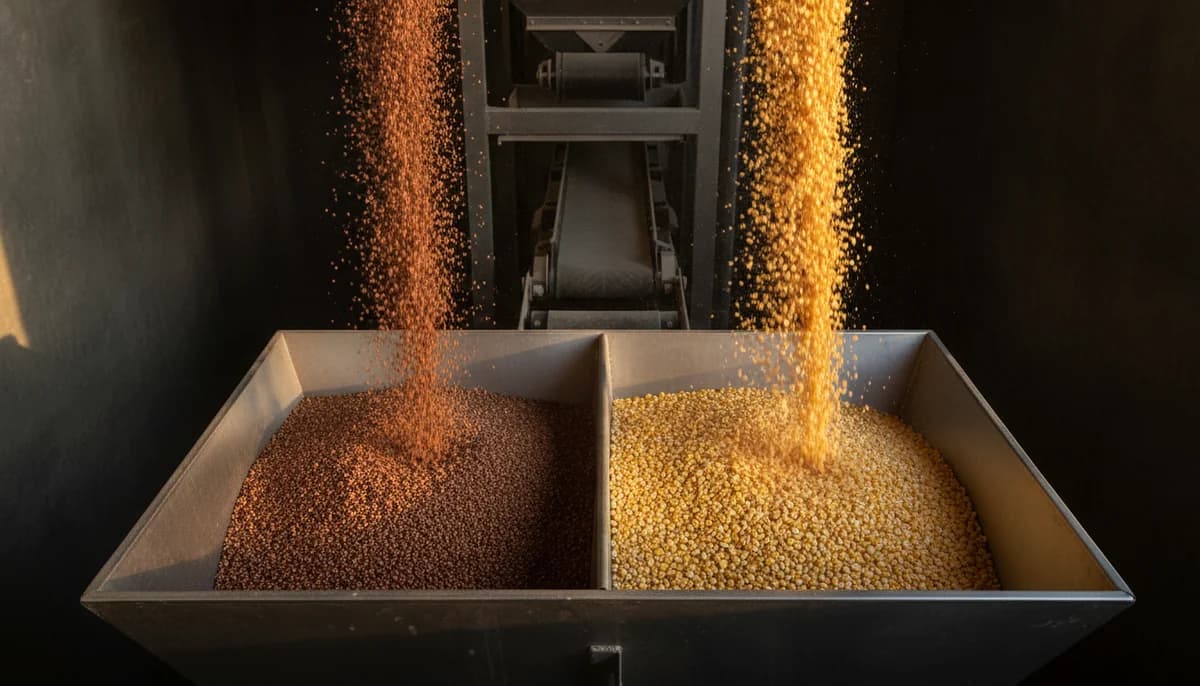
CME Group announced Sorghum basis futures on July 21; the 5,000-bushel contract is tied to the sorghum-corn spread. Trading starts Aug. 24, pending regulatory review, as the exchange targets feed, export and biofuel demand.
The contract will be quoted in U.S. cents per bushel and will have a tick size of $0.0025 per bushel, or $12.50 per contract. The contract will be physically delivered, with grain loaded by truck or rail from a network of elevators in Kansas, the nation’s largest sorghum-producing state, using the basis geography and delivery framework grain traders already know from other Kansas-delivered contracts. Listed contract months will be available.
For growers, merchandisers and ethanol plants that already price sorghum against corn, the new basis future provides a standardized hedge for the differential that drives cash bids. The contract is designed around the price difference between sorghum and corn, two grains used in animal feed and as ethanol feedstock.
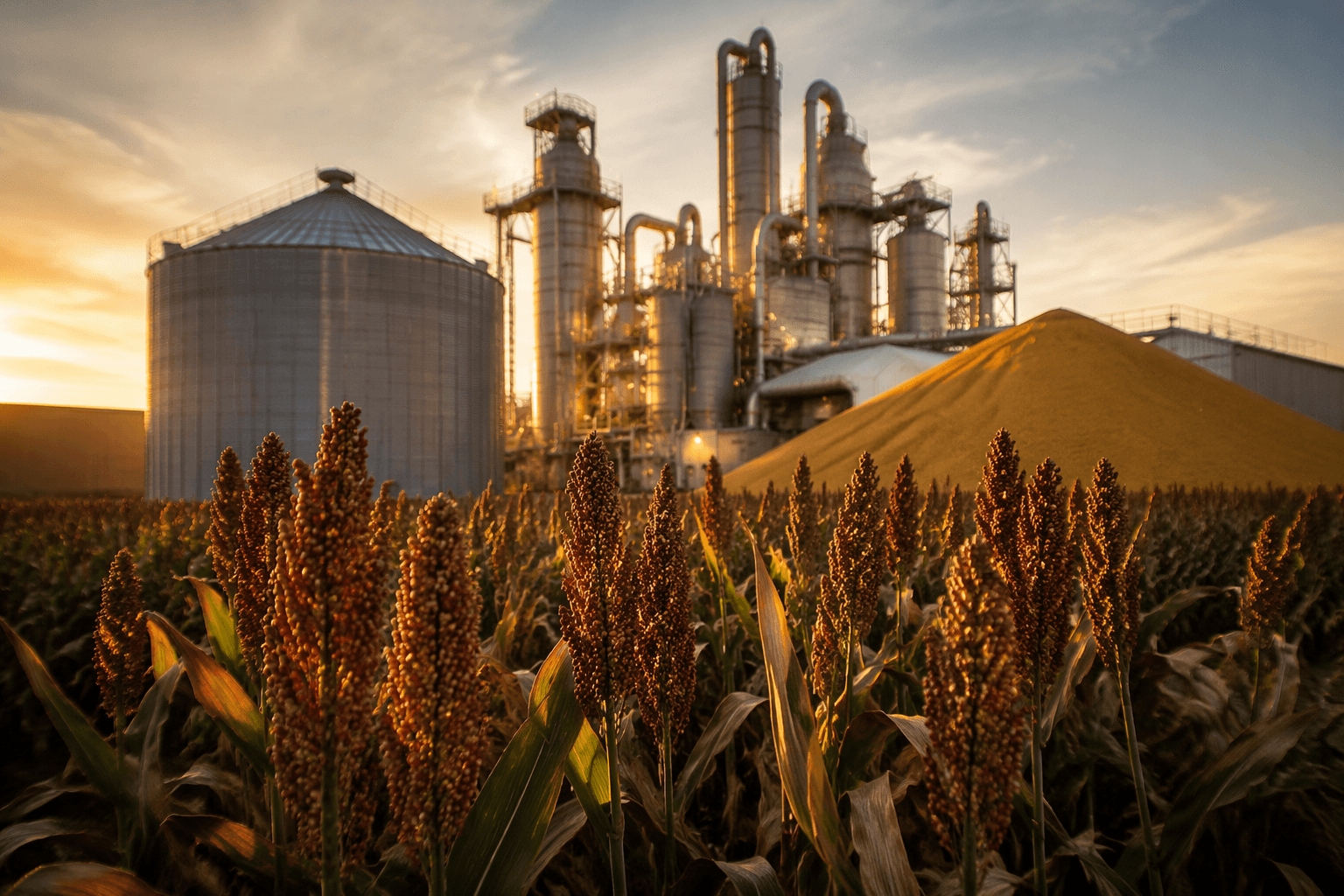
The launch follows a May 2026 Kansas State University white paper by Guy H. Allen and Daniel M. O’Brien, titled Re-Introduction of a Grain Sorghum Futures Contract by the CME Group. The United States is the world’s largest grain sorghum producer and Kansas ranked as the top sorghum-producing state in 2018.
EPA approval of grain sorghum as an eligible feedstock as an advanced biofuel came in 2012, and sorghum has long been a major feedstock for Kansas ethanol plants. A July 2026 biofuels report said sorghum use in ethanol production had doubled.
This article was produced by Prism’s automated news system from verified source data, official records, and press releases, then run through automated quality and moderation checks before publishing. The system is built and supervised by the people who set the standards it runs under. Read our full AI policy.
Did this article answer your question?