Court ruling fuels backlash over India’s E20 ethanol policy
A Raipur court ordered Maruti Suzuki to replace a car in India’s first reported E20 damage case, intensifying complaints over mileage and owner rights.

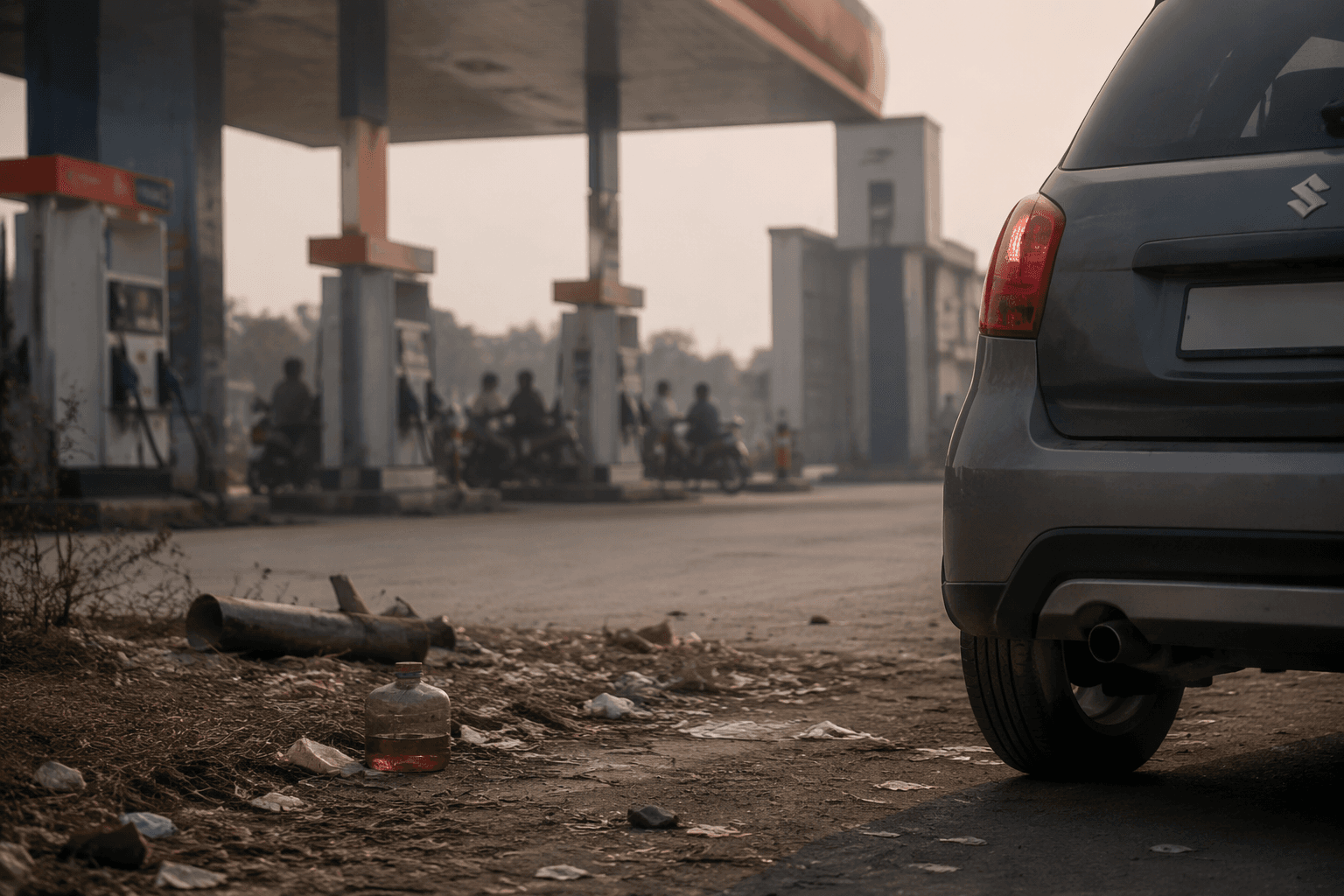
A Raipur consumer court on July 16 ordered Maruti Suzuki to replace a customer’s car in India’s first reported E20 damage ruling after repeated engine faults were linked to the fuel.
The buyer was identified in search results as Dr. Premraj, and the complaint centered on repeated engine trouble after use of E20 petrol, which contains 20% ethanol. Maruti Suzuki said it would challenge the order. The case has sharpened consumer anger over mileage loss, since ethanol carries less energy than petrol and vehicles burn more of it to cover the same distance.
The ruling lands as India’s ethanol-blending policy faces wider resistance from motorists. India reached its 20% blending target in early 2025, ahead of schedule, after the government brought forward the goal by two years. The Ministry of Petroleum and Natural Gas issued a detailed response on 4 August 2025 to concerns about mileage and vehicle life, saying E20 is safe to use. Government clarifications cited in search results said older vehicles may see up to a 6% mileage reduction on E20, while industry groups said the typical hit is around 2% to 4%.
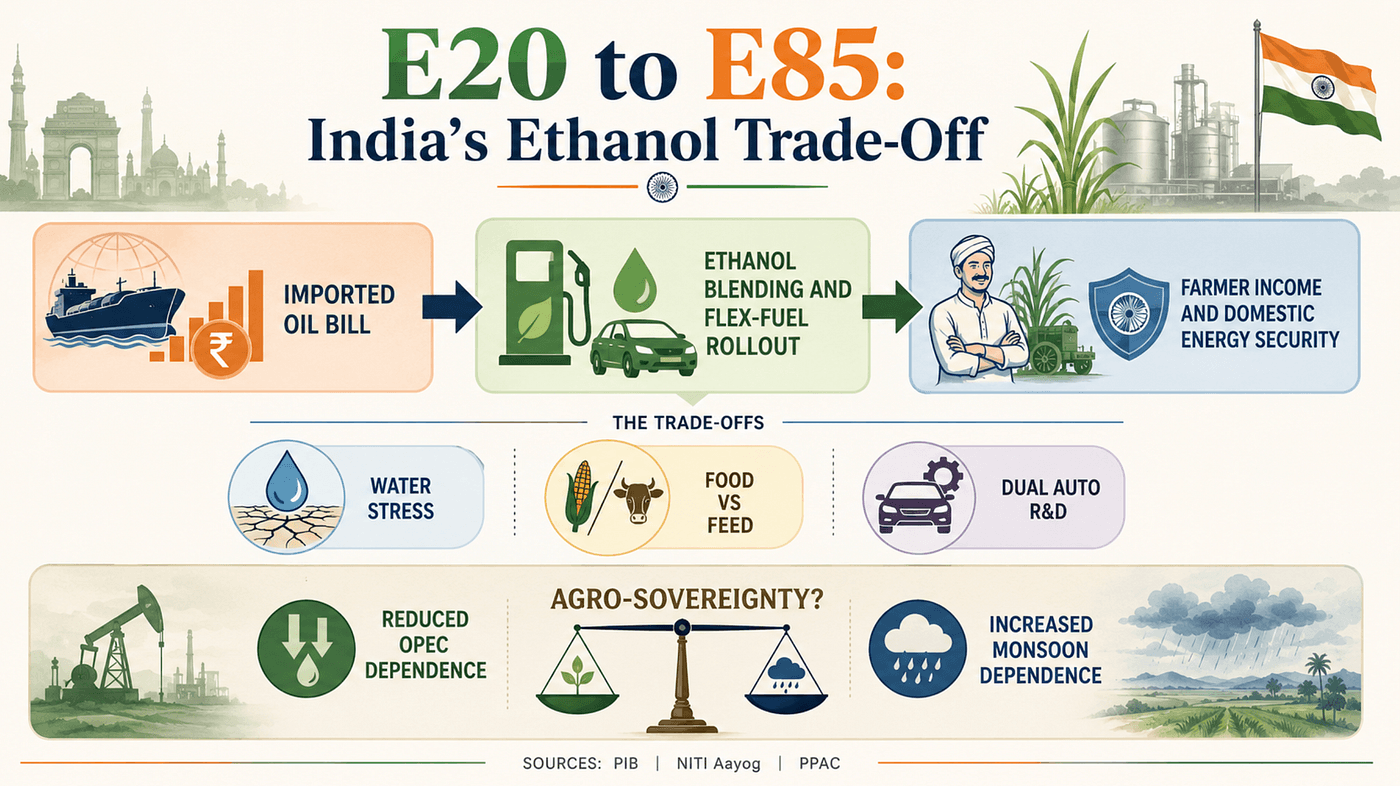
The policy push has been backed as a fuel-security and climate measure, and the Roadmap for Ethanol Blending in India 2020-25 from NITI Aayog and the ministry laid out the scale-up path. The International Energy Agency has described that roadmap as part of India’s effort to cut oil import dependence. Even so, the court case has fed demands for clearer consumer information, including mandatory ethanol disclosure at petrol pumps and on fuel bills, plus a vehicle-wise compatibility database.
The government is also looking beyond E20. Reuters search results show proposals in 2026 to allow higher ethanol blends in vehicles, alongside the rollout of E85 measures. For now, the Raipur order has turned a technical fuel-policy dispute into a liability question for automakers, with owners testing whether the national blending drive is moving faster than vehicle compatibility and consumer protections.
This article was produced by Prism’s automated news system from verified source data, official records, and press releases, then run through automated quality and moderation checks before publishing. The system is built and supervised by the people who set the standards it runs under. Read our full AI policy.
Did this article answer your question?