DHL launches SAF service to cut shipping emissions
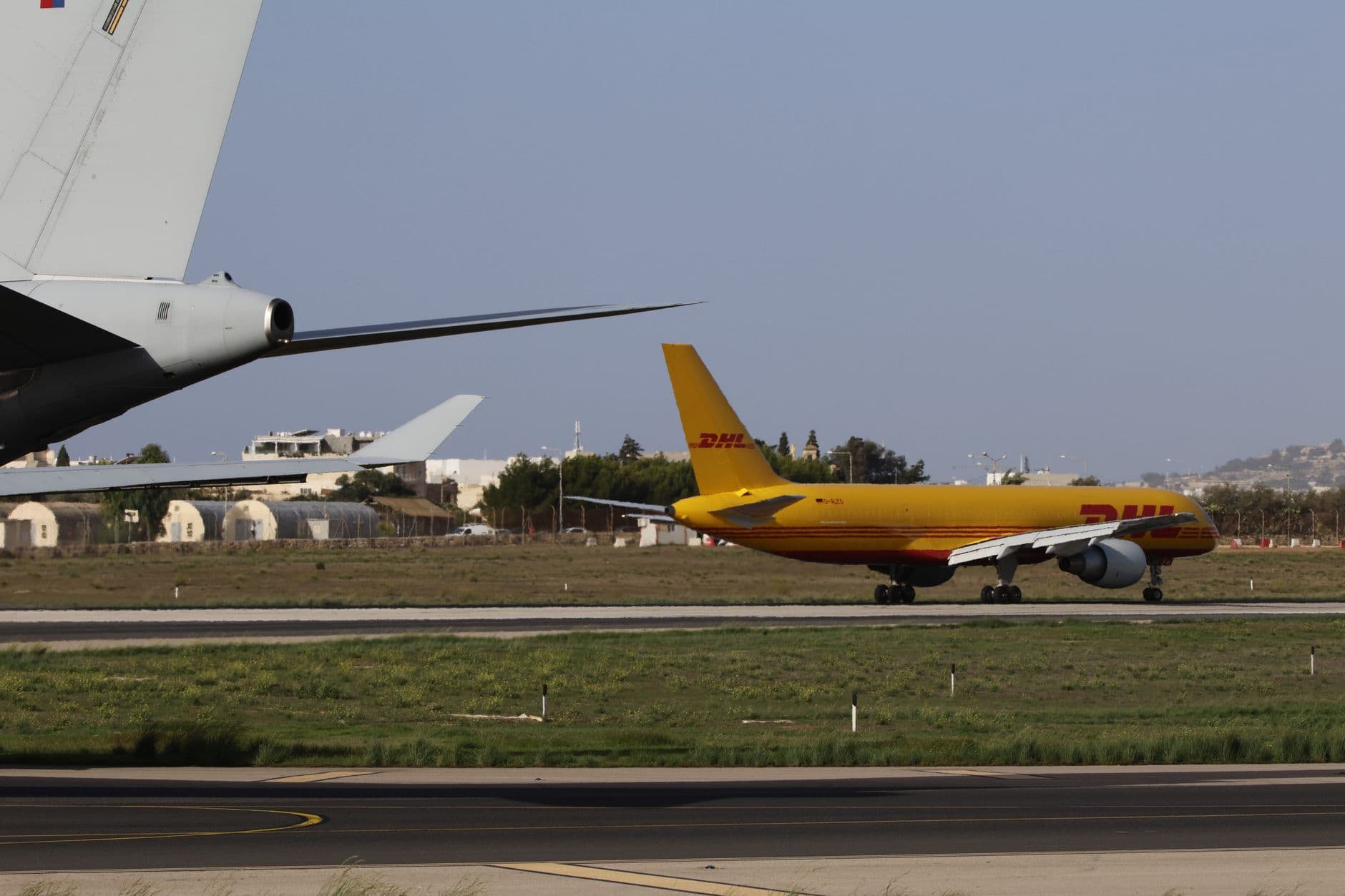
DHL Express rolled out GoGreen Plus, a book-and-claim SAF service, as it said its own fleet hit a 10% SAF blend in 2025.

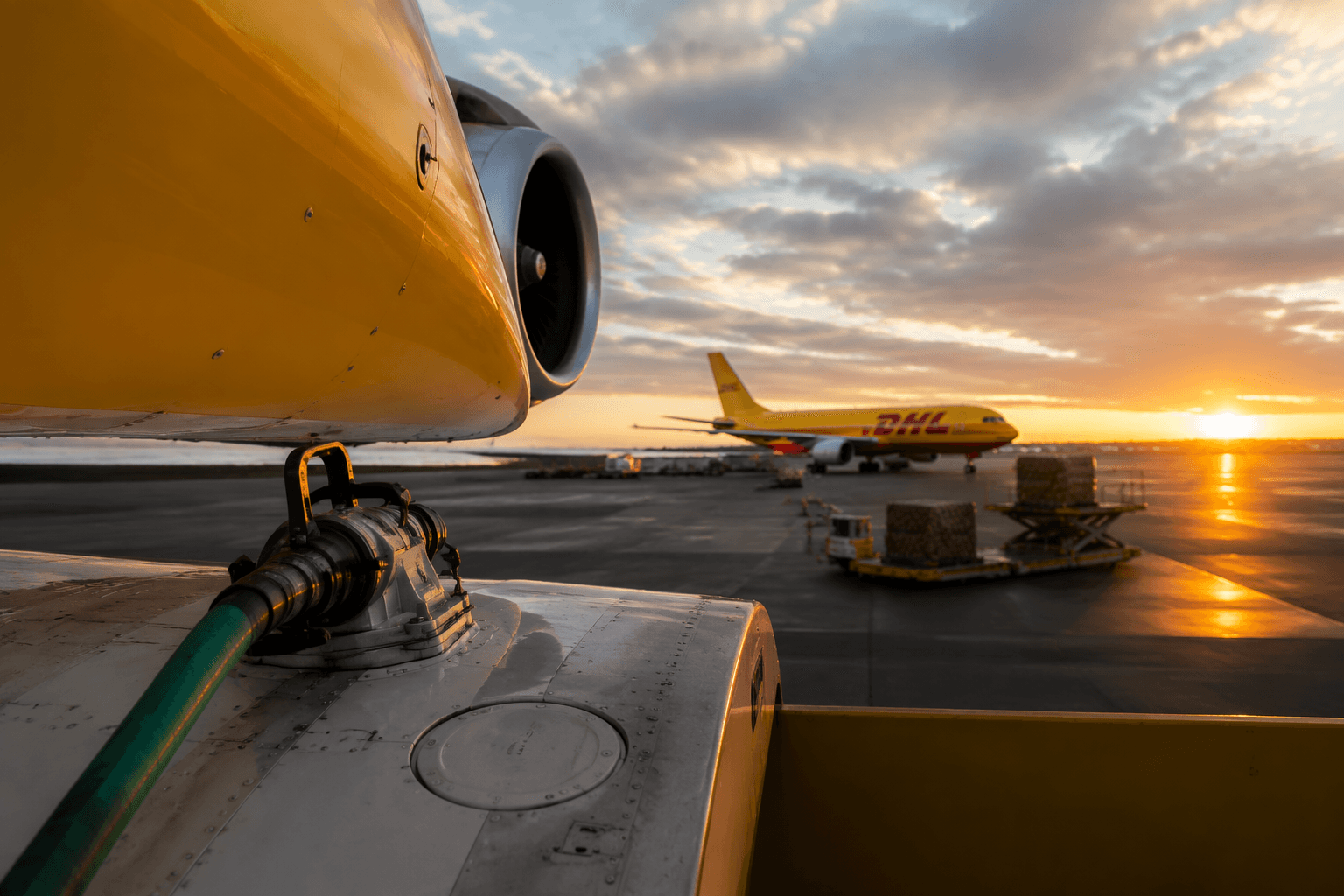
DHL Express on July 17 launched GoGreen Plus, a book-and-claim SAF service for shippers. DHL reached a 10% SAF blending ratio in its own aircraft in 2025.
GoGreen Plus lets customers support sustainable aviation fuel use without requiring their cargo to ride on SAF-powered aircraft. The offer is a way to reduce scope 3 emissions from air transport. DHL aims to spend up to an additional EUR 7bn on decarbonization by 2030, including EUR 66mn for sustainable fuels, EUR 179mn for fleet electrification, EUR 24mn for buildings and EUR 15mn for rail and biogas trucks.
SAF is currently the best option for cutting aviation emissions, but the scaling problem remains: producers need demand to justify investment, while buyers want supply before committing at scale. IATA puts SAF at the main lever for aviation’s decarbonization and at about 65% of the emissions reductions needed to reach net zero CO2 emissions by 2050. IATA put SAF production at 1.5 million metric tons in 2024, still only 0.53% of aviation fuel requirements. The first commercial test flight using SAF took place in 2008, and aircraft use was approved in 2011.
The European Union adopted ReFuelEU Aviation on Oct. 31, 2023, and the rule begins with a 2% SAF blending requirement at Union airports in 2025. DHL has also built supply coverage through commercial agreements, including a 2023 deal for 668 million liters of SAF that could cut about 1.7 million tonnes of carbon dioxide over the fuel lifecycle, plus later supply agreements with SAF One in Dubai and Phillips 66 in the United States. DHL and Formula 1 put the reduction at around 80% per flight versus conventional aviation fuel.
This article was produced by Prism’s automated news system from verified source data, official records, and press releases, then run through automated quality and moderation checks before publishing. The system is built and supervised by the people who set the standards it runs under. Read our full AI policy.
Did this article answer your question?