Ecopetrol, GIZ study pilot e-SAF plant at Cartagena refinery
Ecopetrol and GIZ opened a two-year study for a pilot e-SAF plant at Cartagena, building on a 5-megawatt hydrogen unit.
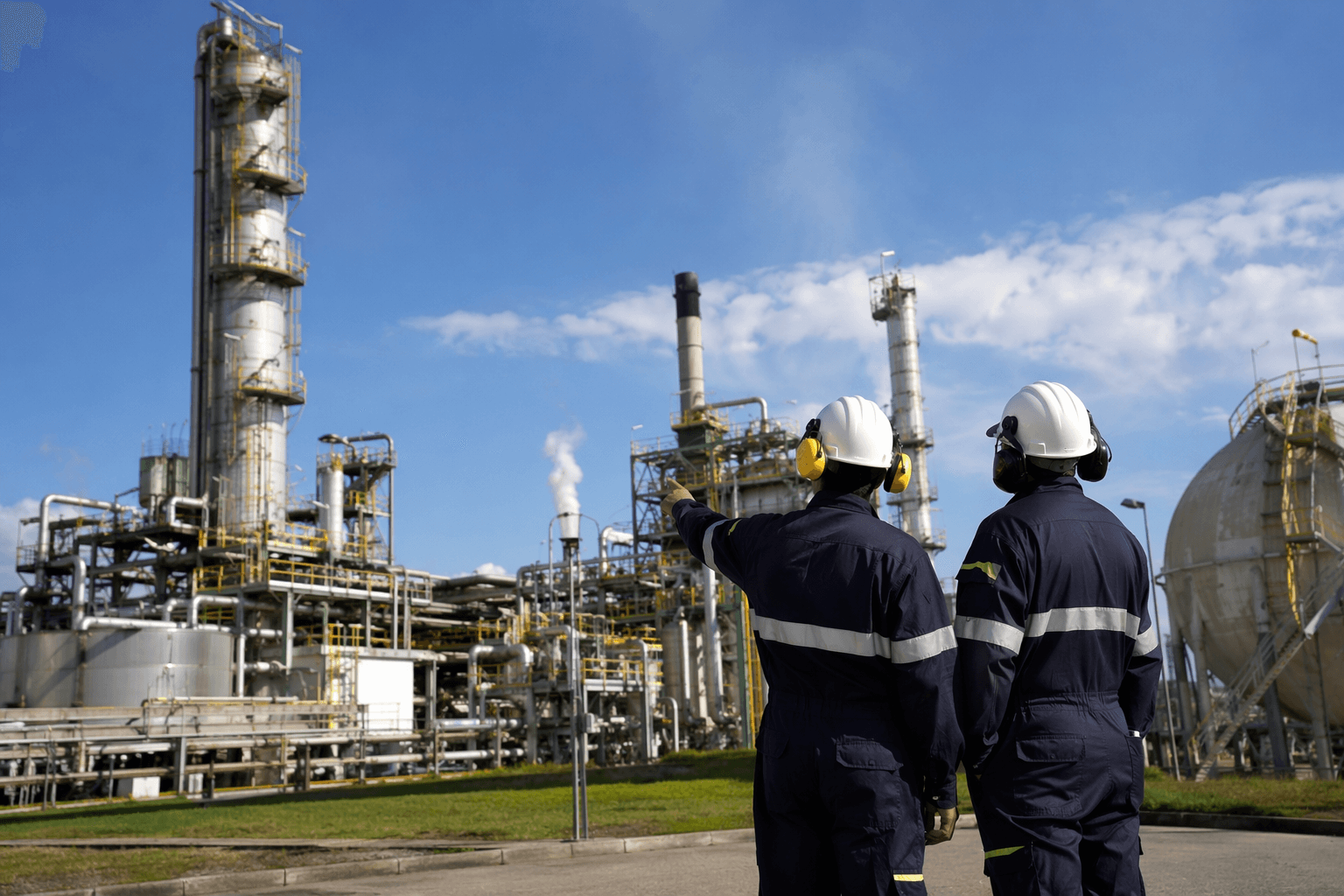
Ecopetrol on June 19 signed a two-year agreement with the German Cooperation for Development, GIZ, to study a pilot Power-to-Liquid plant in Cartagena that would make e-SAF from green hydrogen. The work will cover feasibility and engineering for a unit that could sit alongside Ecopetrol’s Cartagena refinery and become one of Colombia’s first synthetic aviation fuel projects.
The companies said the study will test whether the project can be bankable, with the refinery’s existing infrastructure as the base case. Ecopetrol framed the initiative as part of aviation decarbonization, while GIZ has been promoting power-to-X as a way to turn renewable electricity into synthetic fuels and other industrial products.
Cartagena is already Ecopetrol’s main proving ground for hydrogen and aviation fuel conversion. The company said its first green hydrogen pilot at the refinery began in March 2022 with a 50-kilowatt PEM electrolyzer and 270 solar panels, a project Ecopetrol described as a Latin American first. In December 2024, Ecopetrol announced installation of a much larger 5-megawatt electrolyzer at Cartagena, designed to produce up to 800 tons of green hydrogen a year and replace the same volume of gray hydrogen in refinery operations.
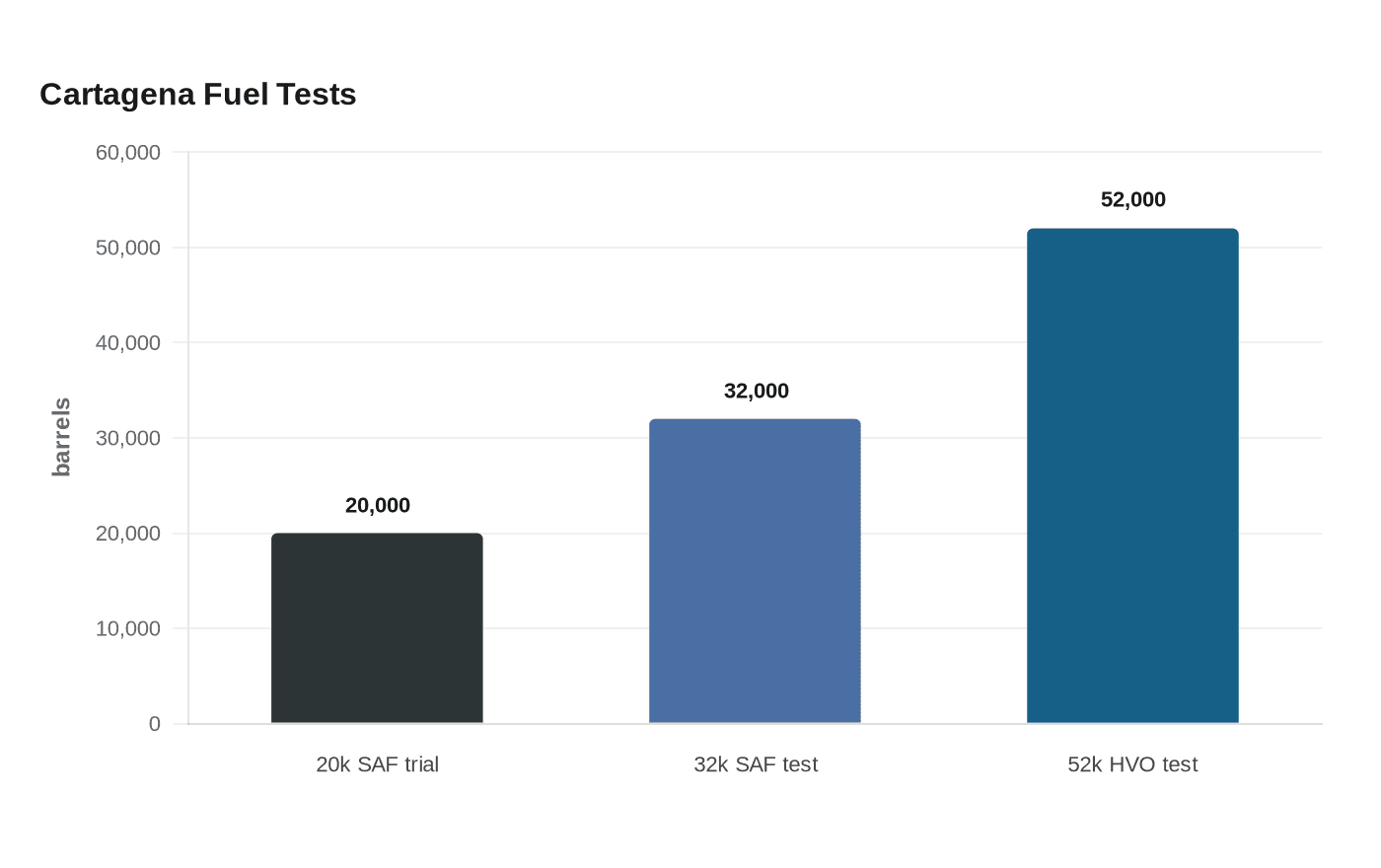
The refinery has also already handled SAF production testing. In October 2024, Ecopetrol said it would begin trials to produce the first 20,000 barrels of renewable aviation fuel at Cartagena. The company later said the seven-day test ran successfully and the fuel would undergo laboratory review to verify quality and compliance with international standards. Ecopetrol’s 2025 integrated report materials then said industrial testing at Cartagena reached 32,000 barrels of SAF and 52,000 barrels of HVO.
The new e-SAF study pushes the Cartagena complex one step further up the value chain, from hydrogen replacement and conventional renewable fuel trials into synthetic fuel production tied to renewable power. The hard questions now sit in the engineering phase: access to low-cost electricity, a secure green hydrogen supply, sourcing concentrated carbon dioxide for the Power-to-Liquid route, policy backing, and offtake demand from airlines that need certified SAF volumes. ICAO says SAF has the greatest potential to cut CO2 emissions from international aviation, and it has set an aspirational goal of reducing international aviation emissions by 5% by 2030 through SAF and other cleaner aviation energies. That makes Cartagena a live test of whether Colombia can move from pilot claims to commercial e-SAF output.
This article was produced by Prism’s automated news system from verified source data, official records, and press releases, then run through automated quality and moderation checks before publishing. The system is built and supervised by the people who set the standards it runs under. Read our full AI policy.
Know something we missed? Have a correction or additional information?
Submit a Tip