Ence’s Navia biofactory boosts biomass use with €48 million upgrade
Ence put a €48 million Navia upgrade into service, letting bark and woody residues fire the biomass boiler and displace fossil fuels in lime kilns.
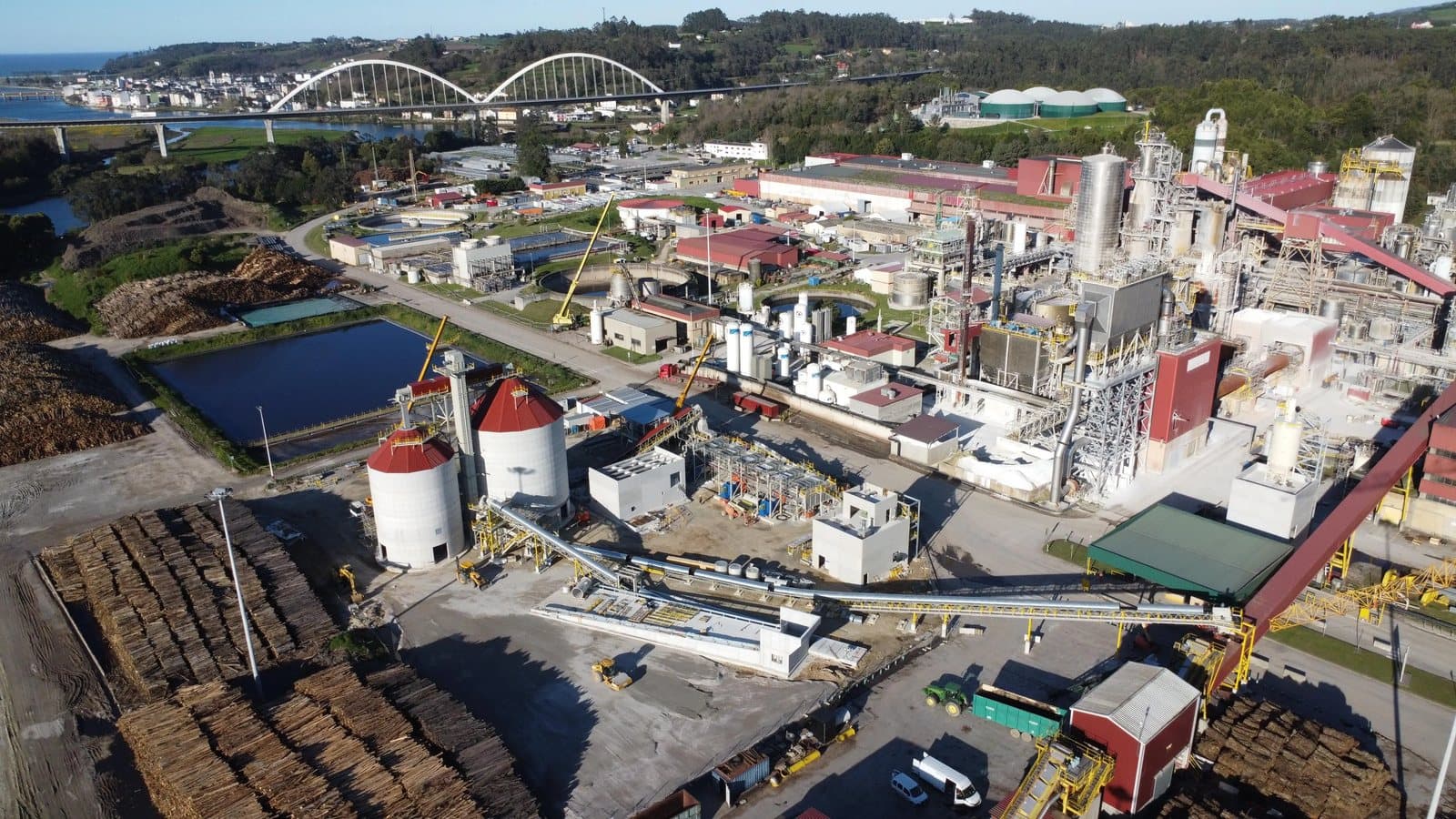
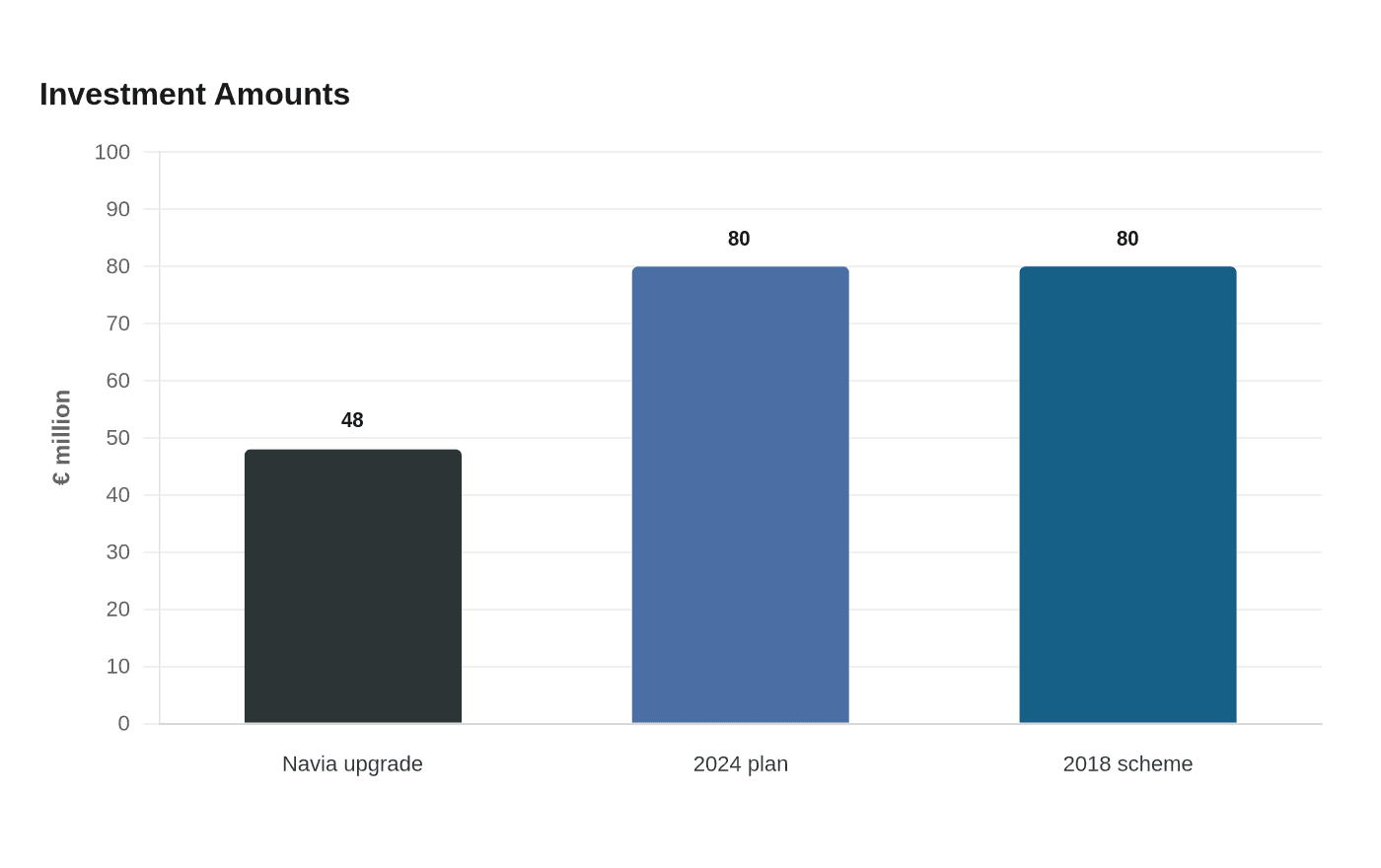
Ence completed a €48 million upgrade at its Navia biofactory on July 23, putting two industrial projects into full operation. The work was aimed at improving competitiveness and energy efficiency by using more of its own bark and other woody by-products as fuel.
The Asturias site added a new timber-processing line with two debarkers and a chipper that can handle logs up to five metres long. Ence also installed a biomass preparation and combustion system for the mill’s lime kilns, replacing fossil fuels with biomass and increasing the availability of internal residues for the plant’s biomass boiler. That setup cuts fuel purchases while also reducing the need to move bark and other by-products off site.
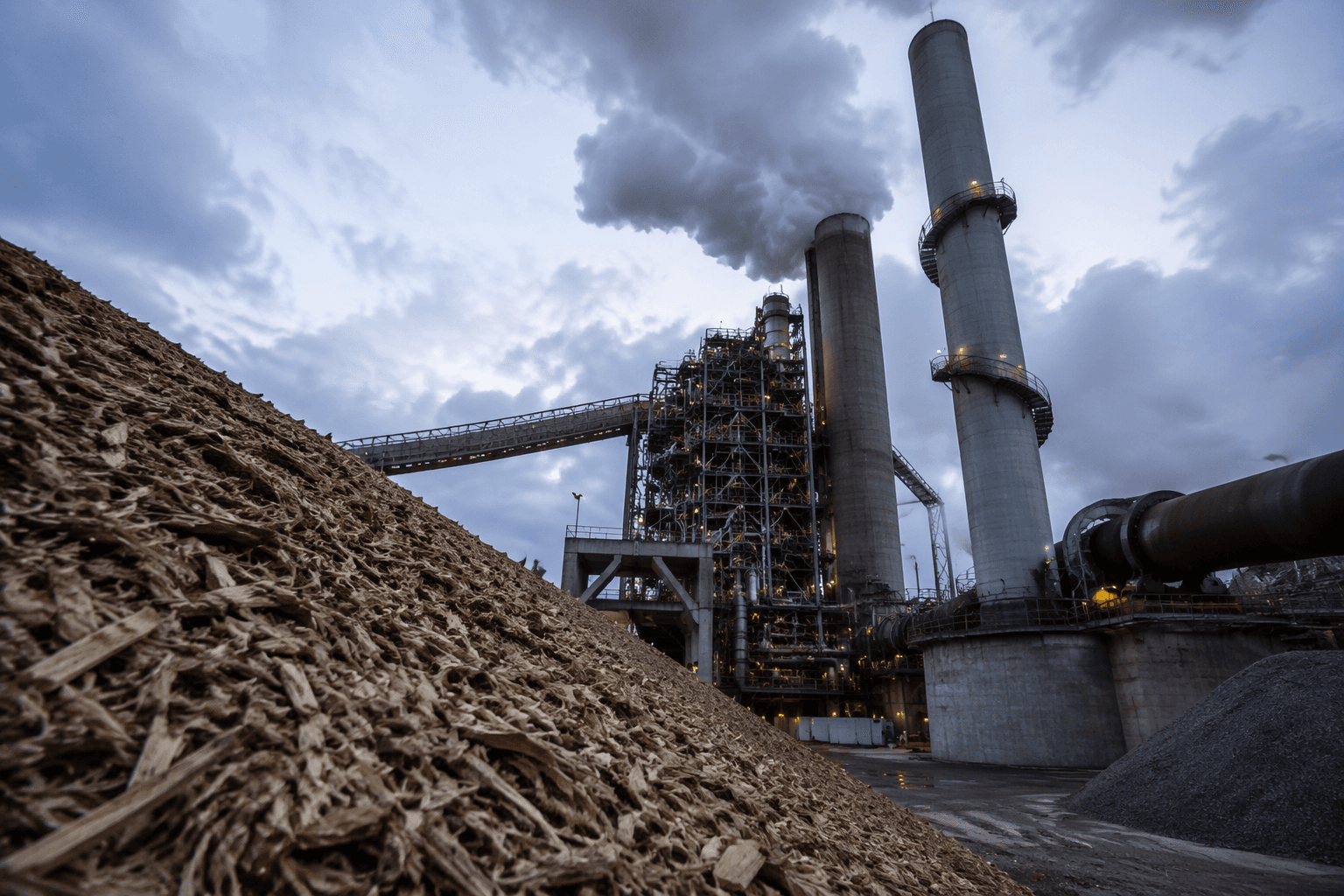
Navia is Ence’s highest-capacity plant, with output of 685,000 tonnes a year of high-quality eucalyptus ECF pulp. The Navia 80 project in 2019 added 80,000 tonnes a year of capacity. The latest round of work sits inside a broader decarbonisation push in Asturias, after Ence planned nearly 80 million euros of investment at the biofactory in 2024 for projects linked to that effort.
In 2018, Ence selected GBS as boiler supplier for a 40-MW Spanish biomass project and planned to invest more than 80 million euros in that scheme. At Navia, internal bark and other woody residues become boiler fuel, the lime kilns burn less fossil input, and the mill keeps more of the energy value of each log it processes.
Spain was Europe’s fifth-largest wood pulp producer, with 1.5 million tonnes in 2022, equal to 4.4% of European output, and it generated about 7.3 million dry tonnes of woody biomass a year, including industrial by-products such as bark. Spain also had 615 MW of installed biomass electricity capacity.
This article was produced by Prism’s automated news system from verified source data, official records, and press releases, then run through automated quality and moderation checks before publishing. The system is built and supervised by the people who set the standards it runs under. Read our full AI policy.
Did this article answer your question?