EU biodiesel output rises to 14.7 million tonnes as HVO grows
EU biodiesel and bioSAF output climbed to 14.7 million tonnes in 2025, but EBB says policy uncertainty is still stalling new capacity.
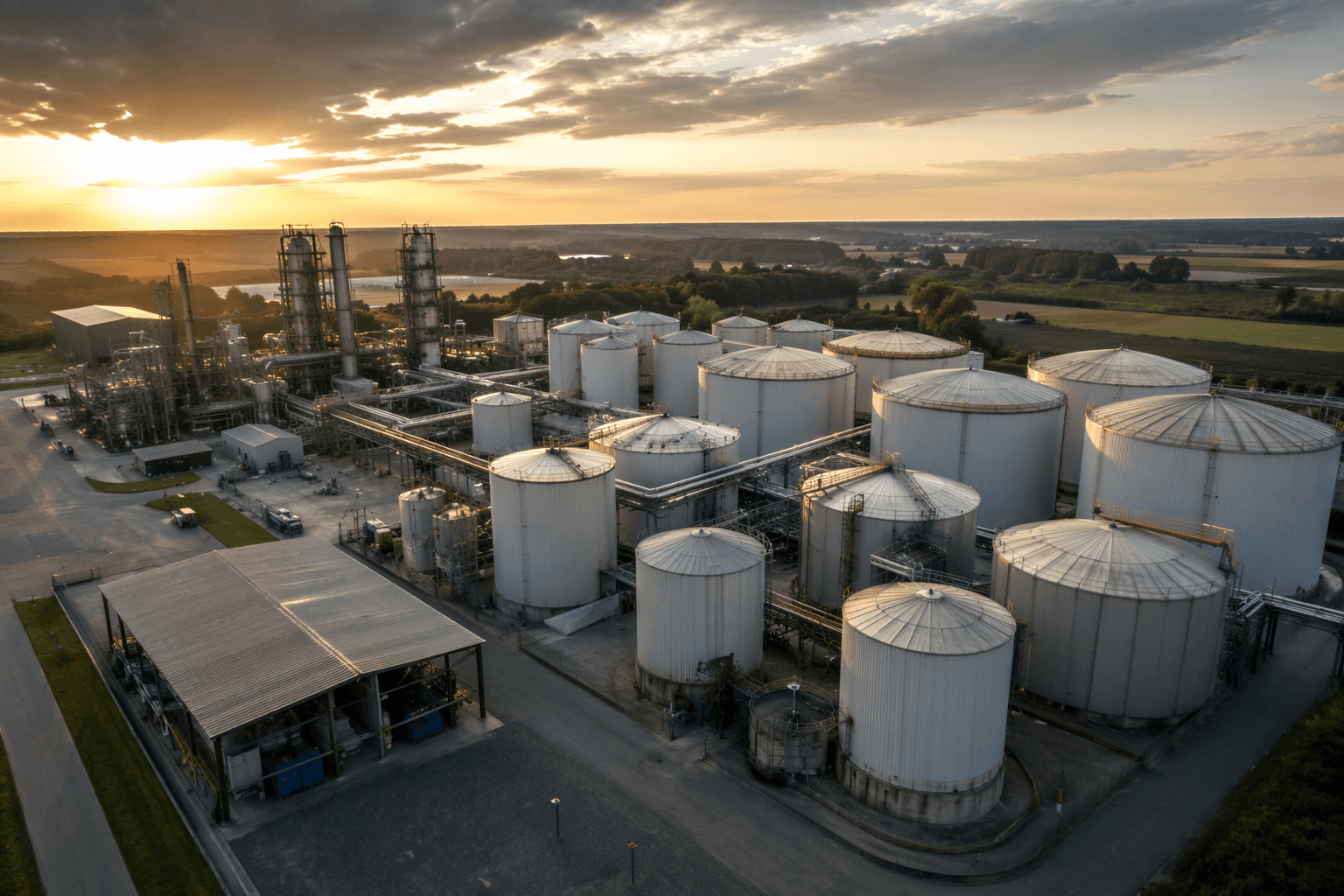
The European Biodiesel Board on June 8 said EU-27 output of biodiesel and bioSAF rose slightly to 14.7 million metric tonnes in 2025, with HVO and HEFA-based SAF doing most of the lifting while investment appetite remained weak. The trade group said the market is producing more low-carbon liquid fuels, but policy uncertainty and regulatory complexity are still slowing expansion, even as demand for renewable fuels continues to build.
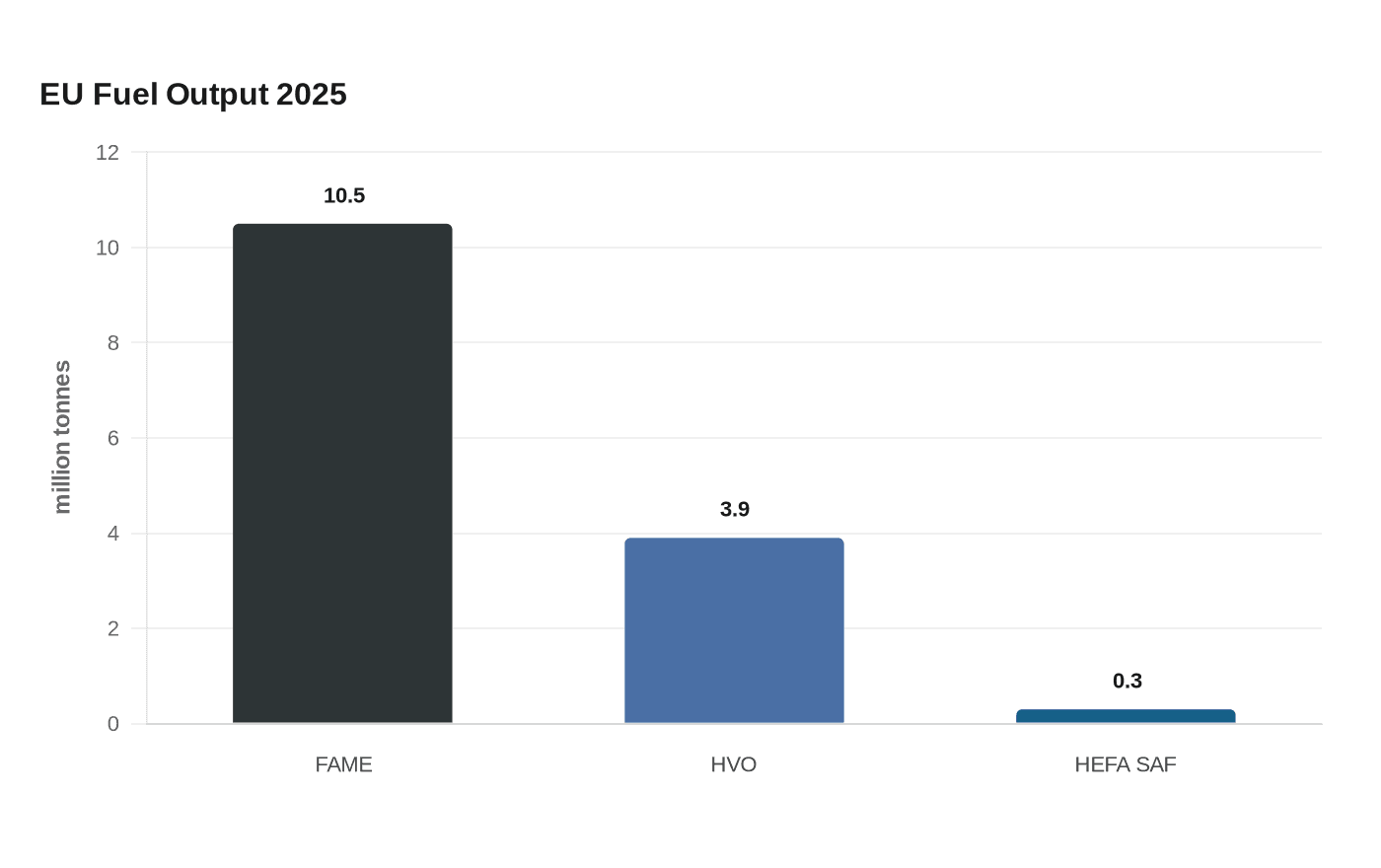
EBB’s 2025-2026 Statistical Report put FAME production at 10.5 million tonnes, HVO at 3.9 million tonnes and HEFA-based SAF at 0.30 million tonnes, a category that effectively doubled from a very small base. The association said it represents around 65% of the EU’s biodiesel, meaning FAME and HVO, and bioSAF output, giving its report a wide view of the market even if it remains industry-led. EBB also said the EU imported about 1.76 million tonnes of HVO and about 1.54 million tonnes of FAME in 2025, with FAME imports down roughly 22% from 2024.
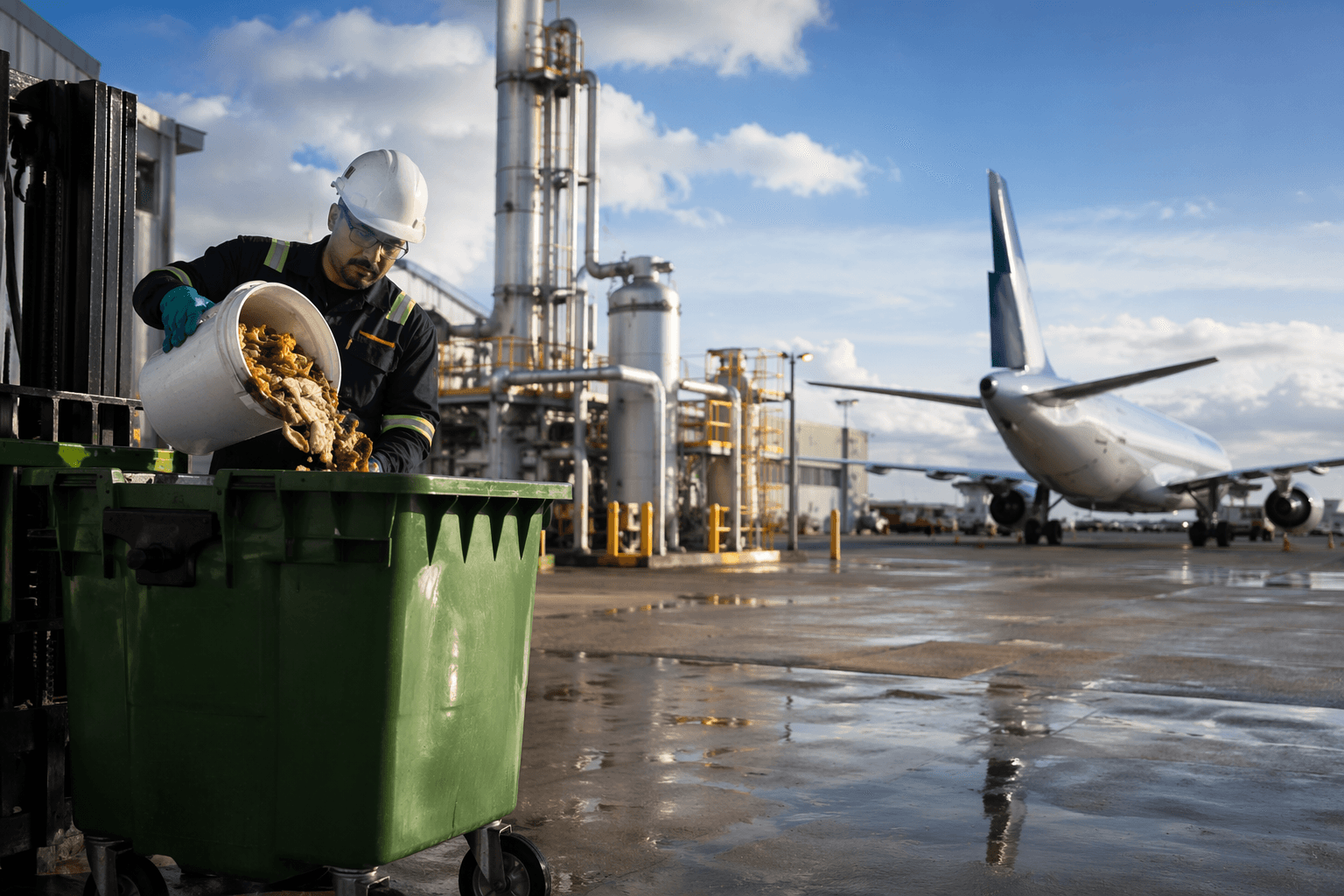
Feedstock sourcing continued to tilt toward waste-based inputs. EBB said Annex IX waste-based feedstocks now account for 55% of overall production, compared with 38% for crop-based biodiesel, while rapeseed oil remains the dominant individual feedstock in Europe. The group said that shift supports stronger greenhouse-gas savings and a more diversified feedstock mix, but it also underlines how dependent the sector remains on reliable collection systems and import channels for waste oils and fats. EBB also pointed to a new EU customs code for HVO introduced in 2025, which allows Eurostat to track HVO imports in more detail for the first time.
The report lands against a tougher investment backdrop for both biodiesel and SAF. EBB’s April 28 bioSAF policy paper argued that SAF projects require substantial upfront capital and long lead times, and said large mandate jumps, such as a move from 6% in 2030-2034 to 20% in 2035, create investability problems unless the EU adopts a smoother annual trajectory and a surplus mechanism. The European Commission has said its Sustainable Transport Investment Plan, adopted in November 2025, will need more than 20 million tonnes of renewable and low-carbon fuels and about €100 billion in market investment by 2035, underscoring the financing gap EBB says is holding back new capacity.
Xavier Noyon, EBB’s secretary general, said Europe’s energy supply vulnerabilities exposed in recent years, including recent weeks, show that energy security and climate policy cannot be treated separately. He said biodiesel production rooted in Europe supports European agriculture, waste collection systems and industrial capacity. The Commission’s February 2025 anti-dumping duties on Chinese biodiesel, set at 10% to 35.6%, were meant to protect close to 6,000 EU jobs across more than 60 producers in 18 member states, but the broader message from the market is unchanged: output is inching higher, yet the buildout cycle still lacks conviction.
This article was produced by Prism’s automated news system from verified source data, official records, and press releases, then run through automated quality and moderation checks before publishing. The system is built and supervised by the people who set the standards it runs under. Read our full AI policy.
Know something we missed? Have a correction or additional information?
Submit a Tip