German researchers turn urine and ash into fertilizer raw materials
Saarland University’s Urinash process turns urine and ash into fertilizer raw materials, aiming to supply four nutrients and bolster Germany’s fertilizer security.
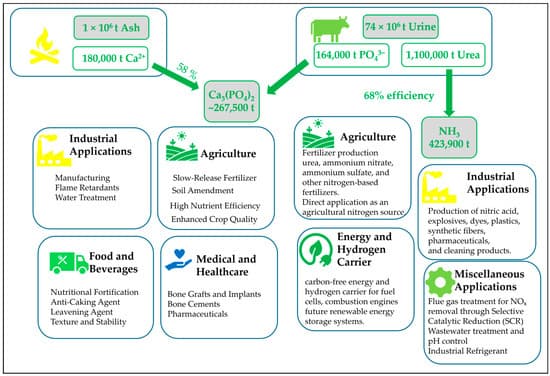
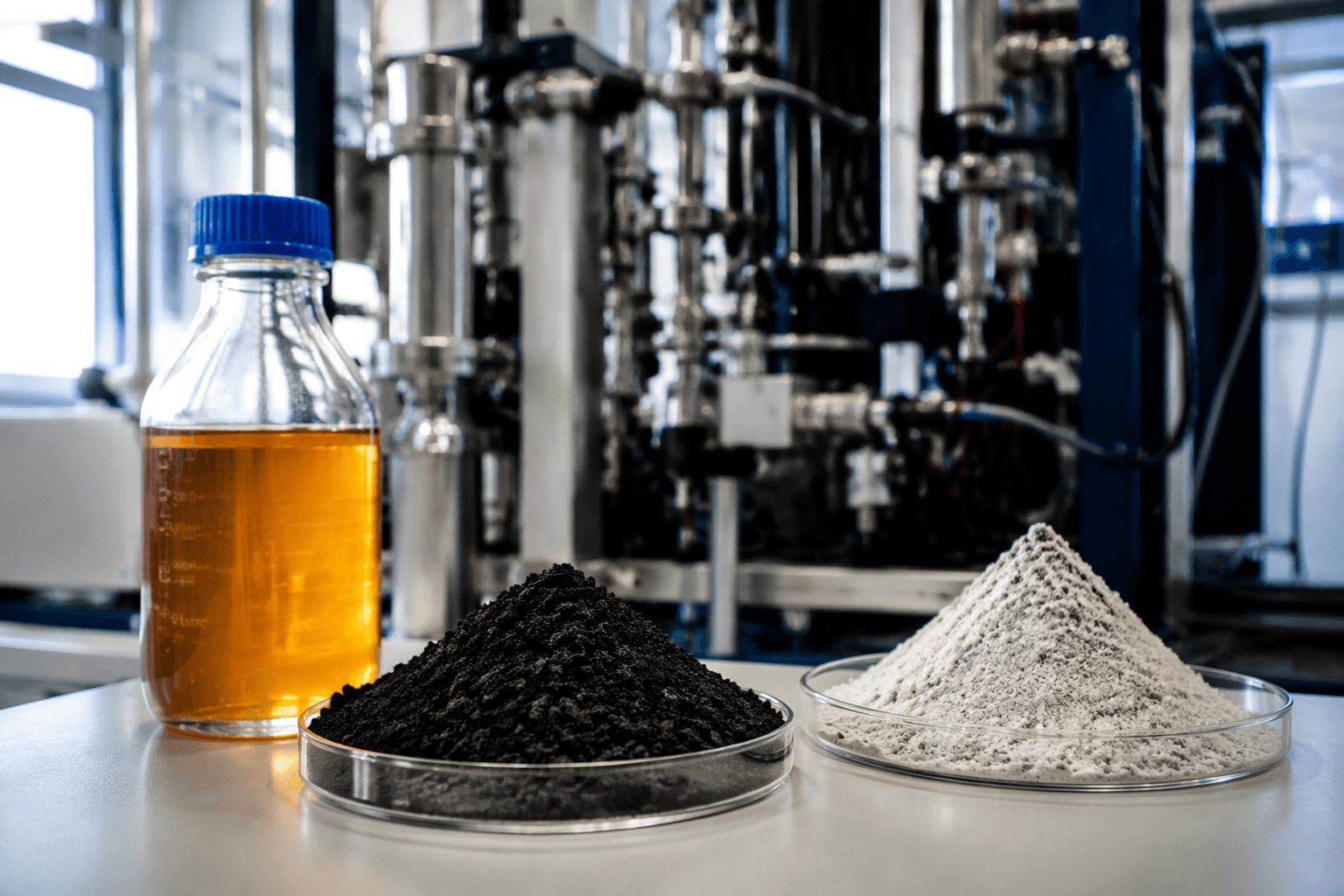
Saarland University on July 7 said its Urinash process turns urine and ash into fertilizer raw materials rich in four nutrients.
Claus Jacob, professor of bioorganic chemistry at Saarland University, led the work, which the university framed as a way to improve fertilizer security within Germany. The method is designed to recover nitrogen, phosphorous, calcium and magnesium from two readily available waste streams that are usually treated as disposal problems rather than inputs.
The university described the approach as turning urine and ash into sustainable raw materials. That places the project squarely in the nutrient-recycling lane that has been gaining attention across the circular economy, where sanitation residues and combustion byproducts can be redirected into products with agricultural use. For integrated biorefineries and waste-processing sites, the attraction is straightforward: the same residual streams that create handling costs can also be candidates for nutrient recovery.
The idea is not new in principle. ABC News on Sept. 9, 2009 said scientists in Finland found that wood ash and human urine performed just as well as more expensive mineral fertilizers for tomato crops. That work showed that the chemistry of the two waste streams could be translated into field use, not just lab theory.
The concept also surfaced in development research. CGIAR on Oct. 29, 2012 described urine fertilizer for vegetable production in a case study in Nepal and Ghana, presented at the International Conference on Fecal Sludge Management in Durban, South Africa, from Oct. 29-31, 2012. Those cases tied urine recovery to food production and to systems built around eco-toilets and other sanitation infrastructure.
Saarland University’s version adds a German industrial angle to that older research by pairing a sanitation stream with ash and by focusing on domestic fertilizer security. The result is a nutrient-recovery route that links waste handling, resource recovery and agricultural inputs in one process.
This article was produced by Prism’s automated news system from verified source data, official records, and press releases, then run through automated quality and moderation checks before publishing. The system is built and supervised by the people who set the standards it runs under. Read our full AI policy.
Did this article answer your question?