Germany researchers turn citric acid waste into compostable circuit boards
TU Bergakademie Freiberg turned Aspergillus niger waste from citric acid production into compostable circuit boards. The prototype is molded, air-dried and meant to leave no conventional e-waste.
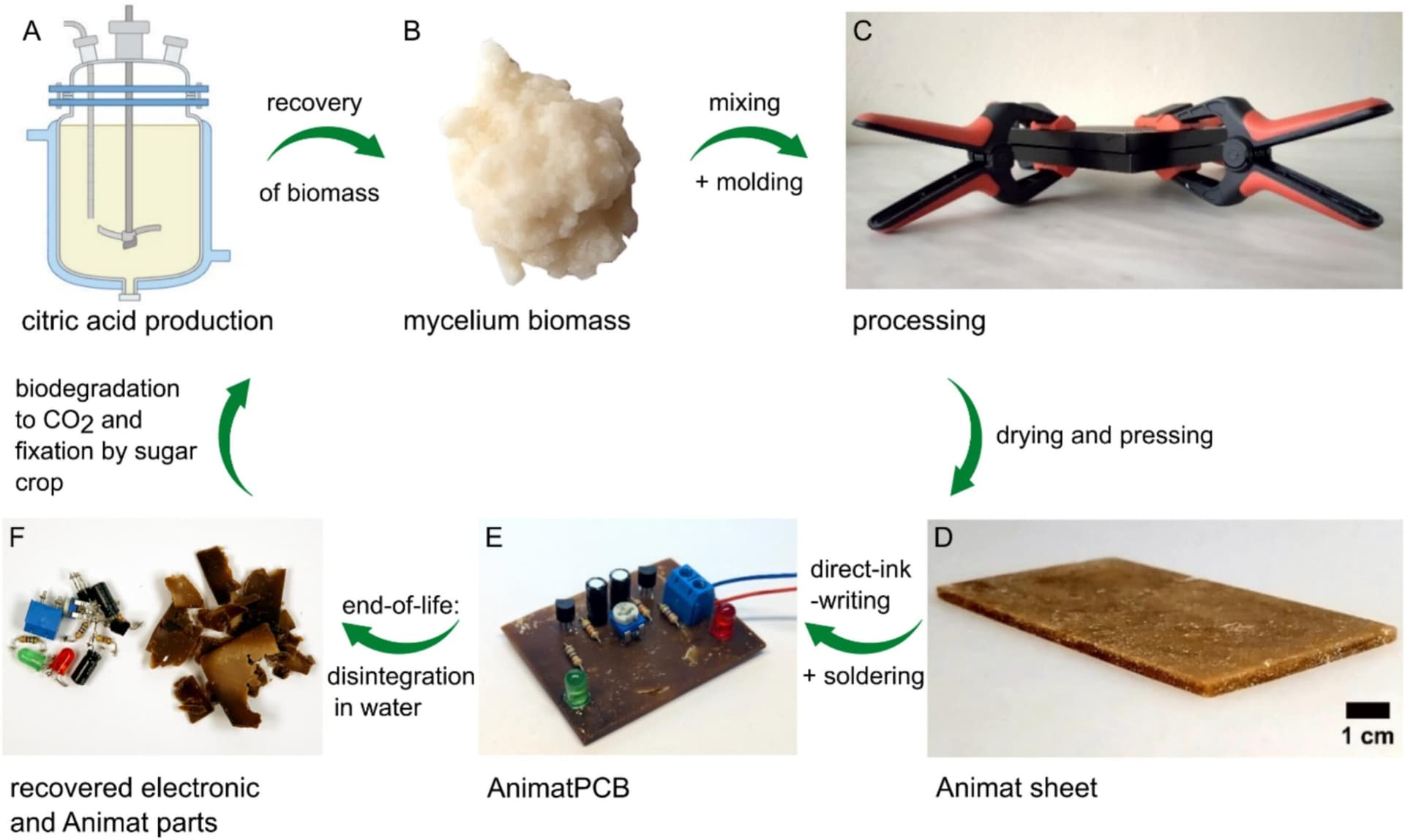
TU Bergakademie Freiberg on July 10 presented compostable circuit boards made from Aspergillus niger mycelium, a byproduct of industrial citric acid production. The prototype turns fermentation residue into a plastic-like electronics substrate.
The material is processed by molding and air-drying, then used for functional prototype circuit boards. Junior professor Linus Stegbauer showed a sample of the fungal mycelium powder after it had been dried and ground in the lab. The feedstock starts as production waste rather than a dedicated crop.
The Freiberg project uses biomass left over from the citric acid industry, where Aspergillus niger is already part of the production chain. That residue is a basis for biodegradable printed circuit boards, a route that could replace epoxy-based laminates if the material can clear the technical bar for electronics manufacturing.
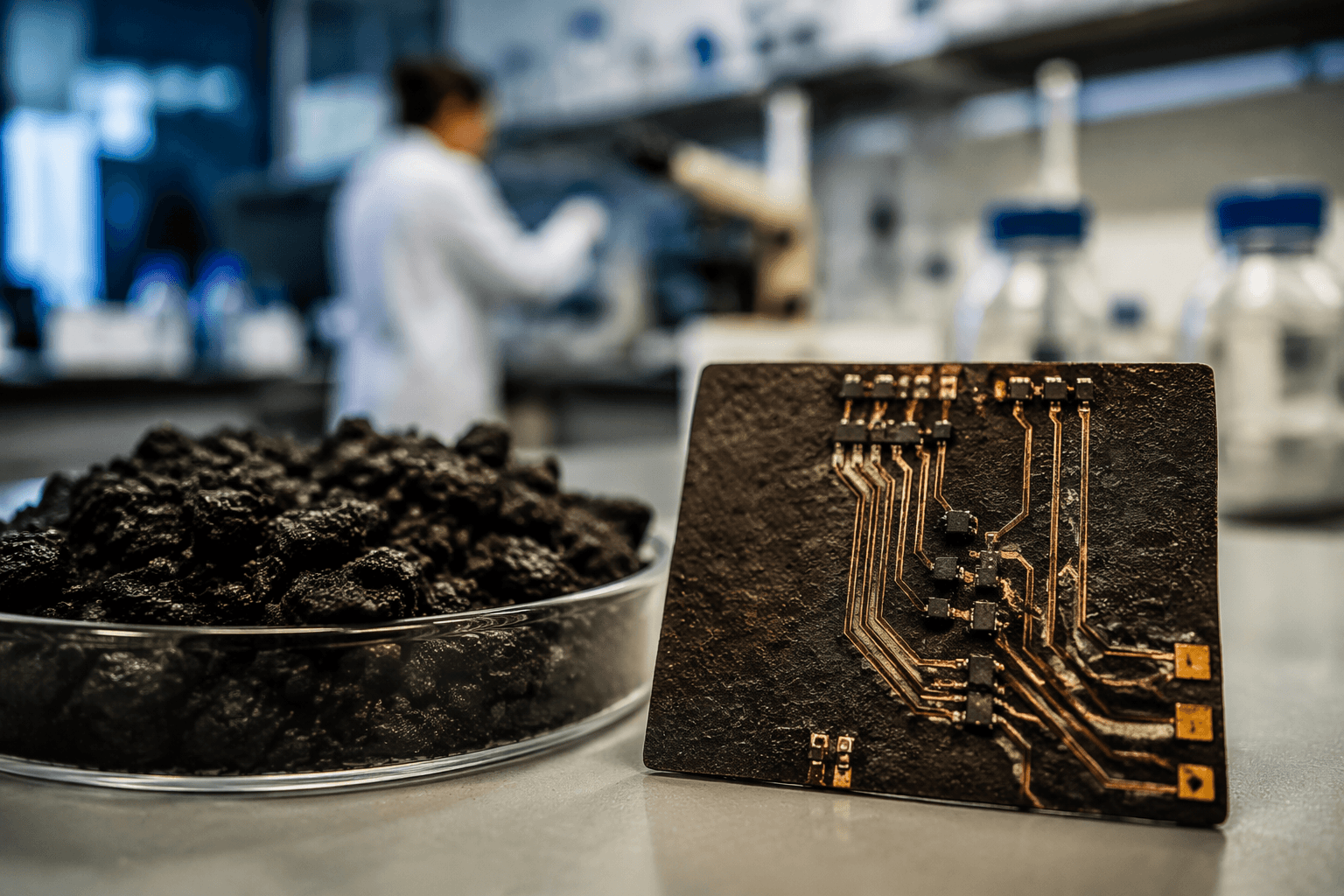
The boards can be composted after use without leaving conventional electronic waste.
For now, the result remains a functional prototype, not a commercial panel. The mycelium-based material still has to meet the electrical, thermal and mechanical demands of real circuit-board production at scale, using a process simple enough to compete with established epoxy systems.
This article was produced by Prism’s automated news system from verified source data, official records, and press releases, then run through automated quality and moderation checks before publishing. The system is built and supervised by the people who set the standards it runs under. Read our full AI policy.
Did this article answer your question?