Illinois expands biodiesel incentives to boost soybean demand
Illinois raised its biodiesel tax break to B20 on April 1, as farmers and processors chase demand for a 688 million-bushel soybean crop.
Illinois on April 1 lifted its biodiesel tax-exemption floor to B20, completing a three-step expansion meant to push more soybean oil into domestic fuel demand. Qualifying blends avoid Illinois’ 6.25% sales tax, giving retailers and fleets a direct price break for higher biodiesel content. The move capped a law Governor J.B. Pritzker signed on April 19, 2022, after sponsorship from Senator Patrick Joyce of Essex and Representative Eva Dina Delgado of Chicago.
The politics behind the incentive have shifted from emissions talk to farm economics. After the U.S.-China trade war in 2018, Illinois growers and lawmakers moved harder to support biodiesel because it created a bigger home market for soybean oil, while the U.S. Department of Agriculture Economic Research Service now expects domestic soybean crush to consume 57% of the U.S. soybean crop in 2026, more than 10 percentage points above 2017. That crush demand matters in Illinois, where soybeans are turned into meal for livestock feed and oil for fuel and industrial uses.
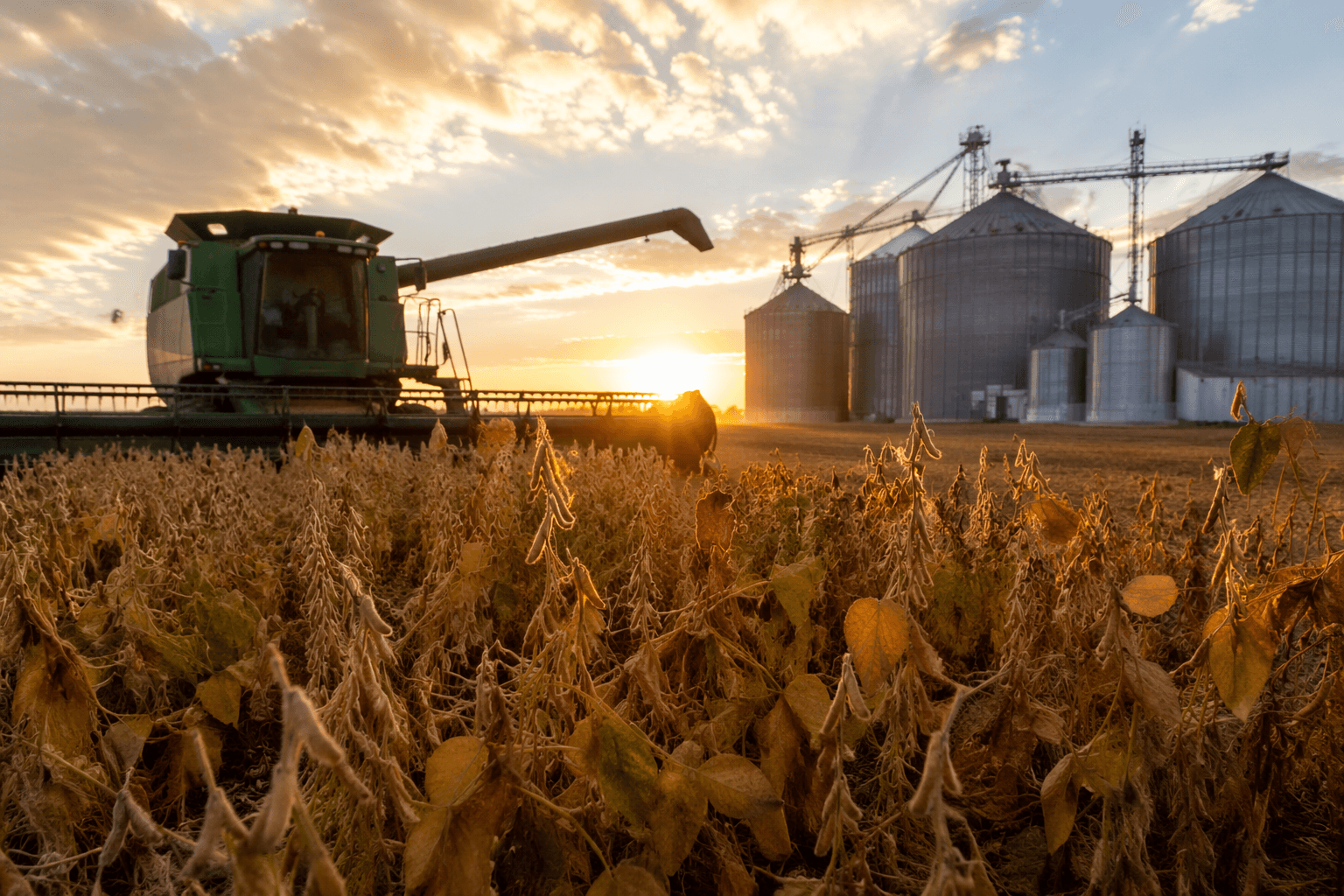
Illinois remains the nation’s largest soybean producer, and farmers harvested a record 688 million bushels in 2024, topping the 666.75 million bushels set in 2018. The statewide average yield reached 64 bushels per acre. Those volumes give crushers and biodiesel plants more raw material to work with, while also underscoring how much of the state’s farm balance sheet now runs through soybean oil rather than just whole beans.
The Illinois Soybean Association said the first phase of implementation left 97% of diesel gallons sold across the state containing at least B11 biodiesel, while half of gallons exceeded B14. Industry sources describe Illinois as a stop state, where commercial fleets deliberately refuel to reach lower-carbon diesel. That buying pattern has turned the tax break into more than a farm policy, because it also shapes where truck stops, rail operators and fleet managers choose to buy fuel.
The buildout is visible at the plant level. Incobrasa Industries in Gilman, one of four soybean processing and biodiesel manufacturing companies in Illinois, expects a construction project to roughly double production capacity by mid-June. Chevron Renewable Energy Group also operates biodiesel plants in Danville and Seneca. With B20 now eligible for the tax exemption, Illinois has tied soybean demand, blending economics and local fuel output more tightly together than at any point since the policy push began.
This article was produced by Prism’s automated news system from verified source data, official records, and press releases, then run through automated quality and moderation checks before publishing. The system is built and supervised by the people who set the standards it runs under. Read our full AI policy.
Know something we missed? Have a correction or additional information?
Submit a Tip