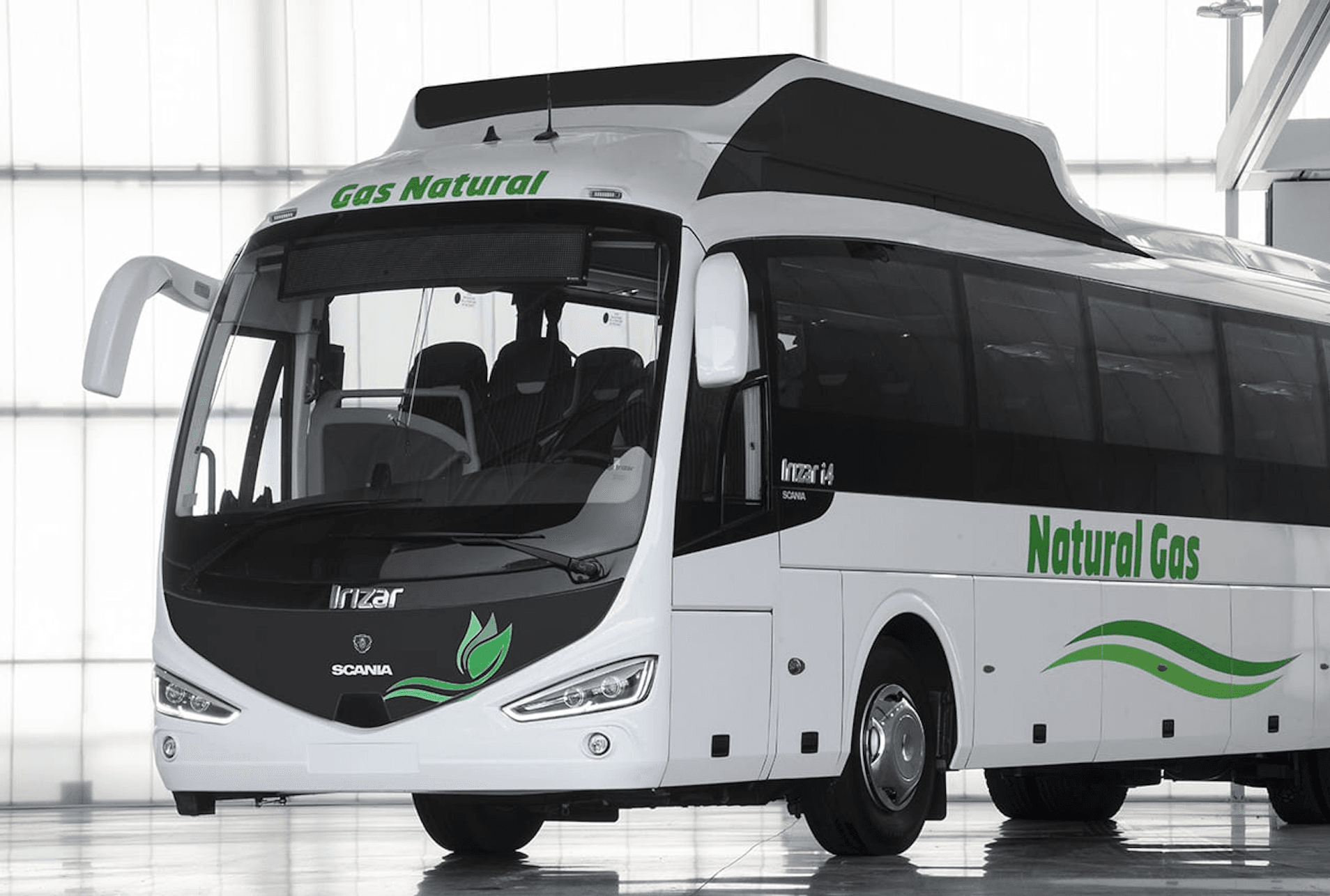
India approves E100 fuel, automakers prepare ethanol vehicle launches
India cleared E100 fuel, but the real test is whether automakers, retailers and older cars can keep up. Maruti has already launched a flex-fuel model.
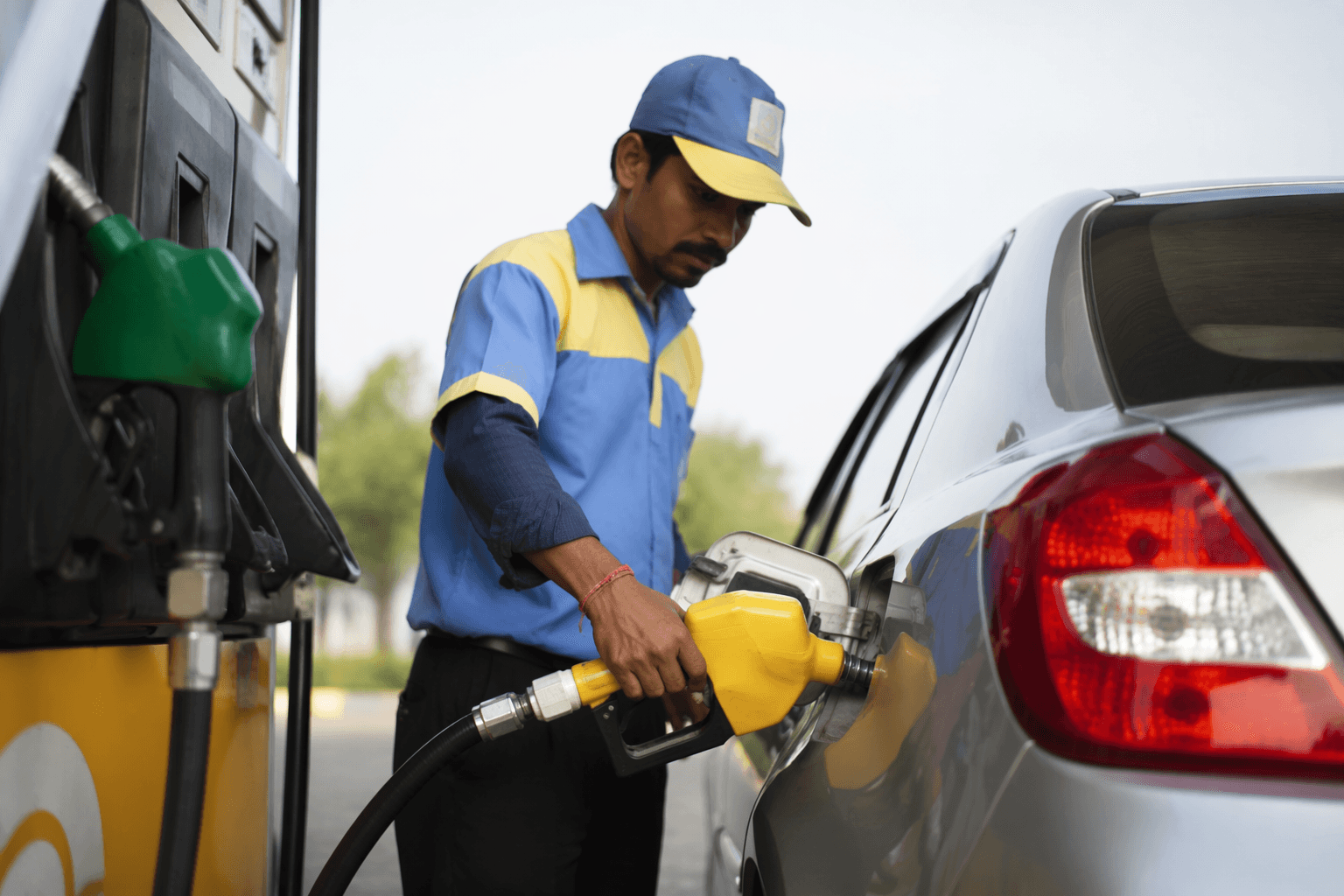
India approved a regulatory framework for 100% ethanol fuel on June 13, creating a legal path for E100 vehicles even as the market still leans on E20 and conventional petrol. The approval gives automakers, fuel retailers and testing agencies permission to build the hardware and standards needed for ethanol-only vehicles, but it does not yet guarantee broad retail availability or quick fleet turnover.
Union Minister Nitin Gadkari said he signed the file authorizing E100 on June 13, and the move extends a fuel policy that has already pushed India’s ethanol programme well beyond its original 2030 timeline. The Press Information Bureau said the National Policy on Biofuels, as amended in 2022, advanced the 20% blending target to Ethanol Supply Year 2025-26 from 2030, while Akashvani News reported India reached 20% ethanol blending in petrol in 2025, five years early.
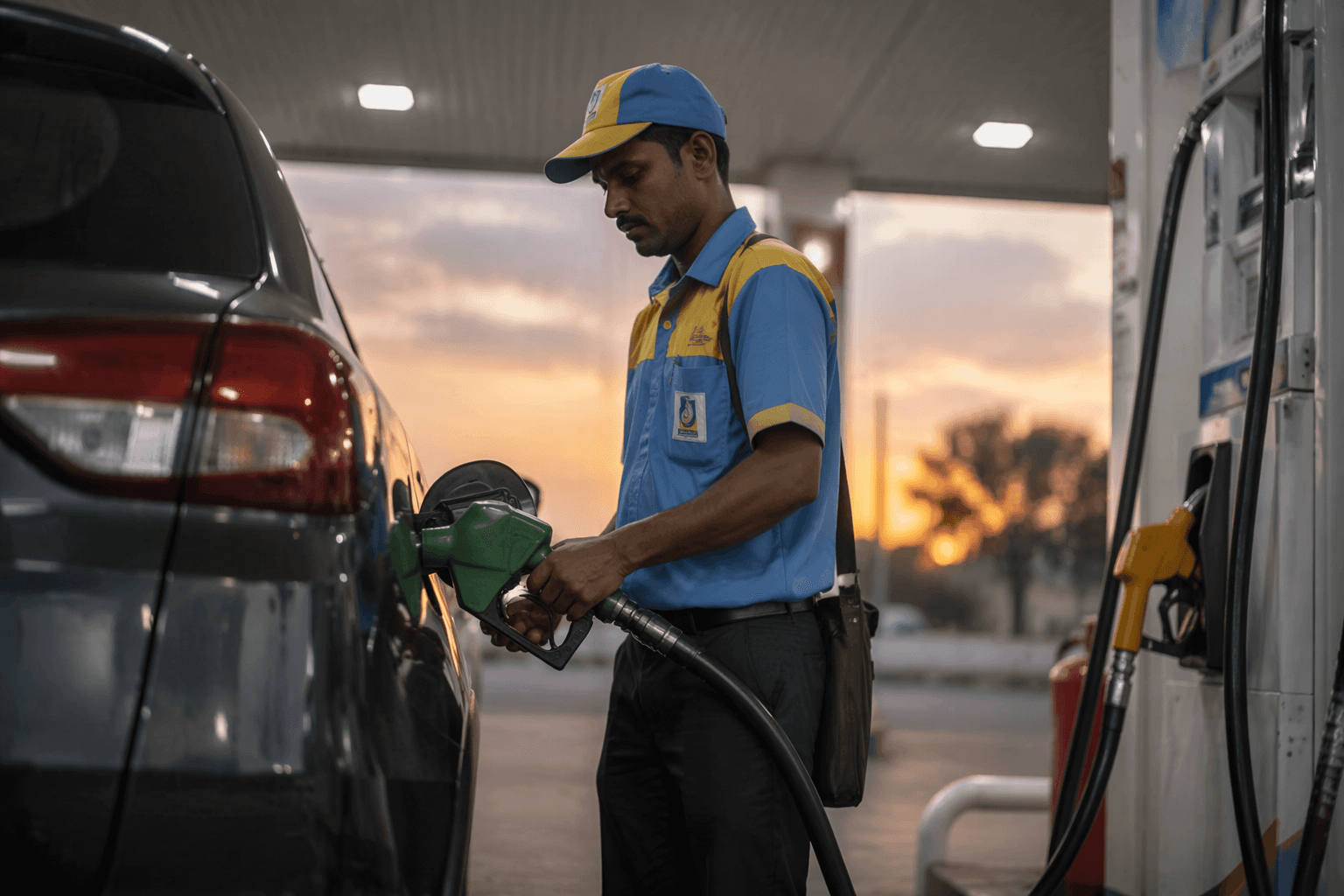
Maruti Suzuki India Limited moved first on the vehicle side, launching India’s first flex-fuel car on June 4, 2026, in the presence of Gadkari and Petroleum Minister Hardeep Singh Puri. Toyota, Suzuki, Hyundai and MG are expected to bring E100-compatible models in the coming months, but the rollout will still depend on whether buyers can find cars calibrated for ethanol and stations willing to sell the fuel at scale.
The government has also been laying groundwork for higher blends beyond E20. The Bureau of Indian Standards notified specifications for E22, E25, E27 and E30 in 2026, and the government exempted petrol blended with 22% to 30% ethanol from excise duty in June 2026. Those steps point to a broader fuel transition, but they also sharpen the implementation gap between approvals in New Delhi and day-to-day use across India’s vehicle parc.
That gap is the central market issue. India imports about 85% of its oil, so the ethanol push is being framed as a way to cut the crude bill and support farm incomes. But the policy still has to work around millions of older vehicles, mileage concerns, retail distribution limits and a supply chain that could pull more maize, rice and sugarcane into fuel markets, raising pressure on water use and food security. E100 is now legal; the next test is whether compatible vehicles, fuel standards and retail pricing arrive fast enough to make it practical.
This article was produced by Prism’s automated news system from verified source data, official records, and press releases, then run through automated quality and moderation checks before publishing. The system is built and supervised by the people who set the standards it runs under. Read our full AI policy.
Know something we missed? Have a correction or additional information?
Submit a Tip