India’s E20 ethanol blend offers Europe a biofuels lesson
India hit 20% ethanol blending in 2025, and Europe can borrow the deadline discipline, not the fleet assumptions, behind that rollout.
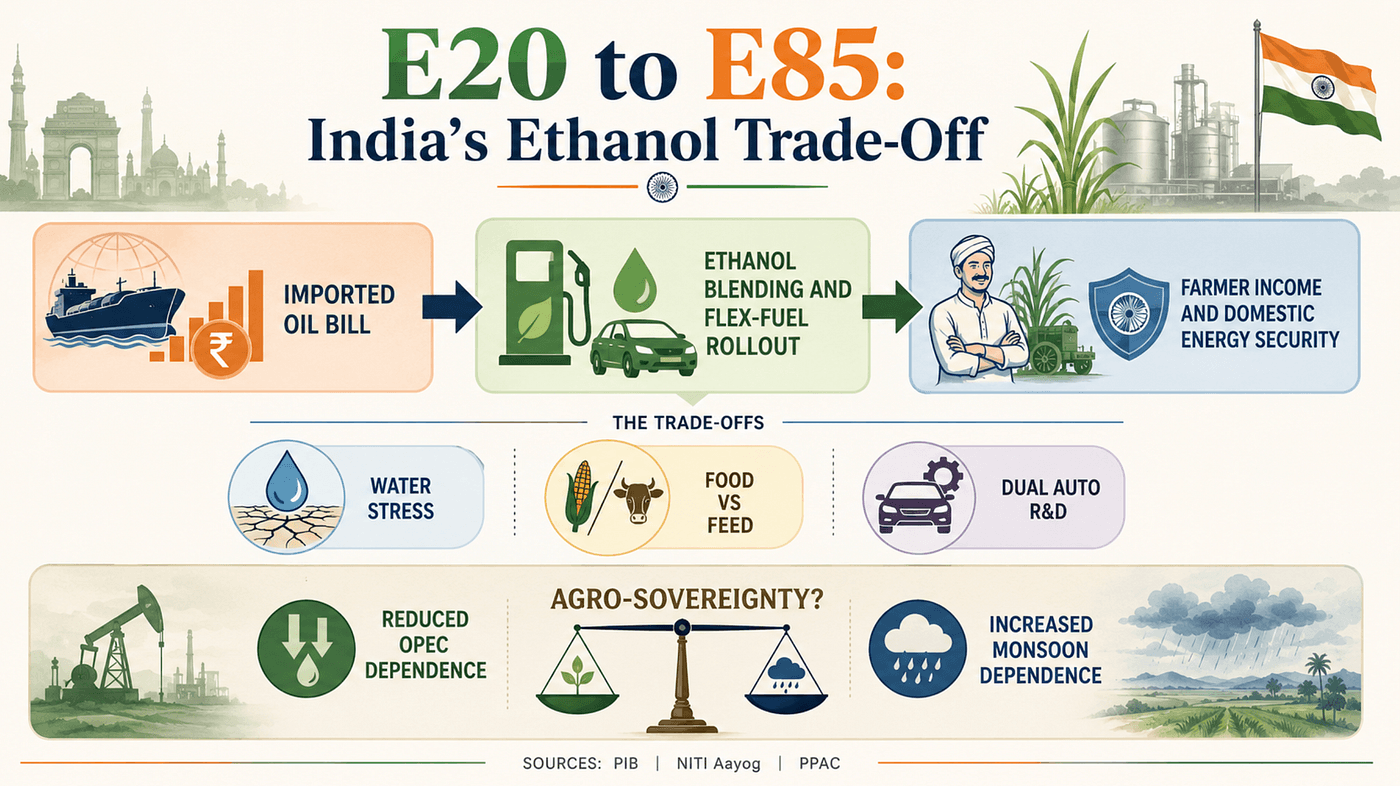
India reached 20% ethanol blending in petrol in 2025, five years ahead of its original 2030 target, after the government pulled the deadline forward in June 2021. Europe can take that as a policy-transfer test: hard deadlines and explicit import-cost framing can move markets, but consumer acceptance and vehicle compatibility still set the limits.
A target moved because the import bill was named
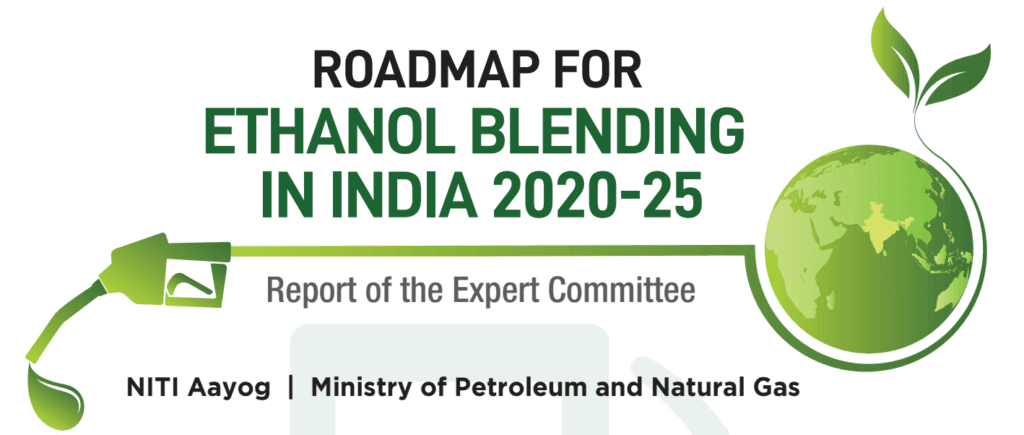
NITI Aayog and the Ministry of Petroleum and Natural Gas published their Roadmap for Ethanol Blending in India 2020-25 in June 2021, and the document pushed the 20% goal from 2030 to 2025. The roadmap, authored by Rakesh Sarwal, Sunil Kumar, Amit Mehta, Amit Varadan, Subodh Kumar Singh, S.S.V. Ramakumar and Reji Mathai, said India’s net petroleum import was 185 Mt at a cost of US$55 billion. On 2 June 2021, the roadmap tied the blend mandate directly to the oil-import bill.
The policy did not rest on an abstract climate promise alone; it sat on top of a quantified import exposure and a dated roadmap with named authors.
Hitting E20 early was the point
The government’s decision to bring the deadline forward in June 2021 compressed the industry’s timetable and signaled that the blend wall was not a distant aspiration. In market terms, the number that counted was not just 20%, but the fact that policymakers moved the endpoint forward by two years and then held it.
A firm target changes procurement, blending and distribution behavior only when the deadline is close enough to force action, and India made that move early enough to keep the target in sight. What does not travel automatically is the assumption that a similar mandate would land the same way across Europe’s fuel markets, where vehicle fleets, politics and feedstock choices differ sharply from India’s.

Consumer acceptance turned into a second policy file
Some vehicle owners worried about mileage and engine health, and the Ministry of Petroleum and Natural Gas issued a detailed response on 4 August 2025 to concerns about E20 mileage and vehicle life. In that response, the ministry said biofuels and natural gas are bridge fuels in India’s transition, showing how quickly a blending target becomes a communications problem when drivers start questioning what the policy does to their cars.
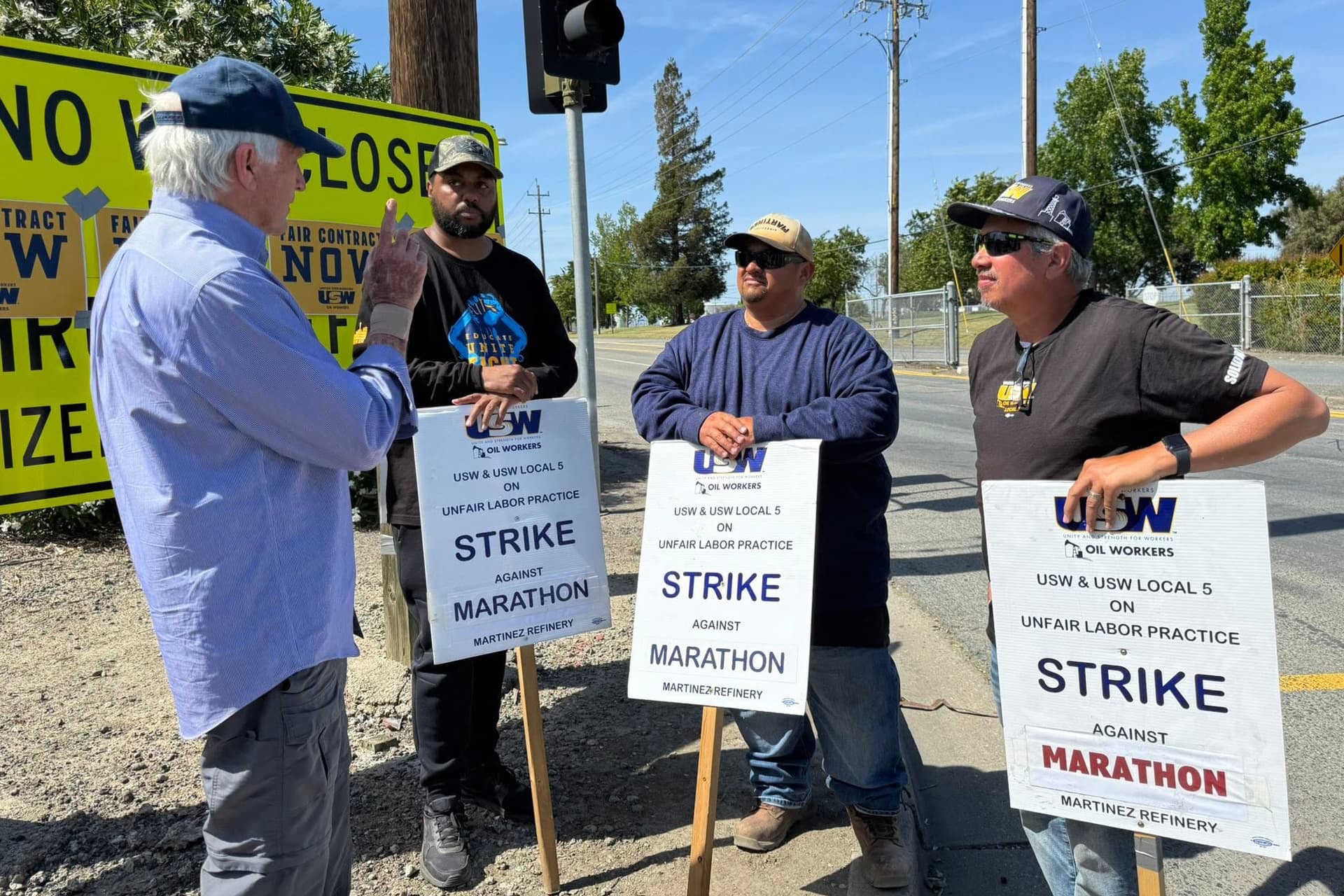
By 29 August 2025, the push was triggering driver backlash and leaving carmakers scrambling. Europe can copy the sequencing, not the assumption behind it: if the market is going to hear only the mandate and not the explanation, mileage complaints will set the tone. India’s experience shows that blend policy needs a consumer-facing response once the fuel is already on sale.
The legal test gave the rollout durability
On 1 September 2025, India’s top court dismissed a challenge to the government’s rollout of 20% ethanol-blended fuel. The ruling came after the target was accelerated and after the backlash was already visible.
This article was produced by Prism’s automated news system from verified source data, official records, and press releases, then run through automated quality and moderation checks before publishing. The system is built and supervised by the people who set the standards it runs under. Read our full AI policy.
Did this article answer your question?